How to Transplant Mango tree?
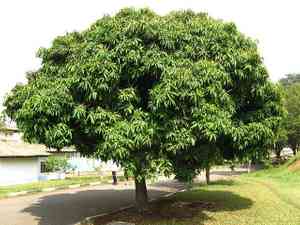
The optimal period for relocating a mango tree is within the pleasant warmth of late spring through early summer. This timing enables the tree to become well-rooted prior to the colder months. Select a brightly lit spot featuring soil that drains effectively, and arrange the transplanted trees judiciously to avoid excessive density. Bear in mind, a flourishing mango tree contributes to a vibrant environment!
What Preparations are Needed Before Transplanting Mango Tree?
What is the Ideal Time for Transplanting Mango Tree?
The optimal period to move mango tree is late spring or early summer. This timeframe allows the young plant to acclimate more easily to its new environment. Relocating mango tree during this season maximizes its growth potential due to favorable weather. This practice promotes optimal root development and overall health for mango tree in its new setting.
How Much Space Should You Leave Between Mango Tree Plants?
When relocating mango tree, provide ample room for each plant to develop. Position them approximately 25-30 feet (7.6-9.1 meters) apartâthis ensures they can extend their branches without competing for nutrients or sunlight.
What is the Best Soil Mix for Mango Tree Transplanting?
For mango tree, well-draining, loamy soil is ideal. Incorporate a generous amount of organic material, such as compost or aged manure, to create a nutrient-rich foundation. Also, apply the recommended dosage of slow-release granular fertilizer before planting.
Where Should You Relocate Your Mango Tree?
Select a transplanting site that receives at least 6 hours of direct sunlight daily for your mango tree. This will help them grow strong and produce abundant, delicious fruit. Rest assured, with the correct location and care, your tree will flourish!
What Equipments Should You Prepare Before Transplantation Mango Tree?
Shovel or Garden Spade
You will use this tool to excavate the mango tree from its current spot and to prepare the new planting hole for transplantation.
Gardening Gloves
To safeguard your hands from dirt, thorns, and potential pests, and to provide a firmer grip.
Wheelbarrow
To transport the mango tree from its original location to its new site.
Watering Can or Garden Hose
To hydrate the tree both before removal (to facilitate the process) and after transplanting (to aid in establishment).â,
How Do You Remove Mango Tree from the Soil?
How Do You Remove Mango Tree from the Soil?
From Ground: First, thoroughly water the mango tree to loosen the surrounding soil. Begin digging a wide circle (about 2 feet from the trunk) around the tree with a shovel or garden spade, ensuring to go deep enough to preserve the main root system. Once the soil is loosened all around, carefully work the shovel or spade beneath the root ball and lift the tree from its spot.From Pot: Water the mango tree thoroughly a few hours prior to transplanting. The aim is to moisten the soil so the root ball can be easily removed. Gently tilt the pot sideways and lightly tap its sides. The soil and root mass should then slide out cleanly. If the roots appear tightly coiled around the root ball, try gently separating them before transplanting.From Seedling Tray: Mango tree seedlings should be handled with care to prevent damage to their delicate roots. Use a transplanting tool or your fingers to gently lift the seedling from its tray by holding the leaves or the root ball, not the stem.
Step-by-Step Guide for Transplanting Mango Tree
Hole Preparation
Excavate a hole twice as wide and equally as deep as the mango tree root ball. If the soil is overly compacted, consider loosening it slightly at the bottom and sides of the hole to facilitate root expansion into its new environment.
Positioning
Place the mango tree in the center of the hole. The top of the root ball should be level with the ground surface.
Back-filling
Utilize the soil previously removed to back-fill the hole. Lightly tamp the soil around the base to keep the tree upright.
Watering
Water the mango tree generously immediately after transplanting. This will help the soil settle around the roots and minimize transplant shock.
How Do You Care For Mango Tree After Transplanting?
Mulching
Apply mulch around the base of the mango tree. This will help retain moisture and inhibit weed growth. Ensure the mulch does not touch the tree's trunk to prevent rot.
Pruning
You may prune the mango tree to balance the root-to-foliage ratio. Remove any damaged or dead branches.
Watering Schedule
After the initial watering at the time of transplant, thoroughly water the mango tree every other day for the first week, then reduce to once a week. Be careful to ensure the soil is moist but not waterlogged.
Monitoring
Observe the mango tree's growth. Yellow leaves might indicate stress from the relocation. If the tree does not appear to be establishing well, consult a local nursery or extension service.
Troubleshooting Common Issues with Mango Tree Transplantation.
What is the optimal time of year for transplanting mango tree?
The ideal period for relocating mango tree is a prime window between late spring and early summer.
Why is there wilting on my transplanted mango tree?
This could be due to root shock from the transplant process. Ensure adequate hydration and reduce sun exposure until it stabilizes.
How much spacing do I need between each mango tree when transplanting?
For healthy development, maintain a distance of 25-30 feet (7.6-9.1 meters) between each mango tree, allowing ample space for growth.
What is a common symptom if I overwater my mango tree post-transplant?
Excessive watering can lead to yellowing leaves. A good indicator is to water when the top 1-2 inches (2.5-5 cm) of soil are dry.
Why is it vital to prepare the hole before transplanting mango tree?
A pre-dug hole ensures a swift transfer, minimizing root exposure time. This enhances the mango tree's chances of thriving after transplant.
What are the ideal soil conditions for transplanting mango tree?
Mango tree prefers well-drained, fertile soil rich in organic matter. The soil pH should be slightly acidic to neutral (5.5-7.5).
My mango tree leaves are curling after transplant. What might be the problem?
Curling leaves can signal a lack of nutrients or water stress. Review the watering and fertilization schedule to correct the issue.
Can I prune my mango tree during transplanting?
Pruning is generally not required during transplanting. However, removing any dead or unhealthy branches can benefit the mango tree's overall health.
My mango tree hasn't produced any fruit after transplanting. Why is that?
Fruiting can take 3-5 years post-transplant. Ensure it receives proper nutrients and care, and exercise patience.
My mango tree's leaves are losing color after transplant, why?
This could indicate insufficient sunlight or a nutrient deficiency. Ensure the mango tree gets 6-8 hours of daily sunlight and appropriate nutrients.



