How to Transplant Spiny pincushion cactus?
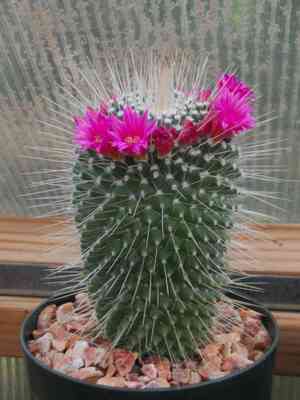
The optimal period for relocating spiny pincushion cactus is in the warmer part of early to mid-summer, enabling the plant to adjust and establish its roots effectively. Verify that the chosen spot offers good drainage and ample sun exposure. Exercise caution during the transfer process to prevent harm to the spines.
What Preparations are Needed Before Transplanting Spiny Pincushion Cactus?
What is the Ideal Time for Transplanting Spiny Pincushion Cactus?
Ideally, spiny pincushion cactus should be moved during the warm period of early or mid-summer. The warmth supports root development. Relocating at this time promotes growth and minimizes plant shock. Remember, thorough preparation for the move is essential!
How Much Space Should You Leave Between Spiny Pincushion Cactus Plants?
For transplanting spiny pincushion cactus, I suggest a spacing of approximately 6-12 inches (15-30 cm) apart. This provides your beautiful little cactus ample room to grow and thrive without competing for vital nutrients.
What is the Best Soil Mix for Spiny Pincushion Cactus Transplanting?
To prepare the soil for spiny pincushion cactus, a well-draining soil blend is best. Combine equal parts cactus mix, pumice, and perlite to create the perfect base. Incorporate a slow-release fertilizer to supply essential nutrients for your cactus.
Where Should You Relocate Your Spiny Pincushion Cactus?
Find a sunny location for your spiny pincushion cactus where it can receive at least 6-8 hours of sunlight daily. An indoor south-facing windowsill or a protected outdoor spot would be excellent choices.
What Equipments Should You Prepare Before Transplantation Spiny Pincushion Cactus?
Gardening Gloves
To safeguard your hands while handling soil and the plant.
Hand Trowel
To gently extract the spiny pincushion cactus from its original spot and for excavating the new planting hole.
Shovel or Spade
To prepare the planting area and assist in lifting the plant if it's already in the ground.
Pruner
To trim any damaged or unhealthy roots or stems prior to transplanting.
Measuring Tape
To ensure correct spacing between plants.
Watering Can or Hose
To hydrate the plant both before and after relocation.
How Do You Remove Spiny Pincushion Cactus from the Soil?
How Do You Remove Spiny Pincushion Cactus from the Soil?
From Ground: First, water the spiny pincushion cactus plant to moisten the soil. Next, dig a wide trench around the plant using a shovel or spade, ensuring the plant's root ball remains intact. Carefully work the spade beneath the root ball to lift the plant from its initial location.From Pot: Water the spiny pincushion cactus thoroughly so the soil is damp. Turn the pot sideways and gently tap its sides to loosen the root ball. Place your hand over the soil surface with your fingers around the plant's base, then carefully lift the plant out of the pot.From Seedling Tray: Water the seedlings and allow excess water to drain. Use a hand trowel or spoon to loosen the soil around the spiny pincushion cactus plant, taking care not to harm the roots. Gently lift the seedling from the tray, holding it by the root ball or its leaves, being careful not to squeeze the stem.
Step-by-Step Guide for Transplanting Spiny Pincushion Cactus
Site Preparation
Dig a hole slightly larger than the root ball, and incorporate some compost or aged manure into the bottom of the hole to provide nutrients.
Root Preparation
Examine the root ball and trim any damaged, dead, or tangled roots using a pruner. This encourages new root growth after transplanting.
Placing the Plant
Carefully lower the spiny pincushion cactus plant into the hole, positioning it so that the base of the stem is flush with the soil level. The plant should be upright and centered in the hole.
Backfilling
Gently fill in the hole with soil, ensuring the root ball is covered and no air pockets are trapped around the roots. Lightly firm the soil around the plant's base to secure it in place.
Watering
Water the spiny pincushion cactus plant thoroughly to settle the soil around the root ball. A deep watering ensures the roots have access to sufficient moisture.
How Do You Care For Spiny Pincushion Cactus After Transplanting?
Watering
Keep the soil around the spiny pincushion cactus consistently moist, but not waterlogged, for the initial few weeks after transplanting to help establish strong roots.
Mulching
Apply a layer of organic mulch, such as wood chips or straw, around the base of the spiny pincushion cactus to help retain moisture and regulate soil temperature.
Monitoring
Keep a close watch on the spiny pincushion cactus for signs of stress, such as wilting or yellowing leaves. This may indicate a need for adjustments in watering or sunlight exposure.
Fertilizing
Wait at least a month before fertilizing the spiny pincushion cactus to prevent 'transplant shock'. Use a balanced, slow-release fertilizer according to package instructions.
Troubleshooting Common Issues with Spiny Pincushion Cactus Transplantation.
When is the best time to transplant spiny pincushion cactus?
The optimal period for transplanting spiny pincushion cactus is during early to mid-summer. This is when its growth is most vigorous.
How much space should I leave between each spiny pincushion cactus while transplanting?
Ensuring adequate spacing is vital for spiny pincushion cactus's development. Ideally, maintain a gap of 6-12 inches (15-30 cm) between each plant.
Why is my transplanted spiny pincushion cactus wilting?
Spiny pincushion cactus may wilt due to transplant shock, insufficient hydration, or excessive sun exposure. Ensure balanced watering and place it in an area with filtered sunlight.
What kind of soil should I use to transplant spiny pincushion cactus?
Spiny pincushion cactus thrives in a well-draining soil type. A cactus mix or a blend of regular potting soil and sharp sand or fine grit is appropriate.
Can I transplant spiny pincushion cactus in a pot without drainage holes?
It's not advisable. Spiny pincushion cactus requires well-drained soil to prevent root rot. Pots lacking drainage holes can retain too much water.
How soon should I water spiny pincushion cactus after transplanting?
Delay watering newly transplanted spiny pincushion cactus for a few days to allow the roots to acclimate and recover from any transplant damage.
How do I handle spiny pincushion cactus while transplanting to avoid prickling?
Wear thick gloves or wrap the spiny pincushion cactus in several layers of newspaper when handling it. This will shield your hands from the spines.
What's the ideal pot size for transplanting spiny pincushion cactus?
Select a pot that is slightly larger than the root ball of spiny pincushion cactus. A pot that is too large may retain excess water and lead to root problems.
How deep should I plant spiny pincushion cactus during transplanting?
The spiny pincushion cactus should be planted at the same depth it was in its previous container. The top of the root ball should be level with the soil surface.
Why are the lower spines of my transplanted spiny pincushion cactus turning yellow?
Yellowing spines could indicate overwatering. Ensure your spiny pincushion cactus isn't sitting in water, and allow the soil to dry completely between waterings.



