How to Transplant Texas nipple cactus?
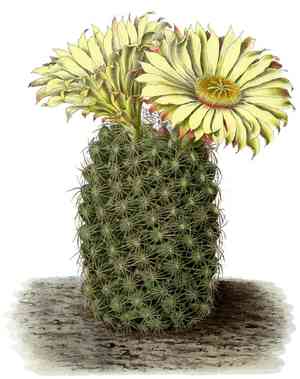
The gentle period from late spring to mid-summer offers the perfect opportunity for relocating texas nipple cactus, as these months facilitate root development. Choose a location that provides ample, filtered illumination and soil that drains effectively. Partial shade during the peak heat of the day is crucial for optimal growth.
What Preparations are Needed Before Transplanting Texas Nipple Cactus?
What is the Ideal Time for Transplanting Texas Nipple Cactus?
The optimal period for relocating texas nipple cactus is the vibrant start of Late spring to Mid summer. This timeframe provides suitable temperatures for root development without the intense summer heat. Moving texas nipple cactus during these months ensures a smooth transition, allowing the plant to flourish in its new spot. This timing utilizes nature's growth cycle, giving your texas nipple cactus the best beginning in its fresh surroundings.
How Much Space Should You Leave Between Texas Nipple Cactus Plants?
For transplanting texas nipple cactus, maintain an optimal distance of 1-2 feet (30.48 to 60.96 cm) between each specimen. This provides ample room for growth without competition for resources. Even if they appear small now, they will appreciate the space later!
What is the Best Soil Mix for Texas Nipple Cactus Transplanting?
Your texas nipple cactus thrives in well-drained soil, ideally sandy or loamy. Prepare your soil with a balanced base fertilizer, such as a 10-10-10 blend, which will supply all necessary nutrients. Remember, preparation is crucial for happy, thriving plants!
Where Should You Relocate Your Texas Nipple Cactus?
For successful growth, place your texas nipple cactus in a location abundant with sunlight. They prefer full sun to partial shade. If possible, choose a spot that receives ample morning sun and some afternoon shade.
What Equipments Should You Prepare Before Transplantation Texas Nipple Cactus?
Trowel
For excavating appropriate holes at the new planting site.
Gardening Gloves
To safeguard your hands while handling soil and the texas nipple cactus plant.
Bucket or Pot
To move texas nipple cactus from its original spot to its new home.
Garden Spade or Shovel
Especially useful if the plant is currently in the ground, to assist in digging it up without harming the roots.
Watering Can
Essential for hydrating the plant both prior to and following transplantation.
How Do You Remove Texas Nipple Cactus from the Soil?
How Do You Remove Texas Nipple Cactus from the Soil?
From Ground: First, irrigate the texas nipple cactus plant to moisten the soil. This will facilitate easier removal of the plant without damaging its roots. Then, using a trowel or spade, dig around the base of the plant, being careful not to sever its roots. Gently lift the plant from the ground and place it in a bucket or pot for transport.From Pot: Similar to ground removal, begin by watering the texas nipple cactus and allowing it to soak for a few minutes. Then, tilt the pot sideways and carefully ease the plant out. Avoid pulling on the plant, as this could cause damage.From Seedling Tray: If the texas nipple cactus is still a seedling, start by watering the tray. Then, using a small spade or fork, gently lift the seedling, including its root system and soil, from the tray.
Step-by-Step Guide for Transplanting Texas Nipple Cactus
Preparation
Inspect the texas nipple cactus for any indications of disease or pests before commencing transplantation. If any are found, address these issues first. Then, water the plant thoroughly.
Equipment Gathering
Collect all your tools at the transplanting location. This includes the trowel, gloves, bucket or pot, garden spade or shovel, and watering can.
Plant Removal
Follow the removal procedure outlined above that corresponds to your current situation.
Hole Digging
Use the trowel to excavate a hole in the new location that is twice the width and the same depth as the root ball of the texas nipple cactus.
Transplanting
Position the texas nipple cactus in the hole, ensuring it is not deeper than it was in its original spot. Backfill the hole with soil, pressing down gently to eliminate any air pockets.
Watering
Use the watering can to hydrate the texas nipple cactus, thoroughly soaking the soil but being careful not to drench the plant.
How Do You Care For Texas Nipple Cactus After Transplanting?
Watering
For the initial week or so after transplantation, water the texas nipple cactus regularly to prevent the soil from drying out. This aids in root establishment.
Monitoring
Keep a close watch on the texas nipple cactus to ensure it adapts well to its new surroundings. Look for any signs of stress such as wilting or discoloration.
Pruning
If the texas nipple cactus exhibits signs of unsuccessful transplantation in certain areas, such as brown or yellow leaves, trim these parts off to allow the plant to direct its energy towards new growth.
Feeding
After approximately one month, begin feeding the texas nipple cactus with a balanced fertilizer to promote healthy growth.
Troubleshooting Common Issues with Texas Nipple Cactus Transplantation.
When is the best time of the year to transplant texas nipple cactus?
The ideal time to relocate texas nipple cactus is late summer to early autumn (S3-S5). This provides the plant ample opportunity to establish itself before winter.
How much space should I leave between each texas nipple cactus I transplant?
Appropriate spacing for texas nipple cactus is about 1-2 feet (30-60 cm). This allows each plant sufficient room to grow and thrive properly.
Why are the leaves of my transplanted texas nipple cactus turning yellow?
Yellowing foliage could indicate excessive watering or inadequate drainage. Ensure texas nipple cactus is planted in well-drained soil and water only when the soil feels dry to the touch.
What kind of soil does texas nipple cactus need when transplanting?
Texas nipple cactus flourishes best in well-draining soil, rich in organic matter. A suitable cactus mix with some coarse sand or perlite is often perfect.
How deep should I plant texas nipple cactus when transplanting?
Aim to plant texas nipple cactus at a depth equivalent to its previous pot. The surface roots should be level with the surrounding soil. Please, avoid planting it too deeply.
Why has my recently transplanted texas nipple cactus stopped growing?
A halt in growth is not uncommon after transplanting. Texas nipple cactus may be prioritizing resources for root establishment. Provide proper care and time for it to adjust.
How to water texas nipple cactus properly after transplanting?
Water sparingly after relocating texas nipple cactus. Wait until the top inch (2.5 cm) of soil is dry before re-watering. Avoid overwatering to prevent root rot.
What should I do if the roots of my texas nipple cactus are rotting after transplanting?
Overwatering or poor drainage can lead to root rot. Repot texas nipple cactus using fresh, well-draining soil and reduce irrigation. If severe, trim away rotted roots.
Should I fertilize texas nipple cactus after transplanting, and if so, what kind?
Allow texas nipple cactus to acclimate to its new location before applying fertilizer. When ready, use a low-nitrogen cactus blend. Over-fertilizing can harm the plant, so adhere strictly to package instructions.
How do I acclimate my texas nipple cactus to a new location after transplanting?
Initially place texas nipple cactus in a partially shaded spot, gradually increasing light exposure over several weeks. This helps the plant adjust to its new environment without shock.



