How to Transplant Chinese mallow?
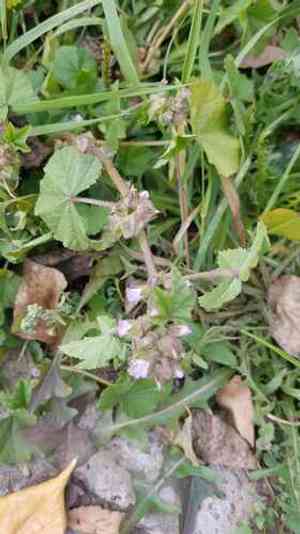
The optimal period for transplanting chinese mallow spans from early to mid-spring, leveraging the moderate climate and ground conditions conducive to root development. Choose a location bathed in sunlight with soil that drains effectively, facilitating a seamless shift for vigorous development.
What Preparations are Needed Before Transplanting Chinese Mallow?
What is the Ideal Time for Transplanting Chinese Mallow?
The period from the departure of frost to the emergence of early blossomsâtypically early to mid-springâis optimal for relocating chinese mallow. Moving chinese mallow during this window benefits from cooler temperatures, which are gentle on young plants, minimizing stress and moisture loss. This timing also allows chinese mallow's root system to establish before summer heat, promoting robust development. Transplanting chinese mallow then aligns with its natural growth cycle, leading to a flourishing presence in your garden.
How Much Space Should You Leave Between Chinese Mallow Plants?
When preparing to rehome your chinese mallow, aim for a spacing of approximately 18-24 inches (45-60 cm) between each plant. This provides ample room for them to thrive without competing for essential resources.
What is the Best Soil Mix for Chinese Mallow Transplanting?
For chinese mallow, utilize fertile, well-draining soil. Prior to planting, incorporate some compost or a balanced, slow-release fertilizer to give them an excellent start. They will appreciate the additional nutrients!
Where Should You Relocate Your Chinese Mallow?
Select a sunny location for your chinese mallow as they flourish with abundant light. Choose a site that receives at least 6 hours of sunlight daily to ensure your chinese mallow develops healthily and vigorously.
What Equipments Should You Prepare Before Transplantation Chinese Mallow?
Gardening Gloves
To safeguard your hands while handling soil and plants.
Trowel
For excavating smaller holes or adjusting soil around the plant.
Shovel/Spade
Necessary for digging out the root ball when moving from the ground, and for preparing the new planting site.
Watering Can or Hose
To hydrate the plant before and after relocation to lessen transplant shock.
Pruning Shears
To trim any damaged roots or foliage prior to transplanting.
Wheelbarrow or Plant Dolly
To transport the plant and soil if required.
Garden Fork
To loosen the soil around the plant if moving from the ground to aid in root ball extraction.
Mulch
To apply around the base of the chinese mallow after transplanting to help retain soil moisture.
How Do You Remove Chinese Mallow from the Soil?
How Do You Remove Chinese Mallow from the Soil?
From Ground: Water the chinese mallow plant thoroughly the day before to ensure moist soil, which facilitates removal. Dig a wide circle around the plant with a shovel or spade, carefully going deeper until you can gently lift the root ball out of the ground while minimizing root damage.From Pot: Tilt the container sideways and gently tap its bottom and sides to separate the soil from the edges. Slowly slide the chinese mallow out while supporting the plant at its base. If there's resistance, use a trowel around the inner edge to help release the plant.From Seedling Tray: Water the seedlings adequately beforehand. Gently press from the cell's bottom to push the root mass upwards. Hold the seedling by its leaves, not the stem, to prevent damage, and carefully extract it from the tray.
Step-by-Step Guide for Transplanting Chinese Mallow
Preparation
Ensure you wear your gardening gloves for protection. Clear the new planting area of weeds and debris.
Initial Watering
Water the chinese mallow plant thoroughly before beginning the transplant process to minimize shock.
Root Ball Care
Using the shovel or trowel, carefully extract the plant ensuring that a generous amount of soil remains around the root ball to protect the roots.
Hole Digging
Dig a hole in the new location that is twice as wide as the root ball of the chinese mallow and of equal depth to maintain the plant's previous soil level.
Plant Positioning
Place the plant in the center of the new hole. Carefully spread the roots and adjust the plant so that it stands upright.
Backfilling
Gradually backfill the hole with soil, gently tamping down to remove air pockets and ensure good soil-to-root contact.
Watering
Thoroughly water the chinese mallow in its new location to settle the soil and provide hydration.
Mulching
Apply a layer of mulch around the base of the plant to help retain moisture and regulate soil temperature.
How Do You Care For Chinese Mallow After Transplanting?
Watering
Keep the soil around the chinese mallow consistently moist for the next few weeks to support the establishment of roots in the new location.
Supporting
Insert supports if the chinese mallow is particularly tall or top-heavy to prevent it from leaning or being damaged by wind.
Pruning
Trim away any broken or damaged leaves and stems to focus the chinese mallow's energy on establishing new roots.
Monitoring
Regularly check the plant for signs of stress, such as wilting or discolored leaves, and take appropriate action such as adjusting watering or providing shade.
Troubleshooting Common Issues with Chinese Mallow Transplantation.
When's the best time to transplant chinese mallow seedlings outdoors?
Transplant chinese mallow when frost is no longer a threat, optimally from early to mid-spring.
How far apart should chinese mallow be spaced when transplanting?
Space chinese mallow seedlings about 18-24 inches (45-60 cm) apart to ensure ample growing room.
How deep should the hole be for transplanting chinese mallow?
Make the hole deep enough to accommodate the root ball, usually the same depth as the pot.
Can chinese mallow be transplanted in partial shade?
Chinese mallow thrives in full sun but tolerates partial shade. Ensure it gets ample light for best growth.
Why are my transplanted chinese mallow seedlings wilting?
Wilting may indicate shock, insufficient water, or root damage. Keep soil moist and protect from strong winds.
Should I fertilize chinese mallow right after transplanting?
Wait 2-4 weeks before fertilizing to allow chinese mallow to recover from transplant shock and establish roots.
What's the optimal soil type for transplanting chinese mallow?
Chinese mallow prefers well-draining soil rich in organic matter. Amend soil with compost before transplanting.
How do I water chinese mallow after transplanting?
Water deeply immediately after transplanting, then maintain consistent moisture without overwatering.
How do I avoid transplant shock in chinese mallow?
Acclimate seedlings gradually to outdoor conditions and handle roots with care during transplanting.
My chinese mallow isn't growing post-transplant, what should I do?
Ensure it's not too deep in the soil, getting the right sunlight, and watered correctly. Patience is key.



