How to Transplant European crab apple?
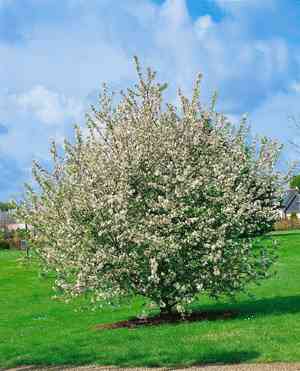
The optimal period for transplanting european crab apple occurs from the beginning to the end of spring, facilitating strong root development prior to the summer season. Choose a location that receives ample sunlight and possesses soil with good drainage. Execute the relocation process with careful handling to reduce any potential shock.
Necessary Preparations Before Relocating European Crab Apple?
Optimal Period for Moving European Crab Apple?
The perfect time for transplanting european crab apple spans from the onset of early spring through the end of late spring. This timeframe enables european crab apple to establish roots comfortably in cooler ground, minimizing transplant shock. Gentle spring rains aid in natural hydration, while increasing daylight promotes growth. Seize this season to move your european crab apple and observe its robust health and vitality flourish in its new spot.
Required Spacing Between European Crab Apple Plants?
When relocating your european crab apple, provide ample room for development! Aim for a separation of approximately 15-20 feet (4.5-6 meters) between each specimen. This allows their root systems to expand and branches to extend widely, ensuring a thriving, healthy existence.
Best Soil Mixture for European Crab Apple Relocation?
For your european crab apple, a well-draining loamy soil is ideal to make it feel settled. Prior to planting, enrich the soil with a balanced, slow-release fertilizer to give your european crab apple a nourishing start. A soil pH between 6.0 and 7.0 is optimal for your plant.
Where to Replant Your European Crab Apple?
Your european crab apple loves soaking up the sun! Select a spot that receives full sunlight for optimal development. This means about 6 or more hours of direct sun daily. A sunny location will help your european crab apple flourish and produce its beautiful blooms.
Equipment Needed Before Transplanting European Crab Apple?
Gardening Gloves
To safeguard your hands while handling soil and the plant.
Shovel or Spade
For excavating the european crab apple's root ball and digging the new planting site.
Hand Trowel
For more precise digging and careful manipulation around the roots, if required.
Pruning Shears
To trim any lifeless or fractured roots or branches.
Watering Can or Hose
To hydrate the plant before extraction and after replanting.
Wheelbarrow
To move the european crab apple from its initial spot to the new location.
Burlap or Tarp
To wrap the root ball during transit, reducing root damage.
Garden Fork
To loosen the soil around the plant's root area before lifting.
Mulch
To apply around the plant's base after transplanting to help retain moisture.
How to Extract European Crab Apple from the Soil?
How to Extract European Crab Apple from the Soil?
From Ground: First, hydrate the european crab apple to moisten the soil, making excavation easier. Next, use a garden fork to loosen the earth around the plant. Carefully create a wide trench around the plant with a shovel or spade, ensuring the root ball remains intact. Use the spade to gently lift the plant from the ground.From Pot: Begin by watering the european crab apple to help the root ball cohere. Turn the pot sideways and gently tap its sides to dislodge the plant. Gradually pull the plant by the base of the main stem with one hand, while supporting the pot with the other. Slide the plant out, preserving the root ball's integrity.From Seedling Tray: Water the seedlings first to prepare their roots for removal. Use a hand trowel or a dibber to gently lift each seedling from its compartment, taking care not to harm the delicate roots. Support the seedlings by their leaves rather than the stem to prevent damage.
Step-by-Step Guide for Relocating European Crab Apple
Preparation
Prepare the european crab apple by trimming any damaged roots or branches with pruning shears. This will aid the plant's recovery after relocation.
Hole Excavation
Dig a hole in the chosen spot that is twice as wide and the same depth as the european crab apple's root ball. Use a shovel or spade for this task to ensure the hole has smooth sides and a flat bottom.
Plant Placement
Gently place the european crab apple into the hole, making sure it sits at the same depth as it did in its previous location. Adjust the hole's depth if necessary.
Soil Backfill
Backfill the hole around the european crab apple with the excavated soil, pressing down lightly to remove air pockets. Avoid tamping down too firmly to prevent soil compaction.
Watering
Thoroughly water the european crab apple after planting, to settle the soil around the roots and provide essential moisture for the plant to begin establishing.
Mulching
Apply a layer of mulch around the base of the european crab apple, keeping it clear of the main stem. This will help retain moisture and regulate soil temperature.
Post-Transplant Care for European Crab Apple.
Initial Watering
Water the european crab apple appropriately, ensuring the soil is adequately moist without becoming waterlogged. Continue regular watering, especially during dry periods, until the plant is well-established.
Monitoring
Observe the european crab apple for indications of transplant shock, such as wilting or leaf drop. This is common, and the plant typically recovers with proper care.
Pruning
Trim any dead or damaged branches that may appear after transplanting to encourage new growth and maintain a healthy plant.
Staking
If the european crab apple is tall or unstable, consider providing support with a stake until its root system is strong enough to support the plant independently.
Troubleshooting Common Issues with European Crab Apple Relocation.
How do I know the best time to move european crab apple?
Relocate european crab apple during the favorable spring season, ideally from early to late spring, to ensure robust root development.
What spacing is required when moving european crab apple?
Allow european crab apple ample room to thrive by spacing them 15-20 feet (4.5-6 meters) apart, ensuring plenty of sunlight and air circulation.
Why are my relocated european crab apple trees wilting?
Wilting after transplanting might be due to insufficient watering. Ensure the soil remains moist but not waterlogged to aid recovery.
Should I prune european crab apple before moving it?
Light pruning is beneficial; trim away damaged or elongated branches to reduce stress and direct energy towards the roots.
What's the ideal depth for relocating european crab apple?
Excavate a hole twice as wide and as deep as the root ball, allowing the roots to spread comfortably.
Can european crab apple be moved in summer or fall?
It's best to avoid extreme heat or cold. European crab apple thrives when moved in the mildness of spring.
What soil conditions are best for european crab apple after relocation?
Enrich the planting site with well-draining soil, abundant organic matter, and maintain a neutral to slightly acidic pH.
How much should I water european crab apple after moving it?
Water deeply immediately after planting and then consistently, ensuring the root zone is moist to help the plant establish.
Could transplant shock affect my european crab apple tree?
Indeed, transplant shock can occur. Minimize it through proper planting, adequate watering, and avoiding disturbance to the root system.
When will european crab apple show new growth after relocation?
Be patient, as it may take several weeks to a few months for european crab apple to establish and exhibit vigorous growth.



