How to Transplant Malus sieversii?
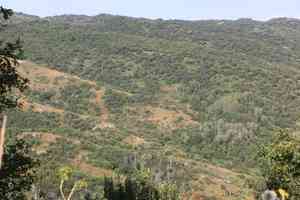
Malus sieversii flourishes when relocated from early to late spring, benefiting from ideal soil warmth and hydration. Select a bright spot with soil that drains effectively. Moving the plant during this timeframe improves root development, leading to vigorous growth.
What Preparations are Necessary Before Relocating Malus Sieversii?
What is the Optimal Period for Relocating Malus Sieversii?
For malus sieversii, the best time for relocation is 'early to mid-spring' due to the mild weather. During this period, the ground warms up, and the danger of frost decreases. Moving malus sieversii at this time allows its roots to establish before the intense summer heat, promoting vigorous growth and increasing its chances of flourishing in the new spot.
How Much Distance Should You Maintain Between Malus Sieversii Plants?
When relocating malus sieversii, ensure a spacing of 20-30 feet (6-9 meters) between plants. This provides ample room for development and prevents competition for resources.
What is the Best Soil Mixture for Malus Sieversii Relocation?
Prepare well-draining soil, a blend of sandy loam or clay loam. Enhance the soil with a foundational fertilizer rich in organic matter, such as compost or aged manure, to supply vital nutrients.
Where Should You Replant Your Malus Sieversii?
Select a sunny spot for malus sieversii, as it requires at least 6-8 hours of direct sunlight daily. This helps the plant thrive and produce healthy fruit.
What Tools Should You Get Ready Before Relocating Malus Sieversii?
Gardening Gloves
To safeguard your hands while handling soil and the plant.
Shovel or Spade
For excavating holes and trenches around the plant.
Pruning Shears
For trimming any damaged roots or branches.
Watering Can
For hydrating the plant before and after relocation.
Trowel
For smaller, more precise digging tasks.
Organic Mulch
To help retain moisture in the soil surrounding the relocated plant.
Stakes and Ties
To support the plant if it is tall or unstable after relocation.
How Do You Extract Malus Sieversii from the Soil?
How Do You Extract Malus Sieversii from the Soil?
From Ground: First, hydrate the malus sieversii plant to moisten the soil. Then, dig a wide trench around the plant using a shovel or spade, ensuring the plant's root ball remains intact. Carefully work the spade beneath the root ball to lift the plant from its original position.From Pot: Water the malus sieversii plant thoroughly and allow it to sit for a few minutes. Gently tap the sides of the pot to loosen the soil, then invert the pot while supporting the plant's base. Tap the bottom of the pot and carefully slide the plant out, keeping the root ball intact.From Seedling Tray: Water the malus sieversii seedlings well. Use a trowel to gently lift the seedlings from the tray, making sure to include the entire root system.
Step-by-Step Guide for Relocating Malus Sieversii
Site Preparation
Prepare the new planting site by digging a hole that is twice as wide and equal in depth to the plant's root ball.
Soil Depth Check
Place the malus sieversii plant into the hole to verify the depth. Adjust the soil at the bottom if necessary to ensure the top of the root ball is level with the ground surface.
Backfilling
Fill the hole halfway with soil, then water to help the soil settle. Continue filling the hole until it is completely full, gently pressing the soil down around the root ball.
Firming the Soil
Gently compact the soil around the plant using your hands. Avoid over-compacting, to allow for proper root growth and air circulation.
Watering
Water the plant thoroughly to help it settle into its new location. Ensure the water penetrates deep into the soil to encourage strong root development.
Applying Mulch
Apply a layer of organic mulch around the base of the plant to retain moisture and suppress weeds, keeping it away from the plant's trunk.
Supporting the Plant
If the malus sieversii plant is tall or unstable, use stakes and ties to support it until it establishes itself.
How Do You Care For Malus Sieversii After Relocation?
Watering
Keep the soil around the malus sieversii consistently moist, but not waterlogged, for the initial few weeks after relocation to help establish strong roots.
Monitoring
Regularly check the plant for indications of stress, such as wilting or yellowing leaves, and address any issues promptly.
Avoid Fertilizing
Refrain from fertilizing immediately after relocation as it can stress the plant. Wait until you observe new growth before fertilizing.
Providing Shade
If the weather is particularly hot or sunny, consider offering temporary shade to protect the newly relocated malus sieversii until it adapts to its new environment.
Troubleshooting Common Issues with Malus Sieversii Relocation.
When is the best time to relocate malus sieversii?
The optimal time to relocate malus sieversii is in early to late spring for ideal growth.
How far apart should malus sieversii be spaced?
Malus sieversii should be spaced 20-30 feet (6-9 meters) apart to ensure healthy development.
What type of soil is ideal for relocating malus sieversii?
Malus sieversii prefers well-draining, loamy soil with a slightly acidic to neutral pH (6.0-7.0).
How do I prepare the soil before relocating malus sieversii?
Loosen the soil, incorporate organic compost, and remove any weeds or debris to enrich the planting area.
Should I water malus sieversii immediately after relocating?
Yes, water thoroughly right after relocating malus sieversii to help establish strong roots.
How can I reduce relocation shock for malus sieversii?
Water consistently, mulch the base, and avoid disturbing the roots to minimize relocation shock.
What should I do if malus sieversii leaves start wilting after relocating?
Ensure consistent watering and provide shade if necessary until malus sieversii adjusts to the new location.
How deep should the hole be for relocating malus sieversii?
Dig a hole twice as wide and equal to the depth of malus sieversii's root ball.
Can I fertilize malus sieversii immediately after relocating?
Wait a few weeks before fertilizing malus sieversii to allow the plant time to adapt to its new environment.
How can I support malus sieversii during windy conditions post-relocation?
Use stakes and soft ties to secure malus sieversii until the roots are established and stable.



