How to Transplant Hall crabapple?
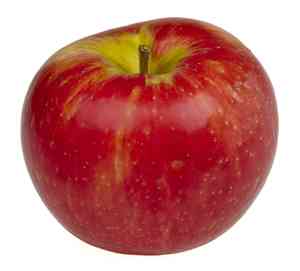
For a flourishing hall crabapple, relocate it during its peak growth phase, from early to late spring. Select a bright spot with soil that drains effectively. Should it be necessary, incorporate compost to enhance the soil and facilitate a successful transplantation.
What Preparations are Needed Before Transplanting Hall Crabapple?
What is the Ideal Time for Transplanting Hall Crabapple?
The optimal period to move your hall crabapple spans from early spring to its conclusion. This season offers stable temperatures and the onset of the growth cycle, making it suitable. Relocating hall crabapple during this phase aids root development and adaptation, fostering robust future growth. As a friendly reminder, careful planning and timely transplanting can lead to your hall crabapple flourishing magnificently!
How Much Space Should You Leave Between Hall Crabapple Plants?
When transplanting your hall crabapple, aim for a spacing of approximately 2-3 ft. (60-90 cm) between them. This distance ensures each plant receives adequate air circulation and sunlight, promoting their healthy development.
What is the Best Soil Mix for Hall Crabapple Transplanting?
Begin by preparing rich, well-draining soil, abundant in organic matter, for your hall crabapple. You can achieve this by incorporating compost or aged manure into the soil, along with a balanced, slow-release all-purpose fertilizer.
Where Should You Relocate Your Hall Crabapple?
Your hall crabapple will thrive in a location that gets full sun to partial shade, meaning 6-8 hours of sunlight daily. Select a spot with consistent sun exposure throughout the day to encourage vigorous growth and plentiful blooms.
What Equipments Should You Prepare Before Transplantation Hall Crabapple?
Gardening Gloves
To shield your hands from thorns, dirt, and potential pests while handling the hall crabapple.
Shovel or Spade
To carefully excavate the hall crabapple from its original spot, preserving the roots.
Garden Trowel
To precisely create a hole of the correct size in the new location for transplanting the hall crabapple.
Watering Can
For hydrating the hall crabapple plant both before and after its relocation.
Mulch
To retain moisture and suppress weeds around the newly transplanted hall crabapple.
Measuring Tape
For ensuring the accurate depth and width of the hole at the hall crabapple's new site.
Pruning Shears
To trim any damaged roots or unnecessary branches of hall crabapple prior to transplantation.
How Do You Remove Hall Crabapple from the Soil?
How Do You Remove Hall Crabapple from the Soil?
From Ground: Start by watering the hall crabapple to moisten the soil, making excavation easier. Using a spade or shovel, begin digging a wide circle around the plant, ensuring the roots remain intact. Dig deep enough to get beneath the root ball, then gently lift the plant from the ground.From Pot: Gently tap the pot's sides to loosen the soil. Holding the base of the hall crabapple stem, invert the pot and carefully pull it off. If the hall crabapple is stuck, you can use a garden knife to carefully cut around the edge to free it.From Seedling Tray: Using a small trowel or your hand, gently scoop out the hall crabapple with as much surrounding soil as possible. Be careful not to harm the delicate root hairs essential for nutrient absorption.
Step-by-Step Guide for Transplanting Hall Crabapple
Hole Preparation
Use the garden trowel to dig a hole twice as wide as the root ball and as deep as its height in the new location.
Space Measurement
Ensure the hole is sufficiently large for the roots to spread out comfortably using the measuring tape.
Planting
Place the hall crabapple in the hole while spreading its roots. Make sure the top of the root ball is level with the ground surface.
Filling the Hole
Carefully backfill the hole with soil, gently patting it around the base of the hall crabapple.
Watering
Thoroughly water the hall crabapple using the watering can; this helps the soil settle around the roots.
Mulching
Apply mulch around the base of the hall crabapple to help retain soil moisture and prevent weed growth.
How Do You Care For Hall Crabapple After Transplanting?
Water Management
Ensure the hall crabapple receives adequate water, especially during dry periods as the roots establish in their new location.
Pruning
Trim off any yellowing or dead leaves and branches to encourage new growth and maintain the hall crabapple plant's health.
Pest & Disease Check
Regularly inspect the hall crabapple plant for any indications of pests or diseases, and take prompt action if any are discovered.
Frost Protection
As the hall crabapple is a perennial, shield the newly transplanted plant from harsh winter weather with a frost blanket if necessary.
Troubleshooting Common Issues with Hall Crabapple Transplantation.
What is the optimal time of year to transplant hall crabapple?
The ideal time is from the beginning of spring to its end. This provides hall crabapple with the best conditions for root establishment and growth.
How much spacing should I allow between each hall crabapple when transplanting?
Give each hall crabapple ample room, about 2-3 feet (60-90 cm) apart. This ensures they have sufficient space for growth and to prevent overcrowding.
Should I prepare the transplant site for hall crabapple?
Absolutely! Before transplanting, prepare your garden area by removing weeds and loosening the soil. This step promotes healthier root growth for hall crabapple.
What depth should I plant hall crabapple when transplanting?
The plant should be set at the same depth it was growing previously. The top of the root ball should be level with or slightly above the surrounding soil.
How do I ensure hall crabapple survives after transplanting?
After transplanting, water hall crabapple thoroughly. Keep the soil around hall crabapple consistently moist but not waterlogged until you observe new growth.
Why are my transplanted hall crabapple leaves turning yellow?
Yellowing leaves could indicate water stress or a nutrient deficiency. Check the soil's moisture level and consider applying a balanced plant food.
How to handle hall crabapple root ball when transplanting?
Handle with care! Do not lift the plant by the stem or trunk. Instead, hold it by the root ball to prevent damage during the transplanting process.
Should I prune hall crabapple before or after transplanting?
You typically don't need to prune hall crabapple at transplanting. If necessary, only lightly trim to remove diseased or broken branches.
How long does it take for hall crabapple to establish after transplanting?
Hall crabapple usually establishes in a couple of weeks, but full rooting can take up to a few months. Daily care and observation are crucial after transplanting.
My transplanted hall crabapple is wilting, what could be the cause?
Wilting might be a sign of transplant shock. Continue to maintain moist soil conditions and protect the plant from harsh weather; it should recover as it establishes.



