How to Transplant Star magnolia?
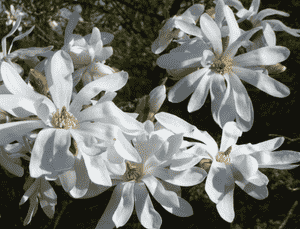
The ideal period for relocating star magnolia is as fresh shoots appear in mid-spring. This enables the specimen to develop a robust root network. Select a location featuring adequately draining earth and dappled sunlight. Carefully untangle the roots prior to moving star magnolia to encourage peak development.
Preparations Required Before Moving Star Magnolia?
Optimal Period for Relocating Star Magnolia?
The perfect time to move star magnolia is during the pleasant mid-spring. As star magnolia emerges from dormancy, this period offers prime growth conditions. At this point, the plant establishes quickly, maximizing its blooming potential.
Recommended Spacing Between Star Magnolia Plants?
For relocating star magnolia, it's best to allow ample room for each plant to develop. Aim for a separation of approximately 8-12 feet (2.4-3.7 meters). This ensures sufficient space for proper growth and air circulation.
Ideal Soil Blend for Star Magnolia Relocation?
To prepare the soil for moving star magnolia, use well-draining, fertile, and slightly acidic soil (pH 5.5-6.5). Incorporate organic matter, such as compost or aged manure, as a foundational fertilizer to enrich the soil and encourage robust growth.
Where to Replant Your Star Magnolia?
Select a site for moving star magnolia that receives full to partial sunlight (4-6 hours daily) for optimal development. Ensure the chosen spot also offers protection from strong winds to prevent damage to the delicate flowers and branches.
Equipment Needed Before Relocating Star Magnolia?
Gardening Gloves
To safeguard your hands while working with soil and star magnolia.
Spade or Shovel
For carefully excavating the star magnolia plant from its original spot with its root system intact.
Pruning Shears
For trimming any damaged roots or branches.
Garden Trowel
For digging the new planting hole and backfilling around the star magnolia plant.
Wheelbarrow
To transport the star magnolia plant to its new location.
Garden Hose or Watering Can
To hydrate the star magnolia plant before and after relocation.
Tape Measure
To verify the new planting hole has the correct depth and width.
How to Extract Star Magnolia from the Ground?
How to Extract Star Magnolia from the Ground?
From Ground: First, water the star magnolia plant to soften the soil. Use a spade or shovel to dig a wide circle around the plant. The circle should be broad enough to encompass the plant's root ball. Gently lift the plant from the base using the spade without harming the root ball.From Pot: Before removing the star magnolia from its container, water it to facilitate the process. Invert the pot gently and tap the rim on a firm surface to release the star magnolia plant. If the roots are circling, carefully untangle them before replanting.From Seedling Tray: Water the star magnolia thoroughly before taking it from the seedling tray. Push up from the bottom and grasp the leaves, not the stem, to remove the seedling. Handle the root ball with care to avoid any injury to the roots.
Step-by-Step Guide for Relocating Star Magnolia
Root Preparation
If the roots of your star magnolia plant are coiled or matted, gently untangle them with your fingers. Trim any damaged roots using pruning shears.
New Hole Preparation
Use your trowel to excavate a hole at your chosen relocation site. The hole should be twice as wide as the root ball of star magnolia but not significantly deeper.
Plant Placement
Position the star magnolia plant into the hole, ensuring the top of the root ball is level with the ground surface. If it's too low, add more soil to the base of the hole.
Backfilling
Carefully shovel the soil back into the hole, pressing lightly around star magnolia to ensure the soil is firm.
Watering
Water the star magnolia thoroughly after it has been planted. This will help settle the soil and eliminate any air pockets.
Post-Relocation Care for Star Magnolia?
Watering
Consistent watering is crucial in the initial weeks after relocation to establish the star magnolia roots.
Pruning
Any weak or damaged branches should be trimmed after relocation. Typically, star magnolia doesn't require extensive pruning, just maintenance of its appealing form.
Mulching
Applying a layer of mulch around the star magnolia can help retain soil moisture, suppress weed growth, and regulate soil temperature.
Pest Monitoring
Inspect the star magnolia daily for any indications of pests or diseases. Early detection and treatment can prevent significant harm to your plant.
Resolving Common Issues with Star Magnolia Relocation.
What is the optimal time of year to move star magnolia?
The ideal time to move star magnolia is during the blooming season of mid-spring. This allows the plant ample time to establish its root system before winter.
What is the recommended spacing for star magnolia during relocation?
Star magnolia requires adequate space for proper growth. Maintain a distance of about 8-12 feet (approximately 2.4-3.6 meters) between each plant when relocating.
How deep should I plant star magnolia during the relocation process?
Ensure the hole is twice as wide as the root ball and of equivalent depth. The top of star magnolia's root ball should remain flush with the soil's surface.
How often should I water star magnolia after relocation?
Star magnolia thrives in consistently moist soil. Water newly planted star magnolia's thoroughly, then follow with regular watering until the plant is well-established.
Are there specific soil conditions preferred by star magnolia?
Star magnolia favors rich, well-drained soil. If possible, mix compost into the planting hole to ensure your plant receives ample nutrients.
What should I do to help star magnolia recover from transplant shock?
Transplant shock in star magnolia can be minimized by watering generously after relocation, providing shade for a few days, and avoiding heavy pruning immediately after the move.
How can I safeguard relocated star magnolia during an unexpected frost?
You can protect star magnolia from unexpected frosts by covering them with a frost blanket or similar material. Remember, young transplants are particularly vulnerable!
What if the leaves of star magnolia turn yellow after relocation?
Yellowing leaves may indicate water stress. Ensure star magnolia is receiving sufficient water, and check for proper drainage to prevent waterlogged roots.
Should I use any type of fertilizer during the relocation of star magnolia?
A slow-release organic fertilizer can give star magnolia a strong start during relocation. Avoid applying excessive amounts to prevent root burn.
How should I handle the branches during the relocation of star magnolia?
While relocating, handle star magnolia with care. Avoid excessive pruning, and hold the tree by the root ball, not the branches, to prevent stress.



