How to Transplant Saucer magnolia?
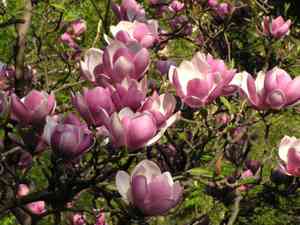
To achieve optimal outcomes, relocate saucer magnolia during the period spanning early spring to late spring, or from late autumn to early winter. This timing facilitates root establishment within cooler, adequately hydrated soil. Select a site offering good drainage and partial sunlight. Ensure thorough watering following transplantation, given saucer magnolia's preference for steady hydration.
What Preparations are Needed Before Transplanting Saucer Magnolia?
What is the Ideal Time for Transplanting Saucer Magnolia?
Move saucer magnolia between early and late spring, or from late fall to early winter. This timing allows roots to establish before harsh weather, crucial for a successful relocation. These periods also shield saucer magnolia from extreme temperatures, boosting its chances of survival and vigorous development.
How Much Space Should You Leave Between Saucer Magnolia Plants?
For relocating your beautiful saucer magnolia, it's best to provide ample room for growth! Position them approximately 10-20 feet (3-6 meters) apart to ensure they have sufficient space to extend their branches and achieve their full potential.
What is the Best Soil Mix for Saucer Magnolia Transplanting?
Prior to moving saucer magnolia, select well-draining soil rich in organic material and enrich it with a foundational fertilizer like compost or aged manure. This will nourish your plant and help create an optimal environment for its development!
Where Should You Relocate Your Saucer Magnolia?
Choose a spot where your saucer magnolia will receive full sun to partial shade, meaning about 4-6 hours of sunlight daily. This will enable it to grow robustly and produce those lovely blossoms we all admire!
What Equipments Should You Prepare Before Transplantation Saucer Magnolia?
Gardening Gloves
To shield your hands from dirt and minor cuts when handling tools and plants.
Gardening Shovel or Spade
To excavate the hole for your saucer magnolia and assist in removing the plant from its original spot.
Gardening Fork
To gently lift the root ball and loosen compacted soil without harming the roots.
Pruning Shears
To trim any damaged or excessively long roots.
Wheelbarrow or Heavy Duty Tarp
To move the saucer magnolia from its initial location to the new planting site.
Watering Can or Hose
Essential for providing necessary moisture to saucer magnolia both before and after the transplanting process.
How Do You Remove Saucer Magnolia from the Soil?
How Do You Remove Saucer Magnolia from the Soil?
From Ground: Ensure you thoroughly water saucer magnolia several hours before beginning the process. This helps keep the rootball intact during excavation. Next, use a shovel or spade to dig a trench around the plant, about 2 feet away to avoid damaging its root system. Then, carefully work the spade beneath the root ball, and gently lift the plant from its original position.From Pot: First, water the saucer magnolia until the soil is damp. Then, place your hand over the top of the pot, with the plant stem between your fingers. Invert the pot to release the plant. Carefully run a knife or hand spade around the pot's edge to loosen the root ball if necessary.From Seedling Tray: Begin by watering the soil where the saucer magnolia seedling is growing. Gently dig around one seedling with a spoon or your fingers. Carefully lift the seedling from the bottom to prevent damage to the stem or leaves
Step-by-Step Guide for Transplanting Saucer Magnolia
Preparation
Begin by digging a hole twice as wide as the saucer magnolia root ball, and deep enough so the top of the root ball is level with or slightly above the ground. Use a gardening fork to loosen the soil around the hole.
Positioning
Carefully place the saucer magnolia in the middle of the hole. Ensure the root ball is even with the surrounding soil. If it's too deep, add a bit of soil back in.
Backfilling
Fill the hole, firming the soil around the root ball. Make sure there are no air pockets and the plant is stable in its new spot.
Watering
Water the saucer magnolia thoroughly after transplanting, saturating the entire root zone. Repeat watering until the soil is moist but not waterlogged.
Mulching
Apply a layer of organic mulch around the base of the saucer magnolia, but avoid mounding it against the trunk. Mulch will prevent rapid moisture loss and reduce competition from weeds for shallow roots.
How Do You Care For Saucer Magnolia After Transplanting?
Initial Care
Water saucer magnolia deeply after transplant. Apply enough water to moisten the entire root zone and repeat this process for a couple of weeks. This helps the plant to establish strong roots, but be careful not to overwater.
Pruning
It's common for saucer magnolia to shed some leaves after transplanting. If you notice dead or dying branches, prune them so the plant can direct energy towards new growth. Trim upwards to avoid harming the plant.
Inspect for Disease and Pests
Keep an eye out for signs of diseases or pests. If you find any, treat them promptly by consulting with a local nursery or extension service.
Troubleshooting Common Issues with Saucer Magnolia Transplantation.
What is the ideal time to transplant saucer magnolia?
It's best to transplant saucer magnolia in early to late spring or late autumn to early winter. This gives the plant the best chances of establishing itself.
How much space is appropriate when transplanting saucer magnolia?
To give saucer magnolia adequate room to flourish, the ideal spacing between plants should be 10 to 20 feet (3 to 6 meters). This space is beneficial for root expansion.
How deep should the hole be for transplanting saucer magnolia?
Dig a hole that's twice the width and the same depth as the root ball of your saucer magnolia. This will give it plenty of room to grow.
Should the saucer magnolia be watered immediately after transplanting?
Absolutely! Watering saucer magnolia right after transplanting helps settle the soil and hydrates the plant, which can reduce transplant shock and stimulate root growth.
What type of soil is best for saucer magnolia?
Saucer magnolia requires loamy, well-drained soil. As for the pH level, it prefers something slightly acidic to neutral. Make sure the soil is rich in organic matter too.
Is there any specific trimming recommended after transplanting saucer magnolia?
For saucer magnolia, only prune the dead or damaged branches post-transplant. This step contributes to the plant's overall health without causing any additional stress.
How do I handle saucer magnolia during transportation to avoid damage?
Always lift saucer magnolia from the base, supporting the main stem and root ball. Avoid pulling by the top or branches, which can lead to damage.
How to deal with any transplant shock for saucer magnolia?
Transplant shock can be mitigated by watering the saucer magnolia properly and ensuring it's in a suitable location for its sunlight requirements. A little patience will help too.
Do I need to add fertilizer when transplanting saucer magnolia?
Yes, using a balanced slow-release fertilizer during transplantation can provide essential nutrients to saucer magnolia. However, moderation is key to avoid burning the roots.
What kind of light conditions does saucer magnolia need after transplanting?
Saucer magnolia appreciates a location that gets full sun to partial shade. However, in areas with hot summers, some afternoon shade can be beneficial.



