How to Transplant Fraser magnolia?
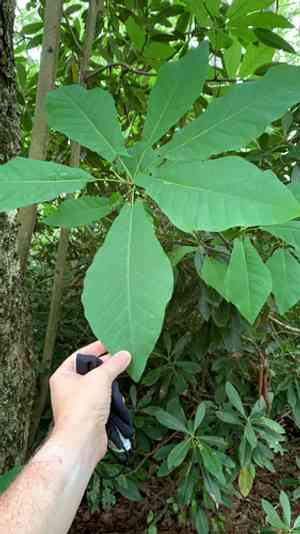
Fraser magnolia achieves peak transplanting success during the mild temperatures of late spring through early summer. Place fraser magnolia in partial shade, making sure the soil is fertile and drains effectively. During the transplanting process, ensure the soil remains adequately moist to foster strong root growth.
Necessary Preparations Before Relocating Fraser Magnolia?
Optimal Period for Moving Fraser Magnolia?
The perfect time to move fraser magnolia is from mid to late spring or early summer. This period offers mild weather, allowing fraser magnolia's roots to settle in the warm soil before summer's peak heat. Transplanting fraser magnolia during this favorable window maximizes its chances of flourishing in its new spot, paving the way for vigorous development and vibrant blooms in subsequent seasons.
Required Spacing Between Fraser Magnolia Plants?
When relocating fraser magnolia, ensure adequate spacing. Aim for approximately 15-20 feet (4.5-6 meters) between each plant. This provides ample room for its development. Correct spacing is crucial for the plant's well-being!
Best Soil Blend for Fraser Magnolia Relocation?
For fraser magnolia, the soil should be fertile and drain well. Incorporate compost or other organic material to boost its richness. A slow-release base fertilizer with a neutral pH is ideal for this plant, supplementing its nutrients.
Where to Replant Your Fraser Magnolia?
Fraser magnolia thrives in locations with full sun to partial shade. Find a spot in your garden that receives sunlight, but not excessively intense. This will enable fraser magnolia to grow and flower beautifully. Enjoy your gardening journey!
Equipment to Prepare Before Transplanting Fraser Magnolia?
Gardening Gloves
To protect your hands from potential harm when handling soil and plants.
Gardening Shovel
To aid in the excavation process at both the original and new sites for the fraser magnolia plant.
Gardening Spade or Trowel
For careful digging around the rootball and to safely extract the plant from its initial location.
Garden Hose or Watering Can
To keep the plant hydrated before and after its relocation.
Mulch
To help improve soil moisture levels and temperature regulation post-transplant.
Gardening Wheelbarrow
For easy transportation of the sizable fraser magnolia plant between locations.
Pruning Shears
To trim any damaged roots or branches of the fraser magnolia plant prior to transplanting.
How to Extract Fraser Magnolia from the Ground?
How to Extract Fraser Magnolia from the Ground?
From Ground: First, water the fraser magnolia plant to moisten the surrounding soil. Use a shovel to dig a wide circle around the plant, ensuring the rootball remains intact. Gently work the spade beneath the rootball to carefully lift the plant from its original spot.From Pot: Ideally, the fraser magnolia plant should be removed from its container when the soil is dry. Turn the pot sideways, hold the plant gently by its stem, and tap the bottom of the pot until the plant slides out. Remember, avoid pulling the plant out forcefully as it can harm the root system.From Seedling Tray: If the fraser magnolia plant is a seedling, gently push it from the bottom. If the plant is stuck, use a tool to lift it. Remember to hold the plant by its leaves and not by the stem.
Detailed Steps for Transplanting Fraser Magnolia
Preparation
Ensure the chosen new ground location is adequately prepared. The hole should be twice as wide but no deeper than the root ball of the fraser magnolia plant.
Transfer
Position the fraser magnolia plant in the hole, making sure the top of the rootball is level with the ground surface. Backfill the hole around the rootball, gently pressing the soil to remove any air pockets.
Watering
Water the fraser magnolia plant immediately after transplanting. Ensure the soil is moist but not waterlogged.
Mulching
Apply a layer of mulch around the plant, being careful not to cover the stem, to conserve soil moisture and regulate temperature.
Post-Transplant Care for Fraser Magnolia?
Monitoring
Closely observe the fraser magnolia plant for the initial few weeks, looking for signs of stress like wilting or yellowing. If observed, reassess your care routine.
Trimming
Snip off any dead or damaged roots or branches of the fraser magnolia using pruning shears. This will help the plant conserve energy for developing new roots.
Watering
Hydrate the plant regularly, keeping the soil consistently moist but avoiding excessive watering.
Pest Control
Inspect the fraser magnolia for pests or diseases. If found, use organic pesticides or fungicides to address the issue promptly. Remember, fraser magnolia plant requires extra attention until it is fully established in its new location.
Resolving Common Issues with Fraser Magnolia Transplantation.
What is the optimal season to transplant fraser magnolia?
Ideally, you should transplant fraser magnolia from late spring to early autumn, ensuring a successful transition.
What is the recommended spacing for planting fraser magnolia?
When planting fraser magnolia, it is best to achieve a spacing of 15-20 feet (4.5-6 meters), allowing for optimal growth.
What is important to consider when relocating fraser magnolia?
It's crucial to maintain the rootball's integrity when transplanting fraser magnolia. Damage can hinder the plant's growth after relocation.
How should I prepare the soil for fraser magnolia transplanting?
The soil should be well-drained and enriched with organic matter. This will provide fraser magnolia with the essential nutrients it needs for optimal growth.
How deep should the new hole be for transplanting fraser magnolia?
The hole should be twice the size of the root ball but no deeper than its height, ensuring the fraser magnolia's stability post-transfer.
How much watering does fraser magnolia require after transplant?
Fraser magnolia needs thorough watering immediately after transplant, and then consistent moisture until it establishes. Avoid over-soaking to prevent water-logging.
Is there any special care for fraser magnolia after transplanting?
Provide fraser magnolia with a good quality mulch to help maintain soil moisture and temperature, and protect against potential pest damage.
Do I need to prune fraser magnolia after transplanting?
Pruning is not necessary immediately after transplanting. However, any damaged or diseased branches should be removed to promote healthy growth.
What are signs of successful fraser magnolia transplantation?
Signs of a successful transplant include new leaf growth and a firm, upright plant posture. Stay patient, fraser magnolia may take time to establish.
What should I do if the transplanted fraser magnolia appears to be wilting?
Wilting can be a sign of stress. Ensure fraser magnolia has sufficient water and is shielded from intense exposure to sun or strong winds.



