How to Transplant Osage orange?
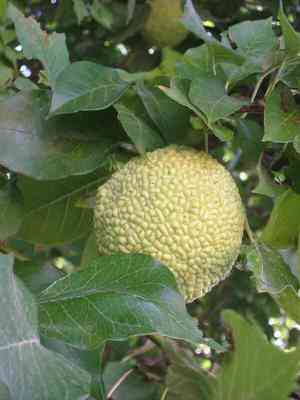
For Maclura pomifera, the ideal period for relocation is during the revitalizing phase of early to mid-spring, as moderate temperatures facilitate root development. Select a bright spot with soil that drains effectively. Careful handling during the move guarantees a seamless adjustment for this resilient plant.
What Preparations are Needed Before Transplanting Osage Orange?
What is the Ideal Time for Transplanting Osage Orange?
The arrival of spring's warmth marks the perfect time to settle osage orange into its new spot. During this period of rejuvenation, when the danger of frost has passed and the ground begins to warm, moving osage orange allows its roots to establish in gentle conditions, ensuring a strong beginning. Embrace this season's promise of development and watch osage orange thrive in the nourishing spring soil.
How Much Space Should You Leave Between Osage Orange Plants?
Welcome to gardening! To begin, ensure adequate room for osage orange to expand. Aim for an optimal spacing of approximately 20-30 feet (6â9 metres) apart. This guarantees the plants have sufficient area for growth and proper air circulation.
What is the Best Soil Mix for Osage Orange Transplanting?
For osage orange, you'll want soil that is loamy and drains well. Prepare your garden bed by incorporating a foundational fertilizer, rich in phosphorus and potassium. These nutrients encourage robust root development and fruit production in osage orange.
Where Should You Relocate Your Osage Orange?
Regarding the placement for your osage orange, it requires full sunlight for at least six hours daily. A south or west-facing position is generally most suitable, as it allows the plant to receive maximum sun exposure throughout the day.
What Equipments Should You Prepare Before Transplantation Osage Orange?
Gardening Gloves
To safeguard your hands while handling soil and maneuvering the plant.
Shovel or Spade
Useful for excavating the plant from its original spot and creating the hole at the new location.
Wheelbarrow or Bucket
To comfortably transport the excavated osage orange plant and its soil to the new site.
Garden Pruners
Helpful for trimming any damaged roots during the relocation process.
Watering Can or Hose
For hydrating the plant before and after the transplanting procedure.
How Do You Remove Osage Orange from the Soil?
How Do You Remove Osage Orange from the Soil?
From Ground: First, ensure to water the osage orange plant to moisten the soil, which facilitates uprooting. Use a shovel or spade to carefully dig a wide circle around the plant, taking care not to harm the roots. Once dug, gently work your way under the root ball and cautiously lift the plant from the ground.From Pot: Begin by watering the pot until the soil is noticeably damp but not saturated. Tilt the pot sideways and, while supporting the plant's base, gently pull it out. Be cautious; if it doesn't come out easily, you might need to tap the sides and bottom of the pot to loosen the roots and prevent damage.From Seedling Tray: Water the seedlings until the soil is moist. Using a spoon or a small gardening tool, carefully lift each seedling from its compartment. Be gentle and avoid pulling or struggling, as this can injure the young roots.
Step-by-Step Guide for Transplanting Osage Orange
Transplant Timing
The optimal moment for relocating osage orange is in late winter or early spring while the plant remains dormant.
Digging
Excavate a hole in the new spot about twice as wide and equally deep as the root ball. The broader hole will provide loose soil around the osage orange plant, allowing roots to spread easily.
Placement
Position the osage orange plant in the hole. The top of the root ball should be level with the ground surface. Carefully backfill the hole, pressing the soil firmly but gently around the plant.
Staking
Stake the newly transplanted osage orange tree, if necessary, to offer support and prevent wind damage. Remember to remove these after the initial year.
Watering
Thoroughly water the osage orange plant immediately after transplanting to settle the soil.
How Do You Care For Osage Orange After Transplanting?
Stress Monitoring
Observe your osage orange plant closely for several weeks. If the plant exhibits signs of distress, such as yellowing leaves or wilting, increase watering frequency.
Watering
The osage orange plant requires ample water until it establishes itself in its new location. Consistently moist soil is ideal, but avoid overwatering to prevent root rot.
Pruning
Refrain from heavily pruning the osage orange plant during the first year post-transplant. Pruning can further stress the plant, which needs as many leaves as possible to generate the energy required for root growth and establishment.
Mulching
Apply mulch to the base of the osage orange plant as it helps retain soil moisture and suppress weeds.
Troubleshooting Common Issues with Osage Orange Transplantation.
What is the right time of the year to transplant osage orange?
The best period to shift osage orange is during 'S1-S2', which provides optimal conditions for growth and transplantation success.
What's the perfect distance for planting osage orange seeds?
Ideally, osage orange seeds should be planted at intervals of 20-30 feet (approx 6-9 meters). This ensures proper growth and spread.
How much water does osage orange need after transplantation?
Osage orange is a sturdy plant that thrives in various conditions, but after transplanting, daily watering for a few weeks can help it settle.
Why is my transplanted osage orange showing signs of withering?
Osage orange may wither due to insufficient water, overdue transplantation or harsh weather conditions. Monitor these factors to ensure its survival.
Do I need to prune osage orange after transplanting?
Yes, after transplanting osage orange, pruning is recommended to encourage new growth and maintain the plant's aesthetic structure.
What type of soil is suitable for osage orange?
Osage orange prefers well-drained soils. It can tolerate a wide pH range, but slightly alkaline conditions are generally best for growth.
How do I ensure successful establishment of osage orange post-transplant?
Ensure osage orange get enough sun, water and nutrients, keep weeds away, and avoid transplant shock by shifting in 'S1-S2'.
How deep should I plant osage orange saplings?
For osage orange, dig a hole that is 2 times wider and as deep as the root ball (about 10-12 inches or 25-30 cm).
Do I need to fertilize osage orange after transplanting?
Fertilizing is not needed immediately after transplantation. Wait till the next growing season to promote root growth and overall health.
How long will it take for my transplanted osage orange to settle?
Osage orange generally takes a couple of weeks to establish after transplanting. Regularly monitor and care for it during this period.



