How to Transplant Purple loosestrife?
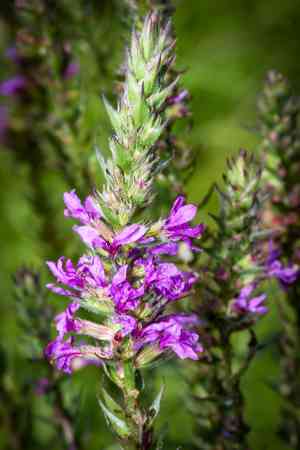
The ideal period for relocating purple loosestrife is from early to late spring, allowing the specimen sufficient time to settle prior to the active growth phase. Select a bright, adequately drained site for peak performance. Carefully loosen the root mass during transplantation, and guarantee appropriate spacing for robust maturation.
What Preparations are Needed Before Transplanting Purple Loosestrife?
What is the Ideal Time for Transplanting Purple Loosestrife?
The optimal period to relocate purple loosestrife is when winter's grip loosens, from early to late spring. This timing provides purple loosestrife with a head start, allowing its root system to establish before summer or winter arrives. Moving purple loosestrife during this specific window ensures the plant flourishes, bringing delightful, abundant blooms to your garden. So remember, it's about foresight and thorough preparation for a successful purple loosestrife transplant.
How Much Space Should You Leave Between Purple Loosestrife Plants?
When relocating purple loosestrife, aim for a separation of approximately 12-18 inches (30-45 cm) between plants. This will provide ample room for development and contribute to the health of your plants.
What is the Best Soil Mix for Purple Loosestrife Transplanting?
For purple loosestrife, well-draining soil enriched with garden compost or aged manure is ideal. Apply a slow-release, balanced fertilizer for the best start. Always water thoroughly after fertilizer application.
Where Should You Relocate Your Purple Loosestrife?
Purple loosestrife thrives in conditions ranging from full sun to partial shade. Select a location that receives at least 6 hours of direct sunlight daily, but can also tolerate some afternoon shade. Happy gardening!
What Equipments Should You Prepare Before Transplantation Purple Loosestrife?
Gardening Gloves
To safeguard your hands when handling soil and the purple loosestrife plant.
Shovel or Garden Spade
Will be utilized for excavating holes and extracting the plant from its initial position.
Garden Trowel
For precise digging when extracting purple loosestrife from a container or seedling tray.
Watering Can
To hydrate the plant before and after its relocation.
Rooting hormone powder
Aids in stimulating root development during transplantation.
Mulch
To assist in retaining soil moisture post-transplant.
How Do You Remove Purple Loosestrife from the Soil?
How Do You Remove Purple Loosestrife from the Soil?
From Ground: Begin by watering the purple loosestrife plant to moisten the soil, making excavation easier. Use your shovel or spade to dig a wide trench around the plant, ensuring the plant's root system and surrounding soil remain intact. Carefully work the spade beneath the root ball to lift the plant from the ground.From Pot: Thoroughly water the potted purple loosestrife before removal. Turn the pot on its side, gently hold the plant by its base, and tap the bottom of the pot to loosen it. Slide the root ball out of the pot.From Seedling Tray: Water purple loosestrife seedlings prior to transplanting. Gently grasp the base of the seedling and use a trowel or appropriate tool for removal. Exercise extreme caution to avoid damaging the delicate roots.
Step-by-Step Guide for Transplanting Purple Loosestrife
Hole Preparation
Excavate a hole that is twice the width and depth of purple loosestrife's root ball. This can be accomplished using your shovel or garden spade.
Root Preparation
Lightly coat the root ball of the purple loosestrife with rooting hormone powder. This step can accelerate root growth and lessen transplant shock.
Planting
Gently place the purple loosestrife into the hole, ensuring the top of the root ball is level with the surrounding ground.
Backfilling
Refill the hole, surrounding the purple loosestrife with the original soil, without covering the top of the root ball.
Instant Care
Water purple loosestrife thoroughly immediately after transplanting. Apply mulch around the base of the purple loosestrife, making sure the mulch does not touch the stem to prevent rot.
How Do You Care For Purple Loosestrife After Transplanting?
Watering
Keep the purple loosestrife moist, but be careful not to overwater. This is crucial in the initial weeks post-transplant to help purple loosestrife establish strong roots.
Mulching
Refreshing the mulch layer around purple loosestrife can help retain soil moisture and inhibit weed growth. Just remember to keep the mulch away from the stem.
Pruning
To minimize transplant shock, consider trimming back the purple loosestrife after relocation. This helps purple loosestrife direct its energy towards root production.
Checking
Monitor the purple loosestrife daily for the first week. Watch for any indications of transplant shock such as wilting or yellowing leaves.
Troubleshooting Common Issues with Purple Loosestrife Transplantation.
What is the best time to transplant purple loosestrife?
To give your purple loosestrife an excellent start, relocate it during early to late spring.
What precautions should I take while uprooting purple loosestrife for transplanting?
Handle the purple loosestrife's rootball with care to prevent root damage. Retain as much soil around the roots throughout the entire process.
How should I prepare the soil before transplanting purple loosestrife?
Ensure the soil is well-drained and rich in humus. Add compost if necessary to improve soil health. Remember to dig a hole twice the width and the height of the purple loosestrife rootball.
How much space should there be between purple loosestrife plants when transplanting?
For optimal growth, maintain a separation of 12-18 inches (30-45 cm) between each purple loosestrife during relocation.
How much should I water purple loosestrife after transplantation?
Water it thoroughly immediately after relocation. For the first few weeks, keep the soil consistently moist but never waterlogged.
Should purple loosestrife be pruned before transplanting?
If the purple loosestrife is mature and overgrown, light pruning can help reduce transplant shock. However, young plants typically do not require pruning.
Is it necessary to add fertilizer during transplantation of purple loosestrife?
While optional, a balanced fertilizer can stimulate the plant's growth. However, avoid over-fertilizing as it might harm the purple loosestrife.
Will purple loosestrife survive if transplanted in unsuitable seasons?
While purple loosestrife is a resilient plant, relocating it during unfavorable seasons might stress it and impact its growth. Adhering to early-late spring is most effective.
What if leaves of purple loosestrife start yellowing after transplantation?
Yellowing typically indicates overwatering or a nutrient deficiency. Adjust your watering habits, and if needed, apply a balanced fertilizer.
What should I do if purple loosestrife shows no growth after transplanting?
Patience is essential. However, if there's absolutely no sign of growth after several weeks, ensure it's receiving adequate light, water, and nutrients. Consider consulting a local nursery.



