How to Transplant Large yellow loosestrife?
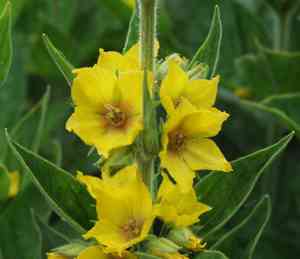
For relocating large yellow loosestrife, the ideal period is the pleasant transition from late spring to early summer. Select a spot that receives full sun or partial shade, featuring soil that drains effectively. As a helpful tip, carefully separate the root mass during transplantation to foster robust development.
What Preparations are Needed Before Transplanting Large Yellow Loosestrife?
What is the Ideal Time for Transplanting Large Yellow Loosestrife?
The optimal period for relocating large yellow loosestrife is during the shift from spring to summer. This timeframe promotes excellent growth and recovery for the plant. Moving large yellow loosestrife now allows for an extended growing season to establish roots without extreme temperature stress. Furthermore, timely replanting enhances the floral display, adding significant value to your garden!
How Much Space Should You Leave Between Large Yellow Loosestrife Plants?
To provide ample room for each large yellow loosestrife plant to develop, maintain a spacing of 12-18 inches (30-45 cm) between each transplanted specimen. This will enable them to flourish and prevent overcrowding.
What is the Best Soil Mix for Large Yellow Loosestrife Transplanting?
For large yellow loosestrife, utilize well-draining soil rich in organic matter. Incorporating compost or aged manure as a foundational fertilizer will create an appropriate environment for transplanting this plant.
Where Should You Relocate Your Large Yellow Loosestrife?
Select a site with full sun or partial shade for large yellow loosestrife. These plant varieties thrive in an area receiving at least 6 hours of daily sunlight for optimal development, so choose a bright spot in your garden.
What Equipments Should You Prepare Before Transplantation Large Yellow Loosestrife?
Gardening gloves
To safeguard your hands while handling soil and the plant.
Shovel or spade
For excavating holes and lifting the plant from its original position.
Garden trowel
For digging smaller holes and refining the planting area.
Pruning shears
To trim any damaged roots or stems prior to transplanting.
Watering can or hose
For hydrating the plant before and after relocation.
Mulch, compost, or organic matter
To enrich the transplanting hole and improve soil structure for enhanced root growth.
How Do You Remove Large Yellow Loosestrife from the Soil?
How Do You Remove Large Yellow Loosestrife from the Soil?
From Ground: First, moisten the large yellow loosestrife plant to dampen the soil. Next, dig a wide trench around the plant using a shovel or spade, ensuring the plant's root ball remains intact. Carefully work the spade beneath the root ball to lift the plant from its initial location.From Pot: Water the large yellow loosestrife plant thoroughly to aid in releasing the roots from the container. Turn the pot on its side, and gently tap its edge or roll it to loosen the soil. Grasp the plant's base firmly and carefully slide it out of the pot, taking care not to pull or harm the roots.From Seedling Tray: Water the seedlings to moisten the soil. Gently push the bottom of the seedling cell to release the roots and soil, then carefully lift the large yellow loosestrife seedling by the stem's base, avoiding contact with delicate root fibers.
Step-by-Step Guide for Transplanting Large Yellow Loosestrife
Preparation
Examine the large yellow loosestrife plant for any compromised roots or stems. Trim them with pruning shears to promote healthy development.
Hole Digging
Excavate a hole twice the width and depth of the root ball or container to allow for proper root expansion and space.
Soil Mix
Combine the removed soil with compost, mulch, or organic matter to create a nutrient-rich blend for improved root development.
Placing the Plant
Position the large yellow loosestrife plant into the hole, ensuring the top of the root ball is level with the surrounding ground.
Filling the Hole
Gently backfill the hole with the prepared soil mixture, carefully compacting it around the root ball to eliminate air pockets.
Watering
Thoroughly water the large yellow loosestrife plant, ensuring consistent moisture throughout the transplanted area.
Mulching
Apply a layer of mulch around the plant's base to help retain moisture and regulate soil temperature.
How Do You Care For Large Yellow Loosestrife After Transplanting?
Watering
Keep the soil around the large yellow loosestrife consistently moist, but not waterlogged, for the initial weeks post-transplant to establish robust roots.
Pruning
Trim back any yellowing or wilting stems to encourage vigorous growth and an appealing appearance.
Pest Management
Regularly inspect for pests or diseases, and address them appropriately to maintain the plant's overall vitality.
Fertilizing
Apply a balanced, slow-release fertilizer to the transplant area according to package instructions to support the large yellow loosestrife plant's ongoing growth and health.
Troubleshooting Common Issues with Large Yellow Loosestrife Transplantation.
When is the most suitable time for transplanting large yellow loosestrife?
The prime season for relocating large yellow loosestrife is late spring or early summer. This provides the plant ample time to acclimate to its new environment.
What should be the ideal distance between large yellow loosestrife when planting?
For optimal growth and visual appeal, maintain a spacing of 12-18 inches (approximately 30-46 cm) between each large yellow loosestrife. This ensures sufficient room for them to thrive and flourish.
Why are my transplanted large yellow loosestrife's leaves wilting?
Wilting can occur due to transplant shock, often caused by insufficient watering after relocation. Water generously immediately after transplanting large yellow loosestrife and maintain consistent watering thereafter.
Why is my large yellow loosestrife not growing even after transplanting at the right time and space?
Transplanted large yellow loosestrife requires nutrient-rich soil to grow. Incorporating organic compost or fertilizer into the transplant site may help stimulate growth.
How deep should I plant my transplanted large yellow loosestrife?
Excavate a hole deep enough to fully cover the root ball. Typically, it should match the height of the root system, providing the large yellow loosestrife substantial support.
How much sunlight does a transplanted large yellow loosestrife require?
Large yellow loosestrife thrives in sun! An area receiving at least 6 hours of direct sunlight daily is ideal. However, it can tolerate partial shade if necessary.
Can the large yellow loosestrife be transplanted to a pot from ground?
Absolutely! Large yellow loosestrife can be moved to a pot. Ensure the container has good drainage and fill it with a mix of potting soil and compost for healthy development.
Why are the flowers on the transplanted large yellow loosestrife not blooming?
Insufficient sunlight or space, poor soil nutrients, or improper watering can impede blooming. Ensure the large yellow loosestrife receives appropriate care after transplanting.
Is it possible to transplant a mature large yellow loosestrife?
Yes, mature large yellow loosestrife can be relocated, but exercise extra caution to minimize damage to the root system. Water generously before and after moving to alleviate transplant shock.
Can the large yellow loosestrife survive in dry conditions after being transplanted?
While large yellow loosestrife can endure various conditions, it prefers moist soil. Should dry conditions persist, ensure consistent watering and perhaps provide shade for the plant.



