How to Transplant Creeping jenny?
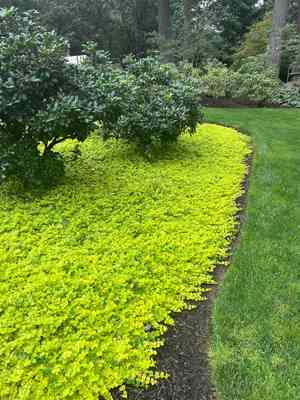
For a flourishing creeping jenny, relocate it during the optimal period: early spring, or preferably, as fresh shoots appear. Select a site featuring adequately drained earth and exposure to partial or full sunlight. Should it be required, additional advice on transplanting techniques can be supplied. Enjoy your transplanting process!
What Preparations are Needed Before Transplanting Creeping Jenny?
What is the Ideal Time for Transplanting Creeping Jenny?
The best time to move creeping jenny is during its initial spring growth. This period offers mild temperatures and ample moisture, encouraging robust development. Relocating creeping jenny in early spring gives it a head start, fostering strong growth and vibrant blooms. This also boosts its survival chances as consistent spring moisture aids root establishment.
How Much Space Should You Leave Between Creeping Jenny Plants?
When transplanting creeping jenny, it's advisable to space plants 6-12 inches (15-30 cm) apart. This spacing ensures ample room for them to spread and thrive effectively.
What is the Best Soil Mix for Creeping Jenny Transplanting?
To prepare the soil for creeping jenny, use damp, well-draining soil rich in organic matter. Incorporate some slow-release granular fertilizer to supply essential nutrients and support initial growth.
Where Should You Relocate Your Creeping Jenny?
Select a spot that receives partial shade or filtered sunlight, as creeping jenny thrives in these conditions. Avoid intense, direct sun exposure, which can scorch leaves and impede the plant's development.
What Equipments Should You Prepare Before Transplantation Creeping Jenny?
Gardening Gloves
To safeguard your hands while handling soil and creeping jenny.
Shovel or Spade
For extracting the plant from its original spot and excavating a hole at the new location.
Garden Fork
To help loosen the soil at the new site, assisting root development post-transplant.
Watering Can or Hose
To hydrate the plant both prior to and following transplantation.
Pruning Shears
To trim any damaged roots or excess foliage before relocating.
Wheelbarrow
For moving the creeping jenny from its initial position to the new site if the plant is large or heavy.
Mulch
To aid in retaining soil moisture around the creeping jenny after it has been transplanted.
How Do You Remove Creeping Jenny from the Soil?
How Do You Remove Creeping Jenny from the Soil?
From Ground: Start by watering the creeping jenny plant to moisten the soil. Using a spade or shovel, dig a wide trench around the plant, ensuring the root ball remains undamaged. Gently lift the plant from the ground, keeping the root ball intact. If needed, use a wheelbarrow for transport.From Pot: Water the plant thoroughly to dampen the soil within the pot. Turn the pot sideways and carefully ease the plant out, maintaining the integrity of the root ball.From Seedling Tray: If the creeping jenny is in a seedling tray, water it well and carefully remove it from the tray, ensuring minimal damage to the roots.
Step-by-Step Guide for Transplanting Creeping Jenny
Preparation
Begin by preparing the new location. Use a garden fork to loosen the soil where you intend to transplant the creeping jenny.
Digging
Excavate a hole that is twice as wide and as deep as the creeping jenny's root ball using a shovel.
Transplanting
Carefully place the creeping jenny into the prepared hole, ensuring it sits at the same depth as in its original spot. Backfill the hole with the loosened soil.
Watering
Lightly water the plant to settle the soil around its roots. Be cautious not to overwater, as this can lead to root rot.
Mulching
Finally, spread some mulch around the base of the creeping jenny to help conserve moisture.
How Do You Care For Creeping Jenny After Transplanting?
Watering
Water the creeping jenny consistently, especially during the initial weeks post-transplant. However, avoid excessive watering to prevent root diseases.
Pruning
Trim any dead or dying foliage to enhance the creeping jenny's growth and appearance.
Monitoring
Observe the creeping jenny for any indications of transplant shock, such as wilting or yellowing leaves. Consult a local nursery or garden center if these symptoms persist.
Refrain from Fertilizing
It might be tempting to provide nutrients to the creeping jenny soon after transplanting. However, postpone any fertilization for at least a couple of weeks to avoid stressing the roots.
Troubleshooting Common Issues with Creeping Jenny Transplantation.
When is the best time to transplant creeping jenny?
Early spring is ideal for relocating creeping jenny. This allows the plant time to establish itself before the warmer months.
How much spacing does creeping jenny need when transplanting?
For proper growth of creeping jenny, it requires spacing of 6-12 inches (15-30 cm). Each young plant needs its own space!
Why are the leaves of my transplanted creeping jenny turning yellow?
Yellow leaves may indicate overwatering or a nutrient deficiency. Ensure well-drained soil, prevent waterlogging, and provide adequate nutrients.
What should I do if my transplanted creeping jenny isn't growing well?
Check for sufficient sunlight and appropriate soil pH. Creeping jenny needs full or partial sunlight and well-drained soil with a pH of 6.5-7.5 to thrive.
Is it necessary to prune creeping jenny after transplanting?
Creeping jenny generally doesn't require pruning after transplant. However, if any damage occurs during relocation, remove affected parts to encourage healthy growth.
My creeping jenny is wilting after transplanting. What could be wrong?
Wilting can be due to transplant shock, insufficient watering, or extreme temperatures. Keep creeping jenny well-hydrated, especially immediately after transplanting, and try to avoid temperature extremes.
How often should I water creeping jenny after transplanting?
Initially, water creeping jenny daily until it settles into its new environment. Afterward, water consistently but ensure the soil is never soggy.
Can creeping jenny be transplanted in pots indoors?
Yes, creeping jenny adapts well to containers. Just ensure it receives ample light and the pot provides good drainage.
Why are there brown spots on my transplanted creeping jenny?
Brown spots could signal disease or sunburn. Check for proper watering, adequate sunlight, and signs of pests or illness.
What kind of soil is best for transplanting creeping jenny?
Creeping jenny prefers well-drained soil with a slightly acidic to neutral pH. Aim for a pH level of 6.5-7.5 for optimal results.



