How to Transplant Small-flower wood-rush?
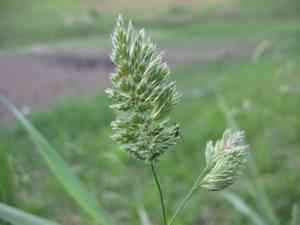
Small-flower wood-rush thrives when relocated during the pleasant warmth of early to mid-spring, benefiting from moderate temperatures. Select a site offering shade to partial shade with damp, well-draining earth for its new placement. Steer clear of overly saturated ground.
What Preparations are Needed Before Transplanting Small-flower Wood-rush?
What is the Ideal Time for Transplanting Small-flower Wood-rush?
Small-flower wood-rush, a perennial, should ideally be moved in early to mid-spring. This period provides optimal soil moisture and moderate temperatures, encouraging healthy root development. Relocating at this time boosts growth and ensures the plant adapts well to its new setting, resulting in a strong and flourishing addition to your garden.
How Much Space Should You Leave Between Small-flower Wood-rush Plants?
When relocating small-flower wood-rush, aim for a separation of approximately 12-18 inches (30-45 cm) between each plant. This spacing allows sufficient room for growth and ensures proper air circulation, lowering the risk of disease.
What is the Best Soil Mix for Small-flower Wood-rush Transplanting?
Prepare a well-draining soil mixture for small-flower wood-rush by combining garden soil with organic compost. Incorporating a slow-release, balanced fertilizer will aid the plant's root establishment and development. Ensure the soil pH is around 5.5 to 6.5.
Where Should You Relocate Your Small-flower Wood-rush?
Select a spot for small-flower wood-rush that receives partial to full shade. These plants flourish in areas with filtered or dappled sunlight, making them perfect for locations beneath trees or along shaded garden paths.
What Equipments Should You Prepare Before Transplantation Small-flower Wood-rush?
Gardening Gloves
To safeguard your hands while handling soil and plants.
Spade or Shovel
To dig around and lift the plant.
Trowel
For more precise digging and related tasks.
Watering Can
To hydrate the plant before and after relocation.
Garden Fork
To loosen the soil around the plant if necessary.
Bucket
To transport the plant if required.
Compost
To enrich the soil in the new location.
Mulch
To help maintain soil moisture around the small-flower wood-rush after transplanting.
How Do You Remove Small-flower Wood-rush from the Soil?
How Do You Remove Small-flower Wood-rush from the Soil?
From Ground: First, thoroughly water the small-flower wood-rush plant to moisten the soil. Using a spade or shovel, dig a wide trench around the plant, ensuring you do not harm the root ball. Gently lift the plant from the ground, taking care to keep as much soil around the roots as possible.From Pot: Water the plant well before extracting it from the pot. Invert the pot and gently tap the bottom while supporting the plant with your other hand. Carefully slide the plant out of the pot, keeping the root ball intact.From Seedling Tray: Water the plants in the seedling tray. Use a trowel or your hands to carefully lift each seedling from the tray. Handle them by the leaves, not the stems, to prevent damage. Keep the soil around the roots intact if possible.
Step-by-Step Guide for Transplanting Small-flower Wood-rush
Site Preparation
Prepare the new location by digging a hole that is twice as wide and equally deep as the root ball of the small-flower wood-rush. Add compost to the hole to enrich the soil.
Transplanting
Place the small-flower wood-rush plant in the new hole. Ensure the top of the root ball is level with the surrounding soil surface. Fill in the hole with soil, pressing gently to remove air pockets.
Watering
After placing and securing the plant in its new home, water it thoroughly to help settle the soil around the roots.
Mulching
Apply a layer of mulch around the base of the plant to help retain moisture and regulate soil temperature.
How Do You Care For Small-flower Wood-rush After Transplanting?
Watering
Keep the soil around the small-flower wood-rush consistently moist, but not waterlogged, for the first few weeks after transplanting to help establish strong roots.
Monitoring
Regularly inspect the plant for any indications of stress, such as wilting or yellowing foliage, and adjust care as needed.
Protection
Shield the newly transplanted small-flower wood-rush from strong winds and direct sunlight until it becomes established.
Troubleshooting Common Issues with Small-flower Wood-rush Transplantation.
When is the best time to transplant small-flower wood-rush?
The best time to transplant small-flower wood-rush is early to mid-spring when the ground is workable.
How much space should I leave between plants?
Space the small-flower wood-rush plants 12-18 inches (30-45 cm) apart for optimal growth and airflow.
What type of soil is ideal for small-flower wood-rush transplantation?
Use well-draining soil rich in organic matter for transplanting small-flower wood-rush.
How do I prepare small-flower wood-rush for transplanting?
Water thoroughly 24 hours before transplanting and gently loosen the soil around the roots.
What size should the transplant hole be for small-flower wood-rush?
Dig a hole twice the size of the root ball for the small-flower wood-rush transplant.
How often should I water small-flower wood-rush after transplanting?
Water immediately after transplanting and keep the soil consistently moist for the next few weeks.
Can I transplant small-flower wood-rush in the summer?
It's best to avoid summer transplanting due to heat stress; spring is ideal for small-flower wood-rush.
How to avoid transplant shock in small-flower wood-rush?
Transplant during cooler parts of the day and provide ample water to prevent shock.
What companion plants are good with small-flower wood-rush?
Companion plants like ferns and shade-tolerant perennials pair well with small-flower wood-rush.
Should I prune small-flower wood-rush before transplanting?
Lightly prune damaged or dead leaves before transplanting but avoid heavy pruning to reduce stress.



