How to Transplant Chinese okra?
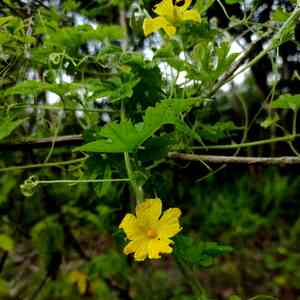
The ideal period for relocating chinese okra is as late spring's warmth transitions into the initial phase of summer, providing a mild environment for root development. Select a sunny, adequately draining spot, and bear in mind that careful manipulation is crucial to prevent root trauma.
What Preparations are Needed Before Transplanting Chinese Okra?
What is the Ideal Time for Transplanting Chinese Okra?
The optimal period for relocating chinese okra is during the warmth of late spring to early summer. This timeframe provides chinese okra with mild temperatures and extended daylight, promoting robust growth and root establishment. Moving chinese okra within this window ensures they benefit fully from summer's growth surge. Selecting this transplant time offers chinese okra a nurturing environment perfect for flourishing, aligning with its natural growth cycle for best outcomes.
How Much Space Should You Leave Between Chinese Okra Plants?
For chinese okra, position plants with a spacing of 1-2 feet (30-60 cm) apart. This guarantees each plant has sufficient room to develop and thrive. As a novice, consider this as providing each chinese okra its own area for maximum development.
What is the Best Soil Mix for Chinese Okra Transplanting?
Prepare your garden soil with a blend of rich compost and balanced organic fertilizer. Chinese okra prefers slightly acidic to neutral soil (pH 5.5-7.0). Therefore, consider testing and adjusting your soil's pH if necessary. A strong beginning encourages healthy development!
Where Should You Relocate Your Chinese Okra?
Chinese okra thrives in sunlight! Select a spot that receives at least 6 hours of direct sun daily. Your chinese okra will be most content when soaking up the full sunshine. Imagine it as choosing a cheerful, bright location for their daily sunbath.
What Equipments Should You Prepare Before Transplantation Chinese Okra?
Gardening Gloves
These are essential for protecting your hands while digging and handling the plant during the transplanting process.
Shovel or Spade
Utilized for excavating the chinese okra from its original spot and preparing the new planting hole.
Gardening Trowel
Useful for extracting smaller plants, such as young seedlings, or for more precise tasks in the garden.
Pruning Shears
You may need these to trim any dead or damaged branches or leaves prior to transplanting.
Stake and Garden Twine
Since chinese okra is a climbing plant, you must provide support for it to ascend after planting.
How Do You Remove Chinese Okra from the Soil?
How Do You Remove Chinese Okra from the Soil?
From Ground: Begin by watering the chinese okra plant to moisten the soil. Use a spade to dig a wide trench around the plant, ensuring the root ball remains intact. Gently work your spade beneath the roots and lift the entire plant, with as much soil attached to the roots as possible.From Pot: Water the pot thoroughly, then turn it on its side and carefully ease the plant and its root ball out. If the plant resists, use a trowel to loosen the soil around the pot's edges before attempting again.From Seedling Tray: Water the seedlings generously an hour before transplanting. Carefully separate the seedlings, taking care not to harm the delicate young roots. Hold the seedlings by their leaves, not their stems, as stems are very fragile.
Step-by-Step Guide for Transplanting Chinese Okra
Digging the Hole
Start by excavating a hole that is twice as wide and twice as deep as the root ball. This should provide ample space for the roots to spread.
Adding Compost
Incorporate some compost into the bottom of the hole. This will supply your chinese okra with nutrients as it begins to establish itself in its new location.
Planting
Position the chinese okra in the hole. The top of the root ball should be level with the surrounding soil. Backfill the hole and gently pat the soil down with your hand.
Installing the Support
Place the stake near the plant without harming the roots. Securely tie the plant loosely to the support using the garden twine.
Watering
Water the chinese okra generously immediately after transplanting.
How Do You Care For Chinese Okra After Transplanting?
Watering
Maintain consistent irrigation, keeping the soil moist but not waterlogged. Never allow the soil to completely dry out, as chinese okra prefers a damp environment. Adjust watering based on weather conditions and the soil's moisture level.
Mulch
Apply a layer of mulch around the base of your chinese okra. This will help retain soil moisture and suppress weed growth.
Pruning
Young chinese okra plants require minimal pruning, but once established, prune in early spring before new growth begins. Pruning aids in maintaining plant shape and encourages healthier, more vigorous development. Trim any dead or weak vines during the growing season.
Monitoring
Keep a watchful eye for pests and diseases. Early detection and intervention can save your plant from significant damage.
Troubleshooting Common Issues with Chinese Okra Transplantation.
When is the best time to transplant chinese okra?
The optimal period to transplant chinese okra is in late summer or early fall (S3-S4). Selecting the correct season helps the plant establish roots effectively.
What is the desired spacing between chinese okra plants during transplanting?
Ensure a distance of approximately 1-2 feet (30-60 cm) between each chinese okra plant. This adequate space allows each plant to grow without competing with one another.
Why is my chinese okra wilting after transplanting?
Chinese okra may wilt due to transplant shock. Keep the soil damp, avoid direct strong sunlight, and ensure moderate temperatures to aid in its recovery.
My chinese okra seems stunted. What did I do wrong?
Stunted growth can result from poor soil nutrients, insufficient water, or cold weather. Ensure you are using fertile soil, watering adequately, and protecting chinese okra from chilly drafts.
Why aren't my chinese okra plants producing fruit after transplant?
Lack of fruit can be caused by several factors including inadequate pollination, insufficient sunlight, or a nutrient imbalance. Ensure the plant receives enough sunlight and consider applying a balanced fertilizer.
How should I water chinese okra after transplantation?
Chinese okra requires frequent watering immediately after transplantation, but not to the point of saturation. Moderation is key - ample moisture without sogginess.
Why are the leaves of my chinese okra turning yellow soon after transplanting?
Yellow leaves often indicate over-watering or a deficiency in certain nutrients, such as nitrogen. Adjust your watering schedule, and consider using a balanced slow-release fertilizer.
Can I transplant chinese okra from a pot to the ground, and how?
Yes, chinese okra can be moved from a pot to the ground. Carefully remove the plant along with its root system, prepare a hole about twice the size of the rootball in your garden soil, place the plant, and backfill the hole with soil.
What is the ideal soil for chinese okra transplantation?
Chinese okra thrives in fertile, well-drained soil. Incorporate some compost or organic matter to enhance soil fertility and promote the healthy growth of chinese okra.
What care does chinese okra need after transplanting?
After transplanting, chinese okra requires moderate watering - excessive water can lead to root rot. Also, shield it from extreme temperatures and provide a balanced fertilizer for healthy growth and abundant yield.



