How to Transplant Vinegartree?
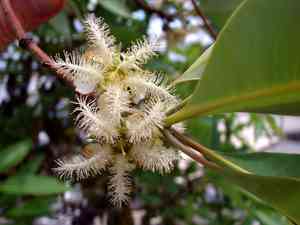
Relocate vinegartree during the milder period from late winter to early spring, which encourages vigorous development. Select locations that receive ample sunlight and have good drainage. Applying mulch after transplanting can assist in preserving moisture and safeguarding the roots.
What Preparations are Needed Before Transplanting Vinegartree?
What is the Ideal Time for Transplanting Vinegartree?
The best time to move vinegartree is at the start of spring, specifically early to mid-spring. This period offers mild weather, which aids in robust root development without the stress of extreme temperatures. Transplanting vinegartree during this season leverages increasing daylight and warmth, both beneficial for growth. Soil moisture levels are typically more favorable then, reducing transplant shock. This ensures vinegartree has ample time to adapt to its new spot and thrive throughout the growing season.
How Much Space Should You Leave Between Vinegartree Plants?
Allow each vinegartree ample room to grow. A general guideline is to maintain a distance of approximately 10-15 feet (3-4.5 meters) between individual plants. This provides sufficient space for their development without overcrowding.
What is the Best Soil Mix for Vinegartree Transplanting?
Vinegartree thrives in soil that drains well. Prepare the ground by enriching it with a slow-release, granular base fertilizer. This will promote strong, healthy growth. Always adhere to the fertilizer's application instructions.
Where Should You Relocate Your Vinegartree?
For an optimal transplant site, choose a location where vinegartree receives abundant sunlight but is shielded from direct afternoon sun. Morning and early afternoon sun provide the most favorable conditions.
What Equipments Should You Prepare Before Transplantation Vinegartree?
Gardening Gloves
These will safeguard your hands while handling soil and the plant.
Shovel or Spade
Necessary for extracting the plant from the ground without harming the root ball if removing from the earth, and for digging a hole at the new site.
Pruning Shears
Used to trim any excess or dead branches or roots prior to transplanting.
Garden Hose or Watering Can
For hydrating the plant before, during, and after the relocation process.
Wheelbarrow or Plant Pot
To transport the plant from its original spot to the new destination.
Mulch
To help maintain soil moisture around the plant following transplantation.
How Do You Remove Vinegartree from the Soil?
How Do You Remove Vinegartree from the Soil?
From Ground: First, water the vinegartree plant to moisten the soil. Soft soil will facilitate easier removal. Next, dig a wide trench around the plant using a shovel or spade, ensuring the plant's root ball remains intact. Carefully work the spade beneath the root ball to lift the plant from the ground without damaging the roots. Place the plant in a wheelbarrow or a large pot for transport to its new location.From Pot: Before starting, water the plant thoroughly. Gently turn the pot on its side and carefully push the plant out. You may need to lightly tap the pot's bottom to help release the plant. If it's stuck, use a kitchen knife to cut around the pot's inner edge to loosen the root ball.From Seedling Tray: Water the tray carefully. Then, use a spoon or a small tool to lift the seedling from the tray, attempting to keep a small amount of soil around the roots to minimize transplant stress.
Step-by-Step Guide for Transplanting Vinegartree
Preparation
Ensure your new planting site is ready. The hole should be dug to approximately twice the width of the vinegartree plant's root ball. The bottom of the hole should be loosened with a garden fork.
Transplantation
Position the vinegartree tree in the center of the hole, making sure the top of the root ball is level with the surrounding soil. Then, gradually backfill the hole, firming the soil around the roots. Once the hole is filled, water the tree thoroughly to help settle the soil around the roots.
Mulching
After the transplant is complete, apply a layer of mulch around the base of the vinegartree tree. This will help retain moisture in the soil, which is crucial for the plant's recovery and growth.
How Do You Care For Vinegartree After Transplanting?
Watering
During the initial weeks, keep the soil around the vinegartree consistently damp, but not waterlogged, to aid in establishing a strong root system.
Pruning
Pruning is generally not needed immediately after transplanting, but if the tree shows signs of distress or has damaged branches, light trimming can be beneficial.
Monitoring
Observe your vinegartree tree closely, especially for the first few weeks. Watch for wilting leaves or indications of disease or pests. Regularly check the soil's moisture levels.
Patience
Remember, plants typically require time to adapt to a new environment. With proper care and attention, your vinegartree tree should flourish in its new location over time.
Troubleshooting Common Issues with Vinegartree Transplantation.
When is the best time to transplant vinegartree?
The optimal period to move vinegartree is during seasons S1-S2. This aids the plant in successfully adapting to its new environment.
What is the correct spacing for vinegartree during transplantation?
Be sure to maintain a distance of about 10-15 feet (3-4.5m) between vinegartree saplings. This spacing provides ample room for the plant's growth.
Why are the leaves on my transplanted vinegartree wilting?
Wilting can be a symptom of transplant shock. Keep the soil consistently moist, not soggy, and avoid placing vinegartree in direct, hot sunlight after transplanting.
What's the ideal soil type for transplanting vinegartree?
Vinegartree tends to thrive in well-drained, fertile soils. Incorporating a small amount of compost into the transplant hole can give the roots a good start.
How deep should the transplant hole for vinegartree be?
The hole should be twice as wide and equal in depth to the pot it was previously in, allowing the roots ample space to spread.
What if my transplanted vinegartree is growing too slowly?
This could indicate insufficient nutrients or light. Ensure vinegartree is in a well-lit location and consider adding a slow-release fertilizer.
How much should I water vinegartree after transplantation?
After transplanting, water vinegartree deeply, ensuring the water penetrates the soil and reaches the roots. Afterward, keep the soil consistently moist.
How important is sunlight for vinegartree after transplantation?
Vinegartree requires abundant sunlight for photosynthesis. After transplantation, ensure it's placed in an area with significant daylight hours.
What if insects are infesting my vinegartree after transplantation?
Use an eco-friendly pesticide to manage the insects. Remember, transplanting vinegartree can stress it, making it more vulnerable to pests.
Can I prune the vinegartree immediately after transplantation?
Avoid pruning right after transplantation as vinegartree needs all its leaves for photosynthesis. Wait until the plant is fully established in its new location.



