How to Transplant Trumpet honeysuckle?
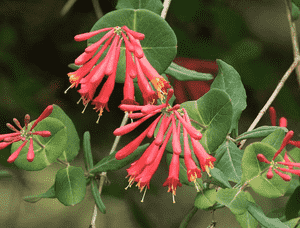
The most favorable period for relocating Lonicera sempervirens is from mid-spring through early summer, as this timeframe presents perfect temperatures and circumstances for a thriving transfer. Select a site with good drainage that receives partial to full sunlight, and ensure sufficient room for its substantial development. Enjoy your transplanting!
What Preparations are Needed Before Transplanting Trumpet Honeysuckle?
What is the Ideal Time for Transplanting Trumpet Honeysuckle?
The optimal period for relocating trumpet honeysuckle spans from mid-spring to early summer. The warmth during this time promotes trumpet honeysuckle's development, leading to a successful transfer. When trumpet honeysuckle is moved then, it adapts better to its new environment, resulting in a vibrant, thriving plant. It's truly the best time for a splendid trumpet honeysuckle transplant!
How Much Space Should You Leave Between Trumpet Honeysuckle Plants?
When transplanting trumpet honeysuckle, position the plants approximately 10-20 feet (3-6 meters) apart. This spacing ensures ample room for growth and maintains their aesthetic appeal in your garden.
What is the Best Soil Mix for Trumpet Honeysuckle Transplanting?
Prepare the soil for trumpet honeysuckle using well-draining, loamy or sandy soil. To give the plant an excellent start, incorporate organic matter such as compost or aged manure, and add a slow-release, balanced fertilizer (e.g., 10-10-10).
Where Should You Relocate Your Trumpet Honeysuckle?
Select a site where trumpet honeysuckle will receive full sun to partial shade. Ideally, aim for at least 6 hours of direct sunlight daily. An area with some afternoon shade would be perfect to shield it from intense midday sun.
What Equipments Should You Prepare Before Transplantation Trumpet Honeysuckle?
Gardening Gloves
To safeguard your hands while handling soil and the trumpet honeysuckle plant.
Shovel or Spade
For excavating holes and extracting the plant from its initial spot.
Pruning Shears
For trimming any damaged or overgrown trumpet honeysuckle stems during the relocation process.
Measuring Tape
To determine the correct planting distance between trumpet honeysuckle plants.
Watering Can or Hose
For hydrating the trumpet honeysuckle plant before and after its transfer.
Mulch
To aid in retaining soil moisture and inhibiting weed growth around the trumpet honeysuckle plant.
Garden Trowel
For transplanting smaller trumpet honeysuckle plants and making minor adjustments to the planting cavity.
How Do You Remove Trumpet Honeysuckle from the Soil?
How Do You Remove Trumpet Honeysuckle from the Soil?
From Ground: First, moisten the trumpet honeysuckle plant to soften the soil. Then, excavate a wide trench around the plant using a shovel or spade, ensuring the plant's root ball remains intact. Carefully work the spade beneath the root ball to lift the plant from its original position.From Pot: Water the trumpet honeysuckle plant thoroughly to loosen the soil. Gently tilt the pot on its side, and carefully slide the plant out by holding the base of the plant, keeping the root ball as undisturbed as possible.From Seedling Tray: For young trumpet honeysuckle plants in a seedling tray, gently push the seedling up from the bottom of the tray while supporting the stem with your other hand. Be careful not to harm the delicate roots.
Step-by-Step Guide for Transplanting Trumpet Honeysuckle
Planting Time
Relocate the trumpet honeysuckle in early spring or fall, when temperatures are cool and the plant is not actively growing.
Hole Preparation
Dig a hole that is twice as wide and as deep as the trumpet honeysuckle's root ball.
Plant Spacing
Space the trumpet honeysuckle plants approximately 36 inches apart to allow for sufficient air circulation and development.
Placing the Plant
Gently lower the trumpet honeysuckle plant into the hole, ensuring it sits at the same soil level as it was in its previous location.
Backfilling
Carefully refill the hole with soil, gently pressing down to eliminate air pockets, keeping the trumpet honeysuckle plant upright.
Watering
Generously water the trumpet honeysuckle plant to settle the soil and aid in root establishment.
Mulching
Apply a layer of mulch around the base of the trumpet honeysuckle plant to help retain moisture and suppress weeds.
How Do You Care For Trumpet Honeysuckle After Transplanting?
Watering
Keep the soil around the trumpet honeysuckle consistently moist, but not waterlogged, for the initial weeks after transplanting to help establish strong roots.
Pruning
Prune trumpet honeysuckle plants in late winter or early spring to encourage new growth and maintain a desired form.
Pest Control
Monitor the trumpet honeysuckle for aphids and other pests, using insecticidal soap or other suitable treatments if necessary.
Support
Provide support, such as a trellis or fence, for the trumpet honeysuckle to climb and spread as it matures.
Frost Protection
In colder climates, shield the trumpet honeysuckle plant from frost using a frost blanket, or temporarily move container-grown plants indoors during severe cold periods.
Troubleshooting Common Issues with Trumpet Honeysuckle Transplantation.
What is the best time of year to transplant trumpet honeysuckle?
The ideal time to move trumpet honeysuckle is during the mild months, specifically from mid-spring to early summer. This allows the plant to establish roots before winter.
How should I prepare the ground for trumpet honeysuckle transplantation?
Ensure the ground is thoroughly cultivated and free of weeds. Then, add ample amounts of compost to enrich the soil and ensure optimal growth after transplantation.
How many feet apart should trumpet honeysuckle be planted?
Generally, trumpet honeysuckle should be positioned between 10 and 20 feet apart (3-6 meters). This ensures they have sufficient space to grow and bloom.
What depth hole should I dig for transplanting trumpet honeysuckle?
Excavate a hole twice as wide and just as deep as the root ball. This provides enough room for the newly transplanted plant to spread its roots.
How often should I water trumpet honeysuckle after transplanting?
Keep the soil consistently moist, but not saturated. Immediately after transplanting, trumpet honeysuckle may require daily watering until it develops a strong root system.
Why are the leaves on my trumpet honeysuckle turning yellow after transplant?
Yellowing can result from overwatering, underwatering, or a deficiency of certain nutrients. Adjust the watering schedule and consider adding a suitable fertilizer.
What if my trumpet honeysuckle doesnât seem to be growing after transplanting?
Patience is crucial! It might be directing energy towards forming strong roots. But if no growth occurs within a few weeks, re-evaluate your care routine and seek expert advice.
Does trumpet honeysuckle require any special care after being transplanted?
After transplanting, ensure trumpet honeysuckle is well-hydrated and receives ample sunlight. An occasional application of balanced fertilizer can also support healthy growth.
Are trumpet honeysuckle prone to any particular pests or diseases after transplanting?
Trumpet honeysuckle are quite resilient, though like any plant, they are susceptible to pests and disease. If you observe signs of either, promptly treat with an organic pesticide or fungicide.
What to do if the transplanted trumpet honeysuckle appears to be wilting?
Wilting can indicate stress or shock. Ensure it's receiving adequate but not excessive water, protect it from harsh conditions, and allow it time to recover.



