How to Transplant Grape honeysuckle?
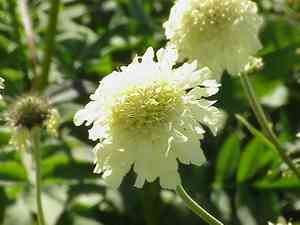
For Lonicera prolifera, the ideal period for relocation is from late spring through mid-summer, promoting robust development. Select sites that receive partial sunlight to filtered shade, and ensure the soil is consistently damp yet drains effectively to accommodate this lush specimen.
What Preparations are Needed Before Transplanting Grape Honeysuckle?
What is the Ideal Time for Transplanting Grape Honeysuckle?
The best time to move grape honeysuckle is from late spring to early summer. During this period, the mild weather helps roots establish without the stress of intense summer heat. Transplanting grape honeysuckle then promotes robust growth, allowing the plant to settle comfortably before summer. This gentle transition ensures grape honeysuckle flourishes in its new spot as warmer months encourage its development.
How Much Space Should You Leave Between Grape Honeysuckle Plants?
When relocating grape honeysuckle, allow sufficient room for development by spacing each plant approximately 4-6 feet (1.2-1.8 meters) apart. This provides your plants with the necessary area to thrive.
What is the Best Soil Mix for Grape Honeysuckle Transplanting?
Prepare the soil to be well-draining yet capable of retaining moisture. Grape honeysuckle prefers rich, loamy soil, so incorporate compost or a foundational fertilizer to give it a strong start.
Where Should You Relocate Your Grape Honeysuckle?
Choose a sunny spot for your grape honeysuckle, as they require bright, indirect sunlight. Partial shade in the afternoon will be beneficial, allowing them to absorb sun without scorching.
What Equipments Should You Prepare Before Transplantation Grape Honeysuckle?
Gardening Gloves
To shield your hands while handling soil and plants.
Shovel or Utility Knife
For extracting the plant from its original site and preparing the new planting hole.
Pruning Shears
These might be needed if the grape honeysuckle has extensive roots that require trimming prior to transplanting.
Garden Hose or Watering Can
For hydrating the grape honeysuckle before and after planting.
Spade or Trowel
Perfect for digging small holes and removing excess soil.
Grow Bags
If you're moving the grape honeysuckle from a nursery or container, it might be housed in a grow bag.
How Do You Remove Grape Honeysuckle from the Soil?
How Do You Remove Grape Honeysuckle from the Soil?
From Ground: Start by watering the grape honeysuckle plant to moisten the soil. Next, dig a trench around the plant's root ball using a shovel or spade, ensuring the root ball remains intact. Gently pry the spade beneath the root ball to lift the plant from its initial location.From Pot: First, water the grape honeysuckle plant. Invert the pot while supporting the soil surface. Tap the bottom and sides of the pot to loosen the plant. Avoid pulling the plant, as this could harm the roots. The plant should slide out easily with the soil.From Seedling Tray: Water the grape honeysuckle plant so the root ball is damp. Carefully hold the plant at its base and flip the seedling tray, or use a spoon to extract the seedling from its cell. It's crucial to prevent root damage during this process.
Step-by-Step Guide for Transplanting Grape Honeysuckle
Plant Preparation
If roots have formed a dense mass or are circling the base, use pruning shears to trim them. This will encourage new growth and prevent continued circular development.
Digging The Hole
Excavate a hole twice as wide as the grape honeysuckle's root ball and equally deep. The broad hole loosens the soil, facilitating root spread.
Replanting
Position the grape honeysuckle centrally in the hole, ensuring it sits at the same depth as it did previously. Gradually backfill the hole with soil, gently firming it around the base of the grape honeysuckle.
Watering
Thoroughly water the grape honeysuckle after planting to settle the soil and give the plant a good start in its new environment.
How Do You Care For Grape Honeysuckle After Transplanting?
Regular Watering
Typically, grape honeysuckle requires about 1 inch of water weekly. Adjust as needed for rainfall, and remember that deep, less frequent watering is preferable.
Pruning
Grape honeysuckle may need pruning to maintain its size and shape, promote blooming, and enhance air circulation. Prune grape honeysuckle after it has finished flowering, ideally in late winter or early spring.
Pest and Disease Monitoring
Watch for common pests like aphids and signs of disease. Contact a local extension service for advice if you notice any unusual symptoms.
Mulching
Applying a layer of mulch around the grape honeysuckle, but not touching the stem, can help retain soil moisture, regulate temperature, and suppress weed growth.
Troubleshooting Common Issues with Grape Honeysuckle Transplantation.
When is the best time to transplant grape honeysuckle?
The optimal period to transplant grape honeysuckle is between late summer and early fall (S3-S5). This allows the plant sufficient time to establish roots before winter.
What's the most suitable spacing for grape honeysuckle while transplanting?
When transplanting grape honeysuckle, ensure a spacing of 4-6 feet (1.2-1.8m) between each plant. This provides ample room for healthy growth and prevents overcrowding.
What type of soil is recommended for grape honeysuckle during transplantation?
Grape honeysuckle thrives in well-drained and fertile soil. Be sure to enrich your garden soil with compost or organic matter if it is too sandy or clayey.
How deep should I dig the hole for transplanting grape honeysuckle?
When transplanting grape honeysuckle, dig a hole that is twice the width and the same depth as the plant's root ball. This offers plenty of space for root expansion.
How secure should grape honeysuckle be in its new location after transplantation?
Grape honeysuckle should be firmly positioned in its new spot but not excessively tight. Ensure the top of the root ball is level with the ground surface.
What kind of watering routine should follow post-transplanting grape honeysuckle?
After transplanting, thoroughly water grape honeysuckle and keep the soil moist but not waterlogged. Consistent watering is vital during the initial weeks until the plant establishes itself.
What to do if leaves of grape honeysuckle turn yellow after transplanting?
If grape honeysuckle's leaves yellow after transplanting, it might indicate overwatering or nutrient deficiency. Check the soil's moisture level and adjust your watering or fertilizing schedule accordingly.
Can grape honeysuckle thrive in full sun after being transplanted?
Yes, grape honeysuckle can flourish in full sun, but it also tolerates partial shade. Ensure it receives at least six hours of direct sunlight daily for optimal growth.
Should I prune grape honeysuckle post-transplanting, and if so, when?
After transplanting grape honeysuckle, wait until early spring to prune it. This promotes better growth by removing dead, damaged, or overcrowded branches.
How should I protect newly transplanted grape honeysuckle from pests or diseases?
Regularly inspect grape honeysuckle for signs of pests or disease. Employ appropriate pest control methods or fungicides if you observe any symptoms, ensuring a healthy environment for your plant.



