How to Transplant European honeysuckle?
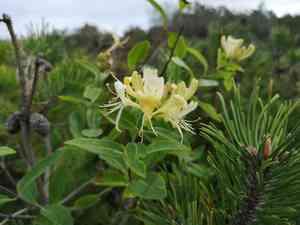
The most favorable period for relocating European honeysuckle is from the start to the end of spring, as fresh shoots emerge. Select a spot that receives partial shade and has soil that drains effectively. Should it be required, enhance the soil with organic matter prior to the transplant for superior outcomes.
What Preparations are Needed Before Transplanting European Honeysuckle?
What is the Ideal Time for Transplanting European Honeysuckle?
Optimally, european honeysuckle should be moved from early to late spring, as the period of thawing frost promotes its development. This prime season ensures vigorous growth and allows european honeysuckle to withstand winter with established root systems. An early spring relocation sets european honeysuckle up for maximum vitality and abundant blooms!
How Much Space Should You Leave Between European Honeysuckle Plants?
To provide your european honeysuckle plants with ample room to flourish, position them approximately 3 feet (91 cm) apart. This spacing allows for sufficient root expansion and air circulation.
What is the Best Soil Mix for European Honeysuckle Transplanting?
For european honeysuckle, prepare a well-draining soil blend featuring loam and compost. Incorporate a slow-release, balanced granular fertilizer to supply essential nutrients. Adhere to package directions for correct application rates.
Where Should You Relocate Your European Honeysuckle?
Transplant your european honeysuckle to a site that receives full sun to partial shade, ensuring it gets at least 6 hours of sunlight daily. Filtered light beneath a tree canopy is also a suitable spot for these plants.
What Equipments Should You Prepare Before Transplantation European Honeysuckle?
Gardening Gloves
To shield your hands from cuts and dirt while handling the european honeysuckle plant.
Garden Trowel
Perfect for excavating soil when extracting the plant and digging a new hole.
Garden Spade
This proves useful when relocating a larger european honeysuckle plant, necessitating a bigger excavation.
Watering Can
Needed to irrigate the plant following transplantation.
Garden Fork
Utilized for blending compost or organic material into the planting hole.
Compost or Organic Matter
To enrich the new soil where the european honeysuckle will be transplanted, aiding root establishment and growth.
How Do You Remove European Honeysuckle from the Soil?
How Do You Remove European Honeysuckle from the Soil?
From Ground: Begin by thoroughly watering the european honeysuckle plant to minimize transplant shock and make the soil easier to manage. Then, using a trowel or spade, depending on plant size, carefully dig a circle around the plant. Ensure you are far enough from the plant to avoid damaging major roots. Next, gently dig beneath the root ball and lift the plant from the ground.From Pot: If the european honeysuckle is in a container, turn it on its side, hold it gently by the stems or leaves, and tap the bottom of its pot until the plant slides out. If the roots are densely matted, carefully untangle them.From Seedling Tray: Hold the european honeysuckle plant by its leaves to gently pry it out, as pulling will harm the stem and roots. Make sure to keep the root system and soil intact during this process.
Step-by-Step Guide for Transplanting European Honeysuckle
Preparation
Prepare the new planting hole for the european honeysuckle to be transplanted, making it about twice as wide as the root ball and equally deep. Enrich the soil in the hole with compost or organic matter using a garden fork.
Placing The Plant
Position the european honeysuckle plant in the hole, verifying its height is similar to its previous location. The roots should spread out freely and not be constricted.
Fill The Hole
Backfill with the enriched soil, ensuring there are no air pockets around the roots.
Water
Immediately after transplanting, water the european honeysuckle plant generously to settle the soil around it.
How Do You Care For European Honeysuckle After Transplanting?
Watering
Post-transplant, it's crucial to keep the soil consistently moist around the european honeysuckle. Water the plant slowly to ensure proper absorption, rather than runoff from the surface.
Mulching
Apply mulch around the plant's base to help retain soil moisture and suppress weeds. Use organic materials such as wood chips, compost, or straw.
Pruning
If the european honeysuckle plant exhibits signs of wilting after transplanting, you might need to trim some of its larger leaves to reduce water loss. Be careful not to remove too many leaves, as the plant requires them to generate energy for its growth.
Troubleshooting Common Issues with European Honeysuckle Transplantation.
When's the best time to transplant european honeysuckle?
Early to late spring is the optimal period for relocating european honeysuckle. The mild weather during these seasons aids new growth and recovery.
What distance should I maintain between two european honeysuckle plants when transplanting?
A spacing of approximately 3 feet (about 1 meter) between each european honeysuckle is advised. This provides each plant ample room to grow and spread properly.
Can I transplant european honeysuckle in hot summer?
It's best to avoid transplanting european honeysuckle in hot summer as it may stress the plant. Stick to early to late spring which offers more favorable conditions for european honeysuckle.
What's the best soil type for european honeysuckle when transplanting?
European honeysuckle thrives in well-drained, fertile soil. Before transplanting, amend the soil with organic matter to boost nutrient content and improve drainage.
Can I transplant european honeysuckle in containers?
Yes, european honeysuckle adapts well to pot cultivation. Ensure the container is at least 10 inches (25 cm) in diameter and has drainage holes to prevent waterlogging.
How should I water european honeysuckle after transplanting?
European honeysuckle should be thoroughly watered immediately after transplanting. Continue regular watering but avoid overwatering, as it can lead to root rot.
What care measures should I follow after transplanting european honeysuckle?
After transplanting, water european honeysuckle regularly, apply mulch to conserve moisture, and shield it from extreme temperatures. Remember to fertilize with a balanced product during the growing season.
Can I transplant european honeysuckle in shaded areas?
European honeysuckle can tolerate partial shade, but for optimal results, transplant it in a location with full sun to ensure the plant's vigorous growth.
Why are my transplanted european honeysuckle leaves turning yellow?
Yellowing leaves could indicate insufficient or excessive watering, nutrient deficiency, or unsuitable soil pH. Adjust watering practices and consider a soil test to confirm the cause.
How to handle root damage when transplanting european honeysuckle?
If roots are damaged during transplanting, trim back the broken sections. A clean cut will help the plant recover and efficiently grow new roots.



