How to Transplant Amur honeysuckle?
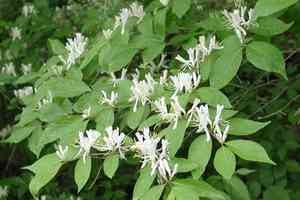
The ideal period for relocating amur honeysuckle is from late spring through mid-summer, when temperatures are mild and root systems can properly settle. Select a spot that receives full sun or partial shade, featuring soil that drains effectively, for optimal outcomes. Bear in mind that attentive nurturing significantly contributes to your plant's flourishing.
What Preparations are Needed Before Transplanting Amur Honeysuckle?
What is the Ideal Time for Transplanting Amur Honeysuckle?
The best time to move amur honeysuckle is from late spring to mid-summer. This period allows ample development and establishes a robust root system, enhancing your garden with its vibrant appeal.
How Much Space Should You Leave Between Amur Honeysuckle Plants?
For amur honeysuckle transplantation, a spacing of about 15-20 feet (4.5-6 meters) is optimal. This distance promotes proper growth, prevents crowding, and ensures good air circulation.
What is the Best Soil Mix for Amur Honeysuckle Transplanting?
To prepare the soil for amur honeysuckle, use well-drained, loamy soil, incorporating a slow-release fertilizer like a 10-10-10 blend. This supplies essential nutrients for healthy development.
Where Should You Relocate Your Amur Honeysuckle?
When selecting a new spot for your amur honeysuckle, choose an area that gets full sun to partial shade. This plant thrives with 6-8 hours of daily sunlight but can also tolerate some shade. Just ensure it receives sufficient light for proper growth!
What Equipments Should You Prepare Before Transplantation Amur Honeysuckle?
Gardening gloves
To safeguard your hands while handling soil and the amur honeysuckle plant.
Shovel or spade
For excavating a hole in the ground and extracting the plant from its original spot.
Trowel
For relocating small plants and manipulating soil around the root structure.
Pruner
For trimming any dead or damaged parts of the amur honeysuckle prior to transplantation.
Watering can
To supply moisture to the plant throughout and after the transplanting process.
How Do You Remove Amur Honeysuckle from the Soil?
How Do You Remove Amur Honeysuckle from the Soil?
- From Ground:First, hydrate the amur honeysuckle plant to moisten the soil. Then, excavate a wide trench around the plant using a shovel or spade, ensuring the plant's root ball remains intact. Carefully work the spade beneath the root ball to lift the plant from its initial location.- From Pot:Water the amur honeysuckle plant to dampen the soil. Place your hand over the pot's top, with fingers gently supporting the plant stem. Invert the pot, and lightly tap the bottom and sides to release the plant and soil. Handle the root ball with care to avoid damaging the roots.- From Seedling Tray:Water the amur honeysuckle seedlings before transplanting to moisten the soil. Gently push the base of each cell to lift the seedlings out. Use a small trowel or your fingers to remove each seedling without disturbing the roots. If roots are intertwined, use a pruner to carefully separate them.
Step-by-Step Guide for Transplanting Amur Honeysuckle
Site Selection
Pick a location with adequate sunlight and room for your amur honeysuckle plant to reach its mature size.
Digging the Hole
Excavate a hole that is twice as wide and as deep as the amur honeysuckle's root ball, using a shovel or spade.
Holding the Plant
Carefully grasp the amur honeysuckle by its root ball, not the stem or leaves, to prevent damage during transplantation.
Placing the Plant
Lower the amur honeysuckle into the hole, positioning it so the top of the root ball is slightly above the surrounding soil level.
Filling the Hole
Carefully backfill the hole with soil, using your hands or a trowel to fill around the root ball without overly compacting the soil.
Heeling-In
Gently press down on the soil around the amur honeysuckle to eliminate air pockets and ensure good soil-root contact.
Watering
Thoroughly water the amur honeysuckle to help settle the soil and provide immediate moisture for the roots.
How Do You Care For Amur Honeysuckle After Transplanting?
Monitoring
Inspect the amur honeysuckle daily for the initial few weeks to confirm it's adapting well to its new environment.
Watering
Keep the soil around the amur honeysuckle consistently moist, but not waterlogged, for the first few weeks post-transplant to aid in root establishment.
Mulching
Apply a 5 cm to 3 inches layer of organic mulch around the amur honeysuckle to help retain moisture, regulate soil temperature, and suppress weeds.
Pruning
Trim any dead or damaged growth on the amur honeysuckle after transplanting to help direct energy into producing new growth.
Fertilizing
Wait at least one month after transplanting before applying any fertilizer, and adhere to the recommended feeding schedule for amur honeysuckle.
Troubleshooting Common Issues with Amur Honeysuckle Transplantation.
What is the ideal time to transplant amur honeysuckle?
The optimal period for moving amur honeysuckle is from late spring to midsummer, ensuring prime growth and establishment.
How much space should be left between amur honeysuckle plants?
Appropriate spacing for amur honeysuckle plants is 15-20 feet (4.5-6 meters) apart, allowing them to develop and spread freely.
What soil type is best for transplanting amur honeysuckle?
Amur honeysuckle thrives in well-draining, loamy soil with a pH between 6.0 and 7.0, avoiding excessively wet or dry conditions.
How deep and wide should the planting hole be?
The hole should be twice the root ball's width and the same depth, providing ample room for healthy development.
How to prevent transplant shock for amur honeysuckle?
To minimize transplant shock, water the plant thoroughly before and after moving it, and use a root stimulator on newly transplanted amur honeysuckle.
How much should I water amur honeysuckle after transplanting?
Water amur honeysuckle generously after transplanting, ensuring the soil remains consistently moist but not saturated, and adjust as needed.
What sunlight conditions do amur honeysuckle prefer?
Amur honeysuckle performs well in full sun to partial shade, but for best growth and flowering, provide at least 6 hours of daily sunlight.
How can I avoid root rot when transplanting amur honeysuckle?
To prevent root rot, plant amur honeysuckle in well-draining soil and avoid over-watering, ensuring roots get oxygen and don't suffocate.
How to protect amur honeysuckle from pests during transplant?
Inspect the plant for pests, prune any damaged sections, and apply a diluted insecticidal soap or horticultural oil to deter pests.
How long does it take for amur honeysuckle to establish after transplanting?
It typically takes 2-3 weeks for amur honeysuckle to establish roots and show new growth, but some plants may require more time.



