How to Transplant Japanese honeysuckle?
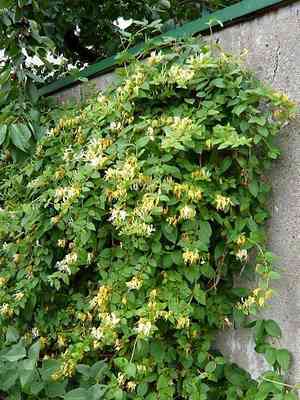
The perfect period for relocating Lonicera japonica spans from the close of spring to the middle of summer, which guarantees peak development. Select a site featuring damp, adequately draining earth and exposure to partial or complete sunlight. Emphasize adequate distance between plants for enhanced air movement, and irrigate generously following the transfer.
What Preparations are Needed Before Transplanting Japanese Honeysuckle?
What is the Ideal Time for Transplanting Japanese Honeysuckle?
The optimal period to relocate japanese honeysuckle spans from late spring to mid-summer, as warmer temperatures encourage robust root development. Moving japanese honeysuckle during this timeframe enhances its chances of flourishing, leading to a strong, vibrant display. Thus, enjoy a thriving japanese honeysuckle garden by selecting this prime transplanting season!
How Much Space Should You Leave Between Japanese Honeysuckle Plants?
When relocating japanese honeysuckle, it's crucial to provide each plant with sufficient room to expand. A good guideline is to position your plants 5-10 feet (1.5-3 meters) apart.
What is the Best Soil Mix for Japanese Honeysuckle Transplanting?
To create the perfect environment for japanese honeysuckle, utilize well-draining soil rich in organic matter. Incorporate a slow-release granular fertilizer, adhering to the product's instructions.
Where Should You Relocate Your Japanese Honeysuckle?
Select a location for your japanese honeysuckle plant that receives full or partial sunlight throughout the day, keeping in mind it requires at least 4-6 hours of sun to thrive.
What Equipments Should You Prepare Before Transplantation Japanese Honeysuckle?
Gardening Gloves
To safeguard your hands while handling soil and the plant.
Shovel or Spade
To excavate a hole for the plant and loosen its root ball.
Pruner
To trim any damaged or dead sections of the japanese honeysuckle prior to transplanting.
Watering Can or Hose
To hydrate the plant before and after its relocation.
Mulch
To aid in moisture retention and regulate soil temperature around the japanese honeysuckle.
Stakes or Supports (optional)
To offer additional stability for the japanese honeysuckle, if necessary.
How Do You Remove Japanese Honeysuckle from the Soil?
How Do You Remove Japanese Honeysuckle from the Soil?
- From Ground:First, irrigate the japanese honeysuckle plant to moisten and soften the earth. Next, excavate a wide trench around the plant using a shovel or spade, ensuring the plant's root ball remains intact. Carefully work the spade beneath the root ball to lift the plant from its original spot.- From Pot:Water the japanese honeysuckle plant and wait a few moments for the soil to soften. Place one hand at the plant's base, slightly tilting the container. Gently tap the pot's bottom and sides to dislodge the root ball. Carefully slide the plant out of the pot while supporting the root ball.- From Seedling Tray:Water the japanese honeysuckle seedlings to dampen the soil. Gently press on the soil surrounding the seedling to loosen it. Carefully lift the seedling by grasping its leaves, not the stems, and remove it from the tray.
Step-by-Step Guide for Transplanting Japanese Honeysuckle
Digging the Hole
Using a shovel or spade, excavate a hole twice as wide and as deep as the plant's root ball. This will provide ample space for the roots to spread and establish themselves in their new location.
Preparing the Hole
Loosen the soil at the bottom and sides of the hole with your shovel or hand. This facilitates easier penetration for the plant's roots to establish themselves.
Positioning the Plant
Carefully place the japanese honeysuckle plant in the hole, ensuring it sits at the same soil level as it did in its previous spot or container. Gently spread the roots within the hole.
Filling the Hole
Cover the root ball with the soil you previously removed. Gently tamp the soil around the plant's base to eliminate any air pockets.
Watering
Thoroughly water the plant to help settle the soil and create contact between the roots and the earth. Gently press down on the soil to remove any remaining air pockets.
Mulching
Apply a 2-3 inch layer of mulch around the japanese honeysuckle, leaving some space near the plant's base. This will aid in moisture retention and regulate soil temperature.
Staking (Optional)
If your japanese honeysuckle plant requires extra support, secure it to a stake or support using soft ties.
How Do You Care For Japanese Honeysuckle After Transplanting?
Watering
Keep the soil around the japanese honeysuckle consistently moist, but not waterlogged, for the initial weeks post-transplant to encourage strong root development.
Pruning
Regularly trim the japanese honeysuckle to maintain its form and remove any dead, damaged, or overgrown branches. Ensure adequate air circulation around the plant to minimize the risk of disease or pests.
Pest Control
Monitor the japanese honeysuckle for any indications of pests or diseases, and take appropriate action if necessary. Consult a local garden center or nursery for advice on the most effective treatments in your region.
Fertilizing
Apply a balanced, slow-release fertilizer around the plant's base according to package directions 4-6 weeks after transplanting. This will help promote vigorous growth and overall plant health.
Troubleshooting Common Issues with Japanese Honeysuckle Transplantation.
When is the ideal time to transplant japanese honeysuckle?
The perfect time to relocate japanese honeysuckle is during late spring to mid-summer, ensuring optimal growth.
What is the ideal spacing when transplanting japanese honeysuckle?
Allow 5-10 feet (1.5-3 meters) spacing between japanese honeysuckle plants to ensure proper growth and spread.
How deep should the hole be for transplanting japanese honeysuckle?
Dig a hole twice as wide and the same depth as the root ball, ensuring the plant's proper establishment.
What soil type works best for transplanting japanese honeysuckle?
Japanese honeysuckle thrives in well-draining, fertile soil with a pH level of 5.5-7.5. Adding organic matter can improve the soil.
How should I prepare the roots before transplanting japanese honeysuckle?
Gently loosen the roots to promote growth in the new location. Handle with care to avoid damage.
How much water should I give japanese honeysuckle after transplanting?
Water deeply so the soil is moist to a depth of 6-10 inches (15-25 cm) immediately after transplanting.
How do I control the spread of japanese honeysuckle after transplanting?
To control spreading, regularly prune japanese honeysuckle to maintain its size and prevent overgrowth in your garden.
What are some common pests and diseases to watch for after transplanting?
Watch for aphids, Japanese beetles, powdery mildew, and leaf spots. Treat with appropriate pesticides or fungicides as needed.
Do I need to fertilize japanese honeysuckle after transplanting?
Feed with a balanced, slow-release fertilizer after transplanting, and replenish it annually in early spring.
How can I ensure successful establishment of japanese honeysuckle after transplanting?
Give japanese honeysuckle ample water, monitor for pests and diseases, fertilize annually, and provide proper pruning for successful growth.



