How to Transplant Pink Honeysuckle?
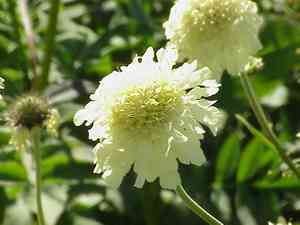
The ideal period for relocating pink Honeysuckle is from the latter part of winter through mid-spring, as this cooler timeframe encourages strong root development. Select a location offering partial shade and soil that drains effectively, replicating pink Honeysuckle's native forest environment.
Essential Preparations Before Relocating Pink Honeysuckle
Optimal Timing for Moving Pink Honeysuckle?
The perfect window for relocating pink Honeysuckle falls within its dormant phase, from late winter through early to mid-spring. This period allows pink Honeysuckle to establish its root system in cooler conditions before the spring growth spurt. Transplanting pink Honeysuckle at this time promotes robust root development and minimizes stress, ensuring vigorous and healthy growth in subsequent seasons. It's a proactive measure to guarantee your pink Honeysuckle flourishes with strength and vitality.
Recommended Spacing Between Pink Honeysuckle Plants?
Providing adequate space for pink Honeysuckle is crucial. Ideally, aim for a separation of approximately 4-5 feet (1.2-1.5 meters) between each plant. This grants them ample room to develop and thrive without competing for resources.
Best Soil Blend for Pink Honeysuckle Transplantation?
Preparing the correct soil is vital for pink Honeysuckle's success. It prefers soil that drains well and is loamy. Prior to planting, enrich the soil with a balanced base fertilizer to provide a nutrient boost to the young plants. Do this a few weeks before the move.
Where to Replant Your Pink Honeysuckle?
Pink Honeysuckle thrives in abundant sunlight, so select a spot that receives full to partial sun daily. Avoid locations shaded by structures or trees, as these will not provide the necessary light for your pink Honeysuckle to flourish.
Tools Required Before Transplanting Pink Honeysuckle?
Gardening Gloves
To safeguard your hands while handling plants and soil.
Shovel
Used for excavating holes in the ground for planting.
Garden Trowel
Perfect for carefully extracting the pink Honeysuckle plant from its pot or seedling tray.
Watering Can
For hydrating the plant both before and after its relocation.
Gardening Fork
Helpful for loosening the soil around the pink Honeysuckle plant prior to its removal.
Mulch
Applied to cover the soil around the transplanted pink Honeysuckle plant to retain moisture and inhibit weed growth.
Supports/Stakes
To provide stability for pink Honeysuckle, as it may be fragile post-transplant.
How to Extract Pink Honeysuckle from the Soil?
How to Extract Pink Honeysuckle from the Soil?
From Ground: Begin by watering the pink Honeysuckle plant to moisten the soil. Then, carefully dig a wide trench around the plant using a gardening fork or shovel, ensuring the plant's root ball remains intact. Use the trowel to gently lift the plant from underneath to minimize root damage. Be cautious not to pull on the stems or leaves when lifting.From Pot: Water the plant in its container before starting. Turn the pot sideways, hold the pink Honeysuckle plant gently by its base, and tap the bottom of the container until the plant slides out. Take care not to harm the roots during this process.From Seedling Tray: Water the seedlings first to make them moist and easier to remove. Use a trowel or a small fork to gently scoop each pink Honeysuckle seedling, being careful to retain as much of the roots as possible with the attached soil.
Step-by-Step Guide for Relocating Pink Honeysuckle
Site Preparation
Prepare the new planting location. The hole should be twice as wide and as deep as the pink Honeysuckle plant's root ball. Loosen the soil at the bottom of the hole with a garden fork.
Transplanting
Position the pink Honeysuckle plant in the hole. Ensure it is at the same depth as it was in its original spot. The top of the root ball should be level with the surrounding soil.
Filling
Backfill the hole with soil, gently firming it around the base of the pink Honeysuckle plant.
Watering
Thoroughly water the pink Honeysuckle plant. This aids in settling the soil around the root ball.
Mulching
Apply mulch around the pink Honeysuckle plant, but keep it away from the stem. This will help conserve moisture and deter weeds.
Post-Transplant Care for Pink Honeysuckle
Watering
Maintain a consistent watering regimen for your pink Honeysuckle. Regular hydration promotes strong root development. Ensure the soil is damp, but not waterlogged.
Pruning
Remove any dead or diseased branches to ensure the health and vigor of your pink Honeysuckle. This will also help maintain its form and encourage more blooms.
Staking
If your pink Honeysuckle cannot stand upright on its own, you might need to stake it for additional support until it gains strength. Be careful not to tie the plant too tightly, as this can impede growth.
Monitoring
Observe your pink Honeysuckle for any indications of stress after transplanting, such as wilting or discoloration. Some minor stress is normal, but ongoing care will maximize your pink Honeysuckle's chances of survival and growth.
Addressing Common Issues with Pink Honeysuckle Transplantation.
When is the best time to move my pink Honeysuckle?
The optimal period for transplanting pink Honeysuckle is during its dormant season, from late autumn to early winter.
How much space should I leave between my pink Honeysuckle plants when transplanting?
Ensure a spacing of approximately 4-5 feet (1.2-1.5 meters) between each pink Honeysuckle for optimal growth conditions.
My transplanted pink Honeysuckle is showing signs of wilting, what could be wrong?
Transplant shock might be causing the wilting. Ensure the pink Honeysuckle is neither over-watered nor under-watered and shield it from harsh weather for a few weeks post-transplant.
I'm concerned about soil quality for my pink Honeysuckle after transplantation. Any advice?
Improving the soil with organic matter or well-rotted compost before transplantation can boost nutrient availability and water retention for pink Honeysuckle.
Why are the leaves of my transplanted pink Honeysuckle turning yellow?
Yellowing leaves could indicate overwatering or a nutrient deficiency. Check soil moisture and consider a slow-release fertilizer for your pink Honeysuckle.
Do I need to prune my pink Honeysuckle before transplantation?
Pruning isn't mandatory before transplanting, but reducing the plant's size can simplify the process and aid in the recovery of pink Honeysuckle afterward.
Can I transplant my pink Honeysuckle into a container?
Yes, pink Honeysuckle can be grown in containers. Select a container with adequate drainage holes and room for growth, and use high-quality potting soil.
How deep should I dig the hole when transplanting my pink Honeysuckle?
Dig a hole twice as wide and just as deep as the root ball of your pink Honeysuckle. This promotes good root establishment.
How often should I water my pink Honeysuckle after transplanting?
Water your pink Honeysuckle immediately after transplanting. Afterward, maintain a consistent watering schedule, ensuring the soil is moist but not waterlogged.
What can I do if I see pests on my transplanted pink Honeysuckle?
At the first sign of pests, use gentle insecticidal soaps or explore biological control methods. Pests can stress the transplanted pink Honeysuckle and impede recovery, so prompt action is best.



