How to Transplant Winter honeysuckle?
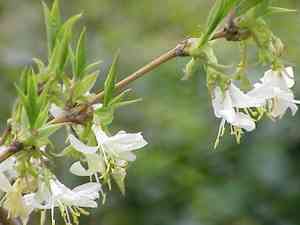
The optimal period for relocating winter honeysuckle is at the onset of spring, allowing it to establish firmly prior to the warmth of summer. Choose a location that receives either full sun or partial shade, and ensure the soil remains damp for effective integration.
What Preparations are Needed Before Transplanting Winter Honeysuckle?
What is the Ideal Time for Transplanting Winter Honeysuckle?
The beginning of spring's growth cycle, specifically the early to mid-period, offers an optimal window for relocating winter honeysuckle. This timing allows winter honeysuckle to establish its root system in mild temperatures before summer's heat arrives. By selecting this period, you can ensure your winter honeysuckle has the best chance to flourish, utilizing the season's natural moisture and gentle sunlight. This strategic timing not only minimizes transplant shock but also maximizes the plant's potential for vigorous growth and abundant blooms. Embrace springtime as a season of fresh starts for both your garden and winter honeysuckle!
How Much Space Should You Leave Between Winter Honeysuckle Plants?
It's essential to provide winter honeysuckle ample room to develop. Aim for a spacing of approximately 5-7 feet (1.5-2.1 meters) between each specimen. This will ensure they have sufficient space to expand without competing for essential resources.
What is the Best Soil Mix for Winter Honeysuckle Transplanting?
Winter honeysuckle thrives in well-drained soil, ideally a loamy or sandy type. Before transplanting, mix in a foundational fertilizer – any material rich in organic matter is a suitable choice. This will aid in the more effective establishment of the root system.
Where Should You Relocate Your Winter Honeysuckle?
Placement is crucial! Winter honeysuckle prefers full sun to partial shade. Select a sunny location, but avoid areas with intense midday sun. A touch of shade will offer relief from the strongest rays, helping winter honeysuckle to prosper.
What Equipments Should You Prepare Before Transplantation Winter Honeysuckle?
Gardening Gloves
To safeguard your hands when handling soil and roots.
Shovel or Spade
To excavate the planting hole and extract the winter honeysuckle plant from its initial spot.
Watering Can
To hydrate your plant before and after relocation.
Gardening Trowel
To carefully create an opening in the ground for your winter honeysuckle plant.
Mulch
To assist in retaining soil moisture and inhibiting weed growth.
Stake and String
To provide support for your plant if necessary.
How Do You Remove Winter Honeysuckle from the Soil?
How Do You Remove Winter Honeysuckle from the Soil?
From Ground: Begin by watering the winter honeysuckle plant to lightly moisten the soil. Dig a generous trench around the plant using your shovel or spade, being careful not to cut into the root ball. Use the shovel to gently pry the plant from its original location, employing a lifting motion to prevent root damage.From a Pot: Water your winter honeysuckle plant, then turn the pot on its side. Gently squeeze or tap the pot's sides to release the root ball. If it's stubborn, you might need to invert the pot or cut it away, taking care not to harm the roots.Seedling Tray: Water the seedlings in the tray, then gently lift the winter honeysuckle plant by its leaves, not the stem. Never pull forcefully as this can injure the plant and roots. Coax it out if needed, keeping as much soil as possible around the root area for transplant.
Step-by-Step Guide for Transplanting Winter Honeysuckle
Preparation
Consider the size of your winter honeysuckle plant and dig a hole that is roughly twice as wide and as deep as the root ball. Loosen the soil at the sides and bottom of the hole using your gardening trowel.
Placing the Plant
Carefully position your winter honeysuckle plant in the center of the hole, spreading out its roots. The top of the root ball should be slightly above the surrounding soil level.
Backfilling the Hole
Gently refill the hole with soil, firming it as you go to eliminate any air pockets until the hole is filled and the plant is stable.
Watering
Water the plant thoroughly using your watering can, and keep the soil consistently moist.
Add Mulch
Apply a layer of mulch around the base of the plant, but not touching the stem, to aid in water retention and weed suppression.
Supporting the Plant
If your winter honeysuckle plant has a climbing habit, provide a stake for support and secure it with string.
How Do You Care For Winter Honeysuckle After Transplanting?
Watering
Ensure the winter honeysuckle plant receives adequate water as its roots establish in their new location. However, avoid saturating the soil.
Weeding
Keep the area around your winter honeysuckle plant clear of weeds, which can compete with it for essential nutrients.
Pruning
Prune your winter honeysuckle plant as needed to maintain good structural integrity and encourage vigorous growth.
Inspecting
Regularly examine your winter honeysuckle plant for any indications of pests or diseases and address them as required.
Troubleshooting Common Issues with Winter Honeysuckle Transplantation.
When is the best time to transplant winter honeysuckle?
The optimal period to transplant winter honeysuckle is during S1-S2. The plant adapts most effectively to new environments during this timeframe.
How much space does winter honeysuckle need when transplanting?
Winter honeysuckle prefers ample room to breathe and flourish. Aim to space each plant approximately 5-7 feet (1.5-2.1 meters) apart.
What are the symptoms of a poorly transplanted winter honeysuckle?
Common indicators include yellowing foliage, wilting, or stunted growth. This could suggest root damage during transplant, insufficient water, or incorrect spacing.
How deep should the hole be for transplanting winter honeysuckle?
The hole should be twice the size of the root ball, ensuring sufficient space for root development. Do not plant winter honeysuckle deeper than its original depth.
Any tips for watering winter honeysuckle after transplanting?
Ensure your transplant's success with proper watering. Immediately after transplanting, water thoroughly. Then maintain moderate watering until the plant becomes established.
Is it beneficial to prune winter honeysuckle when transplanting?
Before transplanting, gently prune the plant to compensate for any root loss that might occur during the process. This aids in faster recovery.
How to prep the ground for transplanting winter honeysuckle?
Preparing the soil is crucial. Incorporate compost or organic matter into the soil for nutrients. This creates a favorable environment for winter honeysuckle to thrive.
What to do if winter honeysuckle doesnât show new growth after transplanting?
Be patient! Winter honeysuckle may require some time to recover from transplanting before exhibiting new growth. Monitor water and soil conditions.
Can winter honeysuckle be transplanted in a pot?
Yes, winter honeysuckle can grow in a pot. Ensure the pot is large enough for the root system to establish and has good drainage.
What is the best way to handle winter honeysuckle root ball during transplant?
Handle winter honeysuckle's root ball with care to prevent damage. Lift the plant by the root ball instead of pulling on the stems or trunk.



