How to Transplant Wild honeysuckles?
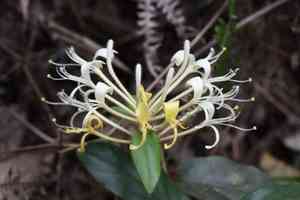
The optimal period for relocating wild honeysuckle plants is the mild transition from late spring to early summer, capitalizing on robust development. Select locations with ample light and good drainage. During the transfer process, prevent any disturbance to its fragile root structure to guarantee a smooth adaptation.
What Preparations are Needed Before Transplanting Wild Honeysuckles?
What is the Ideal Time for Transplanting Wild Honeysuckles?
The perfect time for moving wild honeysuckles spans from the spring equinox through the early days of summer. Relocating wild honeysuckles during this period aligns with their natural growth cycle, taking advantage of mild temperatures and increasing daylight. This timing allows the roots of wild honeysuckles to firmly establish in their new location, while the season's gentle warmth and moisture promote a smooth transition, ensuring a lush, strong display in future seasons.
How Much Space Should You Leave Between Wild Honeysuckles Plants?
When planning to transplant wild honeysuckles, aim for a generous spacing of approximately 5-6 feet (1.5-1.8 meters) between each plant. This ensures your wild honeysuckles have ample room to grow and flourish without competing for resources.
What is the Best Soil Mix for Wild Honeysuckles Transplanting?
Prepare an inviting environment for your wild honeysuckles by selecting well-draining soil. Incorporating a balanced, slow-release fertilizer at the time of planting will provide your wild honeysuckles with an excellent start. Let's cultivate them with care from the very beginning!
Where Should You Relocate Your Wild Honeysuckles?
These beautiful wild honeysuckles thrive in a sunny spot that receives some afternoon shade. Choosing a location that gets full morning sun and protection from intense heat later in the day is optimal for their well-being and development!
What Equipments Should You Prepare Before Transplantation Wild Honeysuckles?
Gardening Gloves
To safeguard your hands while handling soil and plants.
Spade or Shovel
To excavate around and beneath the plant for safe removal.
Garden Fork
To gently loosen soil surrounding the plant without harming roots.
Pruning Shears
To trim any dead or excess growth prior to transplanting.
Wheelbarrow or Tarp
To move the plant to its new spot without causing damage.
Watering Can or Hose
To hydrate the plant before and after its relocation.
Mulch
To help maintain soil moisture and regulate temperature around the new site.
How Do You Remove Wild Honeysuckles from the Soil?
How Do You Remove Wild Honeysuckles from the Soil?
From Ground: First, water the wild honeysuckles to moisten the soil. Next, dig a wide trench around the plant using a shovel or spade, keeping a good distance from the main stem to protect the roots. Use a garden fork to gently loosen the soil. Slide the spade under the root ball and carefully lift the plant.From Pot: Water the wild honeysuckles thoroughly. Tilt the pot sideways and gently tap or press its sides to loosen the root ball. Grasp the plant at its base and carefully ease it out.From Seedling Tray: Water the wild honeysuckles seedlings. Use a spoon or a small tool to lift each seedling along with its surrounding soil without disturbing the roots.
Step-by-Step Guide for Transplanting Wild Honeysuckles
Preparation
Water the wild honeysuckles a day before transplanting to ensure it is adequately hydrated.
Root Pruning
Trim any dead or excessive root parts with pruning shears to encourage new growth.
Digging the New Hole
Dig a hole twice as wide and the same depth as the root ball of your wild honeysuckles.
Placing the Plant
Gently position the wild honeysuckles in the center of the new hole. Spread the roots outwards and ensure the plant is at the same soil depth as it was originally.
Filling the Hole
Backfill the hole with the excavated soil. Gently firm down the soil around the root ball of the wild honeysuckles.
Watering
Water the wild honeysuckles generously to settle the soil and remove any air pockets.
Application of Mulch
Apply a layer of mulch around the base of the wild honeysuckles to conserve moisture and provide insulation.
Stabilization
If the wild honeysuckles is large or top-heavy, stake the plant to provide support until its roots can establish.
How Do You Care For Wild Honeysuckles After Transplanting?
Recovery Monitoring
Observe the wild honeysuckles for indications of transplant shock, such as wilting or leaf drop, and take measures to reduce stress.
Watering
Ensure the root zone of the wild honeysuckles remains consistently moist (but not waterlogged) for the initial few weeks to aid root establishment.
Checking for Pests
Regularly inspect the wild honeysuckles for any signs of pest infestation or disease and treat as necessary.
Adjusting Support
Adjust stakes or supports as the wild honeysuckles grows and remove them once the plant is stable.
Pruning Maintenance
Prune any damaged or unhealthy branches to direct the wild honeysuckles's energy towards establishing new growth.
Troubleshooting Common Issues with Wild Honeysuckles Transplantation.
What's the best time to transplant wild honeysuckles?
The optimal period for transplanting wild honeysuckles is from late spring through early summer to ensure successful establishment.
How far apart should I space wild honeysuckles when transplanting?
Ensure to space your wild honeysuckles approximately 5-6 feet (1.5-1.8 meters) apart to allow for adequate growth and air circulation.
How deep should the hole be for transplanting wild honeysuckles?
Dig a hole that is twice as wide and the same depth as the root ball of wild honeysuckles for optimal growth.
What should I do if wild honeysuckles's leaves wilt after transplanting?
Wilting leaves can indicate stress; ensure wild honeysuckles is well-watered, especially in the first few weeks post-transplant.
Can I trim wild honeysuckles when transplanting?
Light pruning to shape wild honeysuckles or remove any dead material can be beneficial, but avoid heavy trimming which can cause stress.
Should I amend the soil when transplanting wild honeysuckles?
Yes, enriching the soil with compost or well-aged manure can promote healthier growth and root development for wild honeysuckles.
How do I know if wild honeysuckles has enough water after transplanting?
The soil should be kept moist but not saturated. A simple touch test can help; the soil should cling to your finger without dripping water.
What should I look for in wild honeysuckles's root ball when transplanting?
The root ball should be firm and healthy. Trim any damaged roots and gently spread them before planting.
Can I transplant wild honeysuckles on a sunny day?
It's best to transplant on a cloudy day or in the evening to minimize transplant shock and moisture loss.
Why is my wild honeysuckles not blooming after transplanting?
Bloom loss can occur due to transplant shock. Give wild honeysuckles time to adjust, and ensure proper care and correct sunlight exposure.



