How to Transplant Honeysuckle?
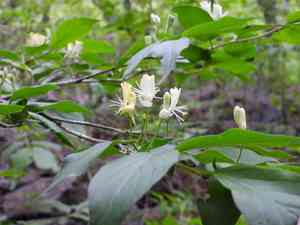
Lonicera flourishes optimally when transplanted at the lively commencement of spring, providing sufficient duration for root development. Select a location receiving full sun or partial shade, featuring soil that drains effectively, to guarantee robust growth. Enjoy your planting endeavor!
What Preparations are Needed Before Transplanting Honeysuckle?
What is the Ideal Time for Transplanting Honeysuckle?
Honeysuckle, a perennial, flourishes when moved in early spring, precisely as the ground softens and prior to new growth. This timing allows honeysuckle to establish roots in the damp, warming earth, enhancing its vigor for the growing season. Early spring relocation minimizes shock and maximizes successful development.
How Much Space Should You Leave Between Honeysuckle Plants?
When relocating honeysuckle, ensure each plant is positioned 6-10 feet (1.8-3 meters) apart. This provides ample room for their development and flourishing.
What is the Best Soil Mix for Honeysuckle Transplanting?
For honeysuckle, prepare soil that drains well, mixed with compost. A foundational fertilizer with a balanced ratio like 10-10-10 will ensure robust growth.
Where Should You Relocate Your Honeysuckle?
Select a site for honeysuckle that receives full to partial sunlight, ideally 4-6 hours of direct sun daily.
What Equipments Should You Prepare Before Transplantation Honeysuckle?
Gardening Gloves
To safeguard your hands while handling soil and the plant.
Shovel or Spade
For excavating and moving the plant.
Watering Can
For hydrating the plant before and after its relocation.
Wheelbarrow
To transport the plant if it is large.
Pruning Shears
To trim any damaged roots or branches.
Stakes and Ties
To provide support for the plant if necessary after transplanting.
Mulch
To retain moisture and prevent weed growth around the newly relocated plant.
How Do You Remove Honeysuckle from the Soil?
How Do You Remove Honeysuckle from the Soil?
From Ground: First, hydrate the honeysuckle plant to moisten the soil. Then, excavate a wide trench around the plant using a shovel or spade, ensuring the plant's root ball remains intact. Carefully work the spade beneath the root ball to lift the plant from its original spot.From Pot: Water the honeysuckle plant thoroughly. Gently tap the container to loosen the soil and roots, then carefully extract the plant while supporting the root ball. If the roots are tangled, gently separate them before transplanting.From Seedling Tray: Water the honeysuckle seedlings to facilitate removal. Gently lift the seedlings using a dibber or similar tool, taking care not to harm the delicate roots. Handle the seedlings by their leaves, not the stem, to avoid crushing the base.
Step-by-Step Guide for Transplanting Honeysuckle
Prepare the Planting Hole
Dig a hole in the new location that is twice as wide and equally deep as the honeysuckle plant's root ball.
Amend the Soil
Optionally, incorporate some compost or organic material to enrich the soil and enhance drainage.
Place the Plant in the Hole
Position the honeysuckle plant in the hole, ensuring it sits at the same depth as it did originally. Backfill the hole with soil, gently compacting it to remove air pockets.
Water Thoroughly
Water the honeysuckle plant well after planting to help settle the soil around the roots and lessen transplant shock.
Mulch the Base
Apply a layer of mulch around the base of the honeysuckle plant to help retain moisture and suppress weeds, keeping it clear of the plant's stem.
How Do You Care For Honeysuckle After Transplanting?
Watering
Keep the soil around the honeysuckle consistently moist, but not waterlogged, for the initial weeks post-transplant to aid in root establishment.
Monitoring
Regularly inspect the honeysuckle for signs of distress, such as wilting or yellowing foliage, and adjust care as necessary.
Support
Utilize stakes and ties to support the honeysuckle plant if it appears unstable or is in a windy area until it firmly establishes itself.
Mulching
Maintain a layer of mulch around the honeysuckle to conserve soil moisture and shield roots from extreme temperatures.
Pruning
Trim back any damaged or dead branches to encourage healthy new growth and reduce stress on the honeysuckle plant.
Troubleshooting Common Issues with Honeysuckle Transplantation.
When is the best time to transplant honeysuckle?
The optimal time to relocate honeysuckle is early spring for best growth.
How much space should I leave between honeysuckle plants?
Each honeysuckle plant should be spaced 6-10 feet (1.8-3 meters) apart.
What soil type is suitable for transplanting honeysuckle?
Honeysuckle prefers well-draining, fertile soil enriched with organic matter.
What are the watering requirements after transplanting honeysuckle?
Water honeysuckle thoroughly right after transplanting and keep the soil consistently moist.
How deep should I dig the hole for honeysuckle?
Dig a hole twice as wide but just as deep as the root ball of honeysuckle.
Should I add fertilizer when transplanting honeysuckle?
Incorporate a balanced, slow-release fertilizer into the soil before planting honeysuckle.
How can I prevent transplant shock in honeysuckle?
Water regularly and consider using a root stimulant to reduce transplant shock for honeysuckle.
What sunlight conditions do honeysuckle require?
Honeysuckle thrives in full sun but can tolerate partial shade.
Can I transplant honeysuckle in the fall?
While it's possible, early spring is the ideal time for transplanting honeysuckle.
How do I handle honeysuckle roots during transplanting?
Gently loosen the root ball of honeysuckle and prune any damaged roots before planting.



