How to Transplant Italian ryegrass?
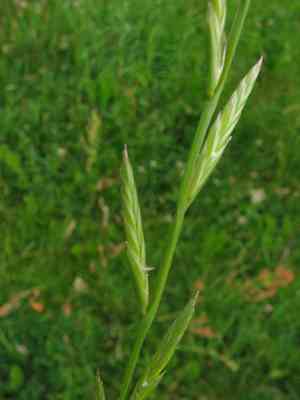
For best outcomes, transplant italian ryegrass during the revitalizing period of early to late spring or the quiescent phase from late autumn to mid-winter. Locate areas bathed in sunlight with soil that drains effectively to foster italian ryegrass's growth. A helpful tip: italian ryegrass flourishes when established promptly in its new environment!
What Preparations are Needed Before Transplanting Italian Ryegrass?
What is the Ideal Time for Transplanting Italian Ryegrass?
The optimal period for relocating italian ryegrass spans from early spring's warmth to its peak, or as autumn transitions into winter's chill. Moving italian ryegrass during these times leverages mild temperatures, allowing roots to establish without extreme summer heat or winter frost. This strategic timing promotes vigorous growth and abundant green blades, truly utilizing the seasons' gentle conditions.
How Much Space Should You Leave Between Italian Ryegrass Plants?
When getting ready to transplant italian ryegrass, begin by spacing the young plants approximately 6-8 inches (15-20 cm) apart. This provides each plant sufficient room to thrive without overcrowding its neighbors.
What is the Best Soil Mix for Italian Ryegrass Transplanting?
For italian ryegrass, select a soil that drains well and incorporate a balanced, slow-release fertilizer to nourish the plants. The perfect soil should be loamy and rich in organic material to encourage robust root development.
Where Should You Relocate Your Italian Ryegrass?
Choose a location that receives ample sunlight for your italian ryegrass, as it flourishes with plenty of sun exposure. Aim for at least 6 hours of direct sunlight daily to ensure optimal growth and vitality.
What Equipments Should You Prepare Before Transplantation Italian Ryegrass?
Gardening Gloves
To safeguard your hands while handling soil and italian ryegrass.
Spade or Shovel
To excavate the italian ryegrass without harming its roots.
Garden Fork
To loosen the soil surrounding the italian ryegrass's root system.
Watering Can or Hose
For hydrating the italian ryegrass before and after its relocation.
Wheelbarrow
For moving the italian ryegrass and soil, if required.
Pruners
To trim any damaged or excessively long roots, if necessary.
Measuring Tape
To ensure correct spacing between transplanted plants.
Garden Trowel
For refining the planting hole or assisting with smaller specimens.
How Do You Remove Italian Ryegrass from the Soil?
How Do You Remove Italian Ryegrass from the Soil?
From Ground: Water the italian ryegrass thoroughly to moisten the soil, making extraction easier. Use a spade or shovel to dig a wide trench around the plant, ensuring you are far enough from the base to avoid cutting into the root system. Gently work your tool beneath the root ball and lift the italian ryegrass from its original spot.From Pot: Start by watering the italian ryegrass to help the roots slide out more easily. Turn the pot on its side and gently tap or squeeze the sides to loosen the soil. Slowly tilt the pot and guide the italian ryegrass out with your hands, supporting the root ball to prevent it from breaking apart.From Seedling Tray: Water the seedlings to keep the root soil intact. Use a garden trowel or hand fork to gently ease each italian ryegrass seedling out of its cell. Handle the seedlings by their leaves rather than their delicate stems to avoid damage.
Step-by-Step Guide for Transplanting Italian Ryegrass
Digging the Hole
Excavate a hole that is twice as wide and as deep as the italian ryegrass's root ball. Break up the soil at the bottom of the hole to facilitate new root penetration.
Transplant Placement
Position the italian ryegrass in the center of the hole, ensuring it's at the same depth it was previously growing. Adjust its placement so the plant stands upright.
Refill the Hole
Carefully backfill the hole with the excavated soil, gently firming it around the roots of the italian ryegrass as you proceed. Avoid over-compacting the soil, as this can hinder water absorption.
Water Thoroughly
Once the italian ryegrass is in place, water the area deeply to help settle the soil and eliminate air pockets. Continue regular watering to keep the soil moist as the italian ryegrass establishes.
Mulching
Apply a thin layer of mulch around the base of the italian ryegrass, keeping it a few inches away from the stem to prevent rot. Mulch aids in moisture retention and suppresses weed growth.
How Do You Care For Italian Ryegrass After Transplanting?
Monitoring
Observe the italian ryegrass for indications of stress such as wilting or discolored leaves and address any issues promptly.
Regular Watering
Maintain consistent moisture in the soil, particularly in the weeks following transplantation, to support the italian ryegrass's root development.
Protection
If transplanting during hot or windy conditions, provide temporary shade or windbreaks to help the italian ryegrass establish without added stress.
Weed Control
Keep the area around the italian ryegrass free of weeds, which compete for nutrients and water.
Pruning
Remove any dead or damaged foliage to help the italian ryegrass redirect its energy towards establishing new growth and roots.
Troubleshooting Common Issues with Italian Ryegrass Transplantation.
When is the best time to transplant italian ryegrass?
Optimal transplanting occurs from early spring to late spring or from late fall to mid-winter for italian ryegrass.
What's the ideal spacing for transplanting italian ryegrass?
When transplanting italian ryegrass, maintain a generous spacing of 6-8 inches (15-20 cm) between plants.
How deep should I plant italian ryegrass's roots when transplanting?
Plant italian ryegrass's roots at the same depth they grew before to avoid planting too shallow or deep.
Why is my transplanted italian ryegrass wilting?
Wilting after transplanting italian ryegrass can signify water stress or root damage. Ensure adequate watering and handle roots carefully.
How much should I water italian ryegrass after transplanting?
Post-transplant, water italian ryegrass thoroughly to settle soil around roots, then follow regular watering to keep the soil moist.
What type of soil is best for italian ryegrass when transplanting?
Use well-draining soil rich in organic matter to provide italian ryegrass with a good start after transplanting.
Should I fertilize italian ryegrass right after transplanting?
Wait a few weeks before fertilizing italian ryegrass to allow establishment. Then, apply a balanced, slow-release fertilizer.
How can I protect italian ryegrass after transplanting?
Shield italian ryegrass from harsh elements with mulch or shade cloth initially, and harden off if temperature swings.
Can I transplant italian ryegrass during the summer?
It's not ideal; italian ryegrass establishes best in cooler temperatures of early spring or late fall to mid-winter.
My italian ryegrass has yellow leaves after transplanting, what should I do?
Yellow leaves may indicate over-watering or nutrient deficiency. Check moisture levels and consider soil testing for nutrient imbalance.



