How to Transplant Tall Fescue?
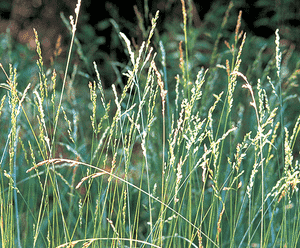
The most suitable time for relocating tall Fescue is in the initial to middle stages of spring, as plant life begins to stir. Select a bright spot featuring soil that drains effectively to foster vigorous development. Enhance the soil with organic material to assist in its settling.
What Preparations are Needed Before Transplanting Tall Fescue?
What is the Ideal Time for Transplanting Tall Fescue?
The optimal period for relocating tall Fescue is during the revitalization phase of early to mid-spring. This timing aligns with tall Fescue's natural growth cycle, providing cooler temperatures and sufficient rainfall for root establishment. Moving tall Fescue in this season prevents the stress of summer heat, ensuring a strong, healthy transition. Spring's mild conditions promote rapid recovery and vigor in tall Fescue, setting the stage for lush, vibrant growth. Choosing this season to transplant tall Fescue significantly boosts its chances for flourishing, offering an excellent start for a thriving green space.
How Much Space Should You Leave Between Tall Fescue Plants?
For tall Fescue transplants, allow each plant ample room to develop. Ideally, position each tall Fescue approximately 1 foot (about 30 cm) apart from adjacent plants. This spacing supports proper root growth and development, thereby promoting better plant health. It's akin to providing your plant with its own growing area.
What is the Best Soil Mix for Tall Fescue Transplanting?
Begin with soil rich in organic matter. Incorporate a slow-release, balanced fertilizer into the garden soil prior to planting. The addition of this fertilizer will nourish tall Fescue for an extended period and supply the necessary nutrients to stimulate its growth. Not all earth is identical, so select wisely!
Where Should You Relocate Your Tall Fescue?
Select a location for your tall Fescue where it can receive full sun to partial shade. This means at least 4 hours (and up to 6-8 hours) of direct sunlight daily. These beauties adore basking in the sun. Remember, light isn't just for warmth; it's sustenance for tall Fescue.
What Equipments Should You Prepare Before Transplantation Tall Fescue?
Spade or Trowel
For excavating the hole where tall Fescue will be placed.
Gardening Gloves
To safeguard your hands while handling soil and the plant.
Watering Can or Hose
To hydrate the plant before and after its relocation.
Garden Fork
Useful for loosening the soil around the plant in its original spot, especially when moving from the ground.
Wheelbarrow or Container
To move the plant from one spot to another without causing damage.
Mulch
To maintain soil moisture and inhibit weed growth around your newly transplanted tall Fescue.
How Do You Remove Tall Fescue from the Soil?
How Do You Remove Tall Fescue from the Soil?
From Ground: To extract tall Fescue from its initial ground location, moisten the soil surrounding the plant's base. Next, gently loosen the soil around the tall Fescue's roots using a garden fork. Locate the extent of the root system and dig a trench around it with a few inches of clearance. Then, carefully lift the tall Fescue from the ground, supporting it from beneath to prevent any root damage.From Pot: Water the tall Fescue thoroughly before removing it from the pot to facilitate the process. Tilt the pot sideways while securely holding the tall Fescue at its base. Tap the pot's rim to dislodge the root ball and slide the plant out. If the tall Fescue doesn't come loose easily, rotate the pot and try again. Avoid pulling it by its stem.From Seedling Tray: Moisten the seedling tray before carefully extracting the tall Fescue seedling. Use a dibber or any pointed stick to push it from below and lift it without harming the root.
Step-by-Step Guide for Transplanting Tall Fescue
Site Preparation
Begin by preparing the new planting location. Dig a hole that is twice as wide and deep as the root ball of your tall Fescue.
Positioning the Plant
Place the tall Fescue plant in the hole so that the top of its root ball is level with the surrounding ground surface.
Refilling
Backfill the hole with the same soil that was removed or with compost. Gently firm the soil around the tall Fescue, being careful not to compact it too tightly.
Watering
Provide your newly planted tall Fescue with a thorough watering, but ensure the soil does not become waterlogged.
How Do You Care For Tall Fescue After Transplanting?
Watering
For the initial couple of weeks following transplantation, keep the soil consistently moist but not saturated through regular irrigation.
Mulching
Apply a layer of mulch around your transplanted tall Fescue to help retain soil moisture and stabilize soil temperature.
Monitoring
Closely observe your tall Fescue plant during the first few days after relocation. Look for indications of stress, such as wilting or yellowing. If these symptoms appear, adjust watering, and if necessary, seek professional advice.
Pruning
If the tall Fescue has overgrown foliage, trim it back by one-third after transplanting. This will encourage new growth and enhance the plant's strength.
Troubleshooting Common Issues with Tall Fescue Transplantation.
When is the ideal time to transplant tall Fescue?
The best time to transplant tall Fescue is during S1-S2. This period allows the plant to adapt most effectively to a new environment.
What's the proper spacing for tall Fescue while transplanting?
The optimal spacing for tall Fescue is approximately 1 foot (0.30 meters). This provides each plant with sufficient room for comfortable growth.
What steps should I follow to successfully transplant tall Fescue?
Start by thoroughly watering tall Fescue. Then, carefully remove it from its original spot without harming the roots. Position it in the new location and cover the roots with soil. Finally, water the newly transplanted plant.
What kind of soil does tall Fescue prefer?
Tall Fescue thrives in well-drained soil. It can tolerate various soil types, but adequate drainage is essential for its proper growth and development.
How do I ensure tall Fescue doesn't undergo transplant shock?
Minimize transplant shock by keeping the root system as intact as possible during the move. Also, water the plant thoroughly after transplanting for optimal results.
How much sunlight does tall Fescue need after transplanting?
Tall Fescue flourishes with full light exposure. Ensure your transplanted plant receives at least 6 hours of direct sun daily.
What should I do if the transplanted tall Fescue starts to wilt?
If your tall Fescue wilts after transplantation, it might be due to transplant shock. Ensure it receives enough water, and consider applying a high-phosphorus fertilizer to stimulate root growth.
How deep should the hole be when transplanting tall Fescue?
Dig a hole deep enough to comfortably accommodate the root system of tall Fescue. It's generally about the same depth as the root ball.
Is it necessary to fertilize tall Fescue immediately after transplanting?
Fertilizing right after transplanting isn't mandatory for tall Fescue. Waiting until the plant is established, likely a few weeks, is generally a good approach.
Should I prune tall Fescue when transplanting?
Pruning isn't required when transplanting tall Fescue. However, it's important to handle the plant gently to prevent any damage to its stems or foliage.



