How to Transplant Truncate living stone?
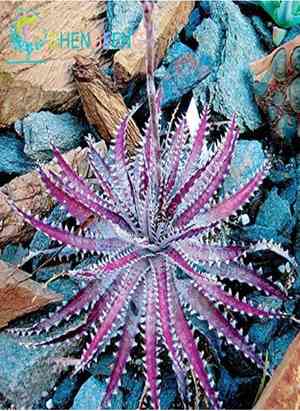
The ideal period to relocate your truncate living stone is from late spring through mid-summer, since it thrives in warm, brightly lit environments. When moving the plant, select a site with good drainage and abundant sunshine, and carefully untangle the root system if needed for proper settling.
What Preparations are Needed Before Transplanting Truncate Living Stone?
What is the Ideal Time for Transplanting Truncate Living Stone?
The optimal season for relocating truncate living stone spans from late spring to mid-summer. This period provides gentle warmth crucial for its establishment. Moving truncate living stone at this time ensures it's ready for vigorous growth, promoting a healthy, thriving plant. Your truncate living stone will appreciate this careful timing!
How Much Space Should You Leave Between Truncate Living Stone Plants?
When moving truncate living stone, ensure each plant is spaced approximately 4-6 inches (10-15 cm) apart. This spacing allows ample room for their development and flourishing!
What is the Best Soil Mix for Truncate Living Stone Transplanting?
For truncate living stone, utilize a well-draining soil, such as a cactus or succulent blend, and enrich it with a slow-release base fertilizer to nourish your plants as they grow.
Where Should You Relocate Your Truncate Living Stone?
Locate a sunny spot in your garden for truncate living stone, where it will receive at least 5-6 hours of direct sunlight daily. This will encourage robust growth and beautiful blooms!
What Equipments Should You Prepare Before Transplantation Truncate Living Stone?
Trowel
For creating small holes and easily lifting plants from containers.
Gardening Shovel
To excavate the planting hole.
Gardening Gloves
To safeguard your hands while handling soil and plants.
Watering Can
For hydrating your plants post-transplantation.
Mulch
Used to cover the soil surface after transplanting to retain moisture.
Pot (optional)
If transferring the plant from the ground or a larger container to a smaller one.
How Do You Remove Truncate Living Stone from the Soil?
How Do You Remove Truncate Living Stone from the Soil?
From Ground: First, lightly water the truncate living stone plant to facilitate its removal. Use a trowel or small shovel to carefully dig around the plant, ensuring you go deep enough to get beneath the taproot. Once the soil is loose around the plant, gently lift it from the ground, keeping the roots and attached soil intact.From Pot: Lightly water the plant to simplify removal. Tilt the pot sideways and gently pull the plant by the base of its stem. If it doesn't slide out easily, tap the pot's sides to loosen the soil. Aim to keep the root ball and surrounding soil as intact as possible.From Seedling Tray: Ensure the truncate living stone plant is moist before attempting to remove it. Gently hold the seedling's stem and lift it, using a spoon or stick to help loosen the soil around the roots. Be careful not to harm the roots.
Step-by-Step Guide for Transplanting Truncate Living Stone
Preparation
Start by preparing the planting site for the truncate living stone. The hole should be twice the width of the truncate living stone's rootball. Also, ensure the hole is deep enough for the root system to fit comfortably.
Placement
Carefully position the truncate living stone in the hole. Make sure the base of the truncate living stone stem is level with or slightly below the ground surface. Avoid burying the plant's stem, as this can lead to rot.
Backfill
Refill the hole with soil, gently firming it around the base of the truncate living stone with your hands. Do not compact the soil excessively, as this could hinder root development.
Watering
After transplanting, thoroughly water the truncate living stone. This will help settle the soil and eliminate any air pockets.
Mulching
Cover the area around the plant with a layer of mulch to help maintain soil moisture and temperature.
How Do You Care For Truncate Living Stone After Transplanting?
Watering
The truncate living stone is a succulent, meaning it requires less frequent watering than other plants. Only water when the soil has completely dried out, as overwatering can cause root and stem rot.
Temperature
As a succulent, truncate living stone prefers warmer temperatures. It can tolerate cooler conditions but may enter dormancy in winter. Just ensure it's protected from frost.
Propagation
If you observe new shoots or leaves emerging from the base of your truncate living stone, you can attempt to propagate new plants. Allow the new plant to strengthen before trying to remove and transplant it.
Pest Control
Monitor your truncate living stone for pests. If you detect insects or bugs, you should treat them with an appropriate pesticide or insecticide.
Troubleshooting Common Issues with Truncate Living Stone Transplantation.
When is the best time to transplant truncate living stone?
The optimal period to transplant truncate living stone is from late spring to mid-summer. This allows ample time for establishment before colder weather arrives.
What is the ideal space required for each truncate living stone during transplantation?
Ideally, maintain a distance of 4-6 inches (10-15 cm) between each plant. This ensures sufficient room for growth and air circulation, promoting healthier development.
Why are my transplanted truncate living stone wilting?
Wilting after transplantation might be due to shock or insufficient moisture. Ensure consistent but moderate watering. Avoid overwatering; truncate living stone needs well-drained soil.
What kind of soil is best for transplanting truncate living stone?
Truncate living stone thrives in loose, sandy loam to gravelly soil. It requires a well-drained medium, as excessive moisture can lead to root rot.
How deep should I plant truncate living stone in the new pot?
The entire root ball of truncate living stone should be covered with soil, but do not bury the plant deeply. The plant's surface should be level with the soil line.
Is it normal for truncate living stone leaves to turn yellow after transplantation?
A few yellow leaves can indicate transplant stress, but if it persists, it might be overwatering or inadequate light. Adjust conditions as needed.
How much sunlight does truncate living stone need after the transplant?
Truncate living stone enjoys full sunlight. After transplant, gradually expose it to direct sunlight. Sudden exposure might cause leaf scorching.
How should I water truncate living stone after the transplant?
Water truncate living stone once, then only when the top inch of soil is dry. Truncate living stone is prone to overwatering, so ensure good soil drainage.
What temperature is best for truncate living stone after transplanting?
Truncate living stone can tolerate warm temperatures, but extreme cold can be detrimental. Maintain temperatures around 50-85°F (10-30°C) for optimal growth.
How long does truncate living stone take to recover after transplanting?
Recovery from transplanting can take several weeks. If truncate living stone is properly watered and receives adequate sunlight, it will soon begin to thrive.



