How to Transplant Creeping lilyturf?
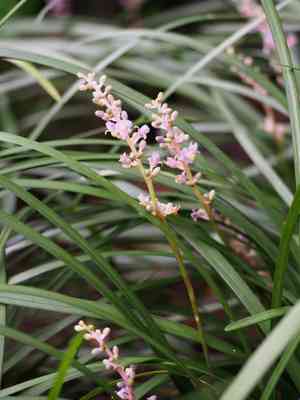
Relocating creeping lilyturf is most effective from late spring through mid-summer, as this period's warmth fosters quick root development. Select a location with partial shade and soil that drains efficiently. Following transplantation, ensure the soil remains consistently damp to support optimal development.
Essential Preparations Before Relocating Creeping Lilyturf?
When is the Best Time to Move Creeping Lilyturf?
The optimal period for relocating creeping lilyturf is when the ground is warm and the weather is mild, typically from late spring through mid-summer. This timeframe promotes quick root establishment, avoiding the intense heat that can stress plants. Moving creeping lilyturf during this season allows ample time for a robust root system to develop before colder weather arrives, boosting their growth and resilience.
What is the Recommended Spacing Between Creeping Lilyturf Plants?
To provide your creeping lilyturf with sufficient room to flourish, aim for a separation of approximately 1-2 feet (30-60 cm) between each plant. This distance is perfect for encouraging ample growth and ensuring good air circulation around your beautiful green specimens!
Which Soil Mixture is Best for Transplanting Creeping Lilyturf?
For soil preparation, creeping lilyturf thrives in well-drained, fertile soil, rich in organic matter. To give them a nourishing start, prepare the planting area with a base layer of a balanced slow-release fertilizer. This promotes vigorous plant development and supplies crucial nutrients.
Where Should You Replant Your Creeping Lilyturf?
For the ideal location to plant your creeping lilyturf, seek an area with partial to full sun exposure. While it can endure some shade, a good amount of sunlight will certainly help it thrive! Happy planting!
What Tools Are Necessary Before Transplanting Creeping Lilyturf?
Gardening Gloves
These protect your hands when handling the plant and working with the soil.
Shovel or Spade
This is used to excavate the plant from its original spot without harming the root system.
Garden Trowel
This implement is useful for digging small holes and for relocating smaller plants.
Watering Can
Crucial for hydrating the plant both before and after the transplanting process.
Pruning Shears
For trimming any dead leaves or branches from the plant.
Wheelbarrow or Plant Cart
Especially useful for moving larger creeping lilyturf plants during transplantation.
How to Extract Creeping Lilyturf from the Soil?
How to Extract Creeping Lilyturf from the Soil?
From Ground: Before attempting to remove the creeping lilyturf plant from the ground, ensure the soil is adequately moist. Then, using a shovel or spade, dig a trench wide enough around the plant to prevent the root ball from breaking apart. Gently lift the plant, keeping as much soil around the roots as possible.From a Pot: Water the creeping lilyturf plant before starting the transplanting process. Then, invert the pot while holding your hand over the soil, with the creeping lilyturf stem between your fingers. Tap lightly on the bottom until the plant and root ball slide out. Be careful not to damage the roots during this process.From a Seedling Tray: Lightly water the seedlings, then use a small tool or your fingers to carefully lift the creeping lilyturf seedling by the leaves, not the stem, ensuring to retain as much of the root system as possible.
Detailed Guide for Transplanting Creeping Lilyturf
Digging Holes
Excavate a hole at the chosen site, roughly twice the size of the creeping lilyturf's root ball. This ensures ample space for root development.
Preparing the Plant
Remove any damaged or dead foliage from the plant. This allows the plant to prioritize new root growth over maintaining old parts.
Placement of Plant
Position the creeping lilyturf plant into the hole, making sure the top of the root ball is level with the ground surface. Remember to handle the root ball gently to avoid damage.
Backfilling
Refill the hole around the root ball with soil, gently firming it down to eliminate any air pockets.
Watering
Thoroughly water the plant to help settle the soil around the root ball.
Observing
Monitor the plant for signs of stress or new growth after the transplant.
Post-Transplanting Care for Creeping Lilyturf
Watering
It is essential to water the creeping lilyturf plant consistently after transplantation. Keep the soil moist but not waterlogged to help the plant establish a strong root system.
Pruning
Managing the creeping lilyturf's growth is vital for a beautiful and healthy plant. Remove any yellow or brown leaves or damaged sections to encourage vigorous new growth.
Inspecting
Keep a close watch on the creeping lilyturf plant for any indications of pest infestation or diseases. The sooner they are addressed, the less harm to your plant.
Feeding
Do not fertilize immediately after transplanting as it could cause additional stress to the plant. Wait several weeks before applying a suitable plant-specific fertilizer to promote healthy growth.
Addressing Common Issues During Creeping Lilyturf Transplantation.
What's the optimal period to transplant creeping lilyturf?
For creeping lilyturf, the best time to transplant is during autumn and spring (S3-S5). This ensures optimal growth.
What should be the ideal spacing when transplanting creeping lilyturf?
When transplanting, maintain a spacing of about 1-2 feet (30-60cm) between creeping lilyturfs. This encourages healthy growth.
What's the common mistake to avoid while transplanting the creeping lilyturf?
Avoid planting creeping lilyturf too deep. The crowns should be at soil level to prevent rot and encourage root development.
How should the soil be prepared before planting creeping lilyturf?
The soil should be well-draining. Amend heavy soils with compost or organic matter to enhance drainage before planting creeping lilyturf.
How to acclimate creeping lilyturf for transplanting?
Gradually expose creeping lilyturf to outdoor conditions over 7-10 days before transplanting. This helps prevent transplant shock.
How to care for creeping lilyturf immediately after transplanting?
Water creeping lilyturf thoroughly after transplanting. Ensure the soil remains moist, but not soggy, for the first few weeks.
What's the proper depth for transplanting creeping lilyturf?
The hole should accommodate the root ball of the creeping lilyturf. It should be double the width, but no deeper.
What is the proper watering regimen for creeping lilyturf after transplanting?
For newly transplanted creeping lilyturf, water once a week. Adjust based on weather - more in dry conditions, less in wet.
How to deal with disease occurrence after transplanting creeping lilyturf?
Monitor creeping lilyturf closely. If signs of disease appear, consult with a landscape professional for diagnostic and treatment recommendations.
Why does creeping lilyturf wilt after being transplanted?
This is often due to transplant shock. Ensure adequate watering, give creeping lilyturf partial shade, and avoid fertilising until recovery.



