How to Transplant Tulip poplar?
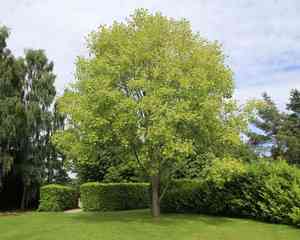
To achieve optimal development for tulip poplar, relocate it during the pleasant window from late spring through midsummer. Select a location that receives abundant sunshine and possesses soil with good drainage. Beneficial transplanting advice involves guaranteeing adequate distance between plants and supplying regular hydration.
What Preparations are Needed Before Transplanting Tulip Poplar?
What is the Ideal Time for Transplanting Tulip Poplar?
The optimal period for relocating tulip poplar is from late spring through mid-summer. This timeframe guarantees prime growing conditions, minimizes transplant stress, and boosts survival rates. Happy planting!
How Much Space Should You Leave Between Tulip Poplar Plants?
For tulip poplar, it's crucial to allow ample room for development and flourishing. Aim for a separation of approximately 25-35 feet (7.6-10.6 meters) between plants when moving them.
What is the Best Soil Mix for Tulip Poplar Transplanting?
To prepare the ground for tulip poplar, cultivate well-draining, slightly acidic soil (pH 5.5-7.0) and incorporate organic matter such as compost. Consider adding a general-purpose, slow-release base fertilizer.
Where Should You Relocate Your Tulip Poplar?
When selecting the new site for tulip poplar, choose a location with full to partial sun exposure. Ensure it receives a minimum of 4-6 hours of direct sunlight daily for optimal growth and development.
What Equipments Should You Prepare Before Transplantation Tulip Poplar?
Gardening Gloves
To safeguard your hands while handling soil and the plant.
Shovel or Spade
To excavate holes and carefully extract the tulip poplar plant from its initial spot.
Hand trowel
For precise digging when relocating smaller plants or young sprouts.
Pruning Shears
To trim and shape the tulip poplar plant prior to its relocation.
Garden Fork
To aerate the soil in the new planting area.
Watering Can or Hose
To hydrate the tulip poplar plant during and after its move.
Mulch
To aid in retaining moisture and regulating soil temperature around the recently transplanted tulip poplar.
How Do You Remove Tulip Poplar from the Soil?
How Do You Remove Tulip Poplar from the Soil?
- From Ground:Moisten the tulip poplar plant to dampen the soil. Then, excavate a broad trench around the plant using a shovel or spade, ensuring the plant's root ball remains intact. Carefully work the spade beneath the root ball to lift the plant from its original position.- From Pot:Hydrate the tulip poplar plant to moisten the soil and facilitate its removal. Gently tap the pot's sides to loosen the soil and root ball, then carefully slide the plant and root ball out of the container.- From Seedling Tray:Water the tulip poplar seedlings to moisten the soil. Use a hand trowel or a fork to gently extract each seedling from its cell, taking care not to harm the roots or stems.
Step-by-Step Guide for Transplanting Tulip Poplar
Preparation
Before relocating, thoroughly water the tulip poplar to lessen transplant shock and simplify plant removal.
Site Selection
Choose a spot with adequate sunlight and room for your tulip poplar plant to reach its mature size.
Digging a Hole
Using a shovel, dig a hole as deep as the root ball and twice its width to provide ample space for the roots.
Preparing the Soil
Loosen the soil around the hole with a garden fork to allow roots to penetrate more easily.
Placing the Plant
Carefully position the tulip poplar plant and its root ball into the hole, ensuring the top of the root ball is level with the surrounding ground.
Backfilling
Gently refill the hole with soil, pressing down firmly to eliminate air pockets and provide stability to the tulip poplar plant.
Watering
Thoroughly water the tulip poplar plant to settle the soil around the roots and aid in establishing the plant in its new location.
Mulching
Apply a layer of mulch around the base of the tulip poplar plant to help retain moisture and regulate soil temperature.
How Do You Care For Tulip Poplar After Transplanting?
Watering
Keep the soil around the tulip poplar consistently damp, but not waterlogged, for the initial weeks post-transplant to encourage strong root development.
Pruning
Trim the tulip poplar plant as needed to maintain its form and encourage healthy growth.
Monitoring
Regularly check the tulip poplar plant for indications of transplant shock, such as wilting or yellowing leaves, and adjust your care accordingly.
Pest Control
Inspect the tulip poplar for pests and diseases, and apply suitable treatments as necessary to keep the plant healthy.
Fertilization
Apply a slow-release fertilizer in early spring to support the growth of the tulip poplar plant throughout the season.
Troubleshooting Common Issues with Tulip Poplar Transplantation.
When is the best time to transplant tulip poplar?
The optimal period to relocate tulip poplar is late spring to mid-summer, as the plant establishes more quickly in warmer weather.
What is the recommended spacing for transplanting tulip poplar?
Ensure you provide ample room for growth by spacing tulip poplar 25-35 feet (7.6-10.7 meters) apart.
How do I properly prepare the soil for tulip poplar?
Loosen the soil and mix in organic matter to improve drainage and fertility. Tulip poplar prefers slightly acidic soil.
What's the ideal planting depth for tulip poplar?
Plant tulip poplar 2-3 inches (5-8 cm) deeper than it was in its original container to encourage a more stable root system.
How much water does tulip poplar need after transplanting?
Keep the soil consistently moist but never soggy after transplanting. Adjust the watering amount depending on rainfall and temperature.
What kind of sunlight do newly transplanted tulip poplar need?
Tulip poplar thrives in full sun to partial shade. Ensure the selected location receives at least 4-6 hours of direct sunlight per day.
Should I stake the tulip poplar after transplanting?
Yes, staking is helpful during the first year as it provides support to the tulip poplar and ensures a straight trunk.
How do I protect tulip poplar from pests and diseases after transplanting?
Monitor the plant regularly and use organic pest control or fungicide if needed. Proper watering and good airflow around tulip poplar can help prevent issues.
When should I fertilize transplanted tulip poplar?
Fertilize tulip poplar in the late spring, using a slow-release, balanced fertilizer. Avoid fertilizing immediately after transplanting.
What should I do if transplant shock occurs with tulip poplar?
Keep the plant well-watered, maintain proper mulch and remove any damaged or wilting leaves to help the tulip poplar recover from transplant shock.



