How to Transplant Oriental sweet gum?
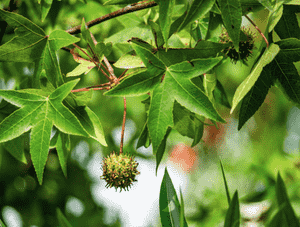
The optimal period for relocating oriental sweet gum spans from late spring through the initial weeks of summer, as this temperate climate aids in root integration. Select a location featuring soil that drains effectively, and bear in mind that careful manipulation is crucial to prevent transplant shock.
What Preparations are Needed Before Transplanting Oriental Sweet Gum?
What is the Ideal Time for Transplanting Oriental Sweet Gum?
The optimal period for relocating oriental sweet gum spans from the lively embrace of mid-spring to the onset of summer. This timeframe guarantees root establishment in warm soil, promoting vigorous development. Moving oriental sweet gum now captures the essence of its active growth phase, providing the necessary support for its progress. In simple terms, carefully placing oriental sweet gum in its new spot during this season sets the stage for thriving success.
How Much Space Should You Leave Between Oriental Sweet Gum Plants?
When getting ready to move oriental sweet gum, aim for ample spacing. These beautiful plants flourish with room to expand their branches, so position each one approximately 20-30 feet (6-9 meters) apart. This will allow them to grow without competing for nutrients or sunlight!
What is the Best Soil Mix for Oriental Sweet Gum Transplanting?
Before relocating oriental sweet gum, understand their preference for rich, well-drained soil. Begin by incorporating organic compost to enrich the earth. I suggest a balanced, slow-release fertilizer to give your oriental sweet gum an excellent start. Simply sprinkle it into the planting hole and mix thoroughly with the soil.
Where Should You Relocate Your Oriental Sweet Gum?
Oriental sweet gum loves the sun! When searching for the perfect spot, look for an area that receives full sunlight. They will be most content in a location that allows them to soak in at least 6-8 hours of direct sunlight daily. This will help ensure your oriental sweet gum grows strong and healthy.
What Equipments Should You Prepare Before Transplantation Oriental Sweet Gum?
Gardening Gloves
To safeguard your hands while handling soil and plants.
Shovel or Spade
For excavating the plant and preparing the new planting site.
Watering Can or Hose
To hydrate the plant during and after the relocation process.
Tarp or Burlap
To secure the soil around the root ball when moving the plant.
Pruning Shears
For trimming any damaged roots or branches.
Wheelbarrow or Garden Cart
To transport the plant and soil if necessary.
Root Pruning Saw or Knife
For cutting through dense root systems if required.
How Do You Remove Oriental Sweet Gum from the Soil?
How Do You Remove Oriental Sweet Gum from the Soil?
From Ground: Water the oriental sweet gum to moisten the soil. Dig a wide trench around the plant using a shovel or spade, taking care to keep the root ball intact. Use the spade to gently lift the plant from the ground.From Pot: Water the plant to facilitate the root ball's removal from the pot. Tilt the pot and gently tap its sides to loosen the soil. Slide the plant out of the pot while supporting its base and stem.From Seedling Tray: Water the seedlings to dampen the soil. Use a spoon or similar tool to carefully extract the seedling from its compartment, ensuring minimal root disturbance.
Step-by-Step Guide for Transplanting Oriental Sweet Gum
Preparation
Prepare the new planting area by clearing any weeds and debris. Ensure the hole is twice the width of the root ball.
Root Pruning
Trim any broken or overly long roots with pruning shears, encouraging healthy root development.
Transportation
Place the root ball on a tarp or burlap to move the oriental sweet gum to its new spot without harming the roots.
Planting Hole
Dig a hole as deep as the root ball and twice as wide to provide ample space for root expansion.
Placement
Lower the oriental sweet gum into the hole, positioning it at the same depth it was previously growing. Ensure it stands upright.
Backfilling
Gently refill the hole with the excavated soil, firming it around the plant to eliminate air pockets.
Watering
Water the oriental sweet gum thoroughly after planting to settle the soil around the roots and remove any remaining air pockets.
Mulching
Apply a layer of mulch around the base of the oriental sweet gum, keeping it away from the stem to prevent rot.
How Do You Care For Oriental Sweet Gum After Transplanting?
Stabilization
Stake the oriental sweet gum if needed to provide support in its new location until it's established.
Monitoring
Regularly inspect the oriental sweet gum for signs of stress like wilting or yellowing leaves and address any issues promptly.
Pruning
Trim any damaged or dead branches to redirect energy towards root and foliage growth.
Consistent Care
Continue to care for the oriental sweet gum, providing water as necessary to maintain soil moisture while preventing waterlogging.
Troubleshooting Common Issues with Oriental Sweet Gum Transplantation.
What's the best time to transplant oriental sweet gum?
Relocating oriental sweet gum is best done from late spring to early summer, leveraging the active growing season.
How far apart should oriental sweet gum be spaced?
Ensure a generous distance of approximately 20-30 feet (6-9 meters) between oriental sweet gum to accommodate their mature size.
Why are oriental sweet gum leaves wilting after transplant?
Wilting can result from shock or insufficient watering. Keep the soil consistently moist to aid recovery.
Can oriental sweet gum be transplanted on a hot day?
Choose cooler, overcast days to minimize transplant shock and reduce moisture loss.
How deep should the new hole be for oriental sweet gum?
The new hole should be twice as wide and as deep as the root ball.
Why isn't my transplanted oriental sweet gum showing new growth?
Patience is key! Oriental sweet gum may prioritize root establishment before new growth emerges.
Should I fertilize oriental sweet gum right after transplanting?
Wait until oriental sweet gum has adapted to its new environment, typically a few months, before fertilizing.
How should I water oriental sweet gum after transplanting?
Water deeply and regularly after transplanting, allowing the soil to settle without becoming waterlogged.
When can I prune oriental sweet gum after transplanting?
Prune only damaged or dead branches post-transplant. Reserve major pruning for one year later.
My transplanted oriental sweet gum looks stressed, what should I do?
Ensure it's well-watered, protected from extreme weather, and avoid additional stressors like excessive pruning.



