How to Transplant Northern spicebush?
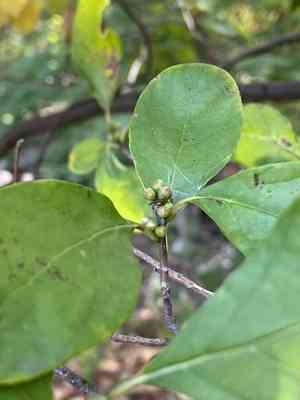
For northern spicebush, the ideal period for a successful relocation is from the end of spring to the beginning of summer. This schedule enables the plant to settle into a partially shaded spot with adequately draining earth prior to the peak of summer.
Essential Preparations Before Relocating Northern Spicebush?
When is the Best Time to Move Northern Spicebush?
The prime window for transplanting northern spicebush spans from late spring to early summer. This timing offers moderate temperatures, fostering root development without the harsh summer heat. Moving northern spicebush during this season benefits from increased daylight and adequate rainfall, promoting robust growth and reducing the need for extra irrigation. A friendly tip: this helps northern spicebush settle in comfortably before summer's peak, leading to a happier, healthier specimen.
What is the Recommended Spacing Between Northern Spicebush Plants?
Allow ample room for each northern spicebush plant to expand. I advise positioning plants 5-10 feet (1.5-3 meters) apart. This spacing will enhance their drought tolerance and improve air circulation, thereby lowering disease risk.
What is the Optimal Soil Blend for Northern Spicebush Transplantation?
Your northern spicebush plants will thrive in well-drained soil, rich in organic material. Prior to transplanting, enrich the soil by incorporating compost, peat moss, or a slow-release granular fertilizer. This will supply the necessary nutrients for a strong start.
Where Should You Replant Your Northern Spicebush?
Select a location with partial to full sun exposure for your northern spicebush plants. They appreciate bright light but are not fond of intense midday sun. A spot receiving morning sunlight and afternoon shade would be ideal.
What Tools Are Necessary Before Transplanting Northern Spicebush?
Gardening Gloves
To safeguard your hands from dirt and potential irritants.
Shovel or Spade
For carefully excavating the northern spicebush plant from its original spot without harming the roots.
Gardening Trowel
For preparing the planting hole at the new site.
Pot (if applicable)
Required if you are moving the plant from a container or seedling tray.
Wheelbarrow or Gardening Cart
To safely transport the plant between locations, preventing root damage.
Mulch
To help retain soil moisture and shield against temperature extremes after transplanting.
How to Extract Northern Spicebush from the Soil?
How to Extract Northern Spicebush from the Soil?
From Ground: First, thoroughly water the northern spicebush plant until the surrounding soil is adequately moist. Use your shovel or spade to gently dig around the plant, being careful to keep the root ball intact. Gradually work your tool beneath the root ball and very carefully lift the plant, preserving as many roots as possible.From Pot: If the northern spicebush is currently in a pot, water it thoroughly until the soil loosens sufficiently. Tilt the pot slightly and gently tap its sides. The plant should slide out. If it doesn't, check for roots protruding from the drainage holes – they might be causing an obstruction.From Seedling Tray: When handling seedlings, water the tray first. Then, push from the bottom while gently holding the top of the seedling. Squeeze the sides of the cell or pot until the seedling and its soil come free.
Step-by-Step Guide for Transplanting Northern Spicebush
Root Care
Aim to retain as much of the original soil around the roots as possible to minimize stress. Ensure the roots remain damp until you are ready to plant.
Hole Preparation
Excavate a hole twice the width and the same depth as the northern spicebush's root ball using your trowel. A wider hole allows roots ample space to spread and grow.
Placing the Plant
Position the plant in the hole. The top of the root ball should be level with or slightly above the surrounding soil surface.
Filling the Hole
Backfill the hole with the soil you removed. Gently tamp down and create a shallow water ring around the plant to direct water towards the roots.
Watering
Water the plant thoroughly immediately after transplanting. This will settle the soil and eliminate air pockets.
Mulching
Apply a 2-3 inch layer of mulch around the base of the northern spicebush, keeping a few inches away from the trunk to prevent rot.
How to Care for Northern Spicebush After Transplanting?
Watering
Ensure northern spicebush remains well-hydrated after transplanting, especially during the initial weeks of establishment. The soil should be consistently moist, but not waterlogged or saturated.
Mulching
Periodically inspect your mulch. Replenish or add as needed to maintain the 2-3 inch layer, which helps regulate soil moisture and temperature.
Monitoring
Regularly check northern spicebush for indications of transplant shock or stress, such as wilting or discoloration. If these appear, adjust your watering and/or mulch. If symptoms persist, consider consulting a local nursery or extension service.
Resolving Common Issues with Northern Spicebush Transplantation.
What is the optimal period to transplant northern spicebush?
Northern spicebush is best moved during cooler, transitional periods—specifically late summer to early winter.
How do I prepare northern spicebush for relocation?
Begin by watering the plant generously the day before. This hydrates northern spicebush and lessens the shock of transplantation.
What is the ideal distance between two northern spicebush plants when transplanting?
Ideally, you should position northern spicebush plants 5-10 feet (1.5-3 meters) apart. This provides sufficient room for growth without competition.
How deep should I dig the transplantation hole for northern spicebush?
The hole should be twice the width and the same depth as the root ball. This accommodates northern spicebush's development.
The leaves of my transplanted northern spicebush are wilting. What should I do?
Don't be concerned, minor wilting after transplanting is normal. Ensure the plant receives ample water and be patient. It should recover.
How frequently should I water northern spicebush after transplanting?
During the first few weeks, keep the soil consistently moist but not saturated. Afterward, northern spicebush will require less frequent watering.
Why are the leaves of my transplanted northern spicebush turning yellow?
Yellowing leaves might indicate overwatering or a nutrient deficiency. Try reducing watering frequency or applying a balanced fertilizer.
Is there a specific soil type that northern spicebush prefers?
Northern spicebush thrives in well-draining soil with a slightly acidic to neutral pH. You can amend your soil with organic matter to achieve this profile.
Does northern spicebush require pruning immediately after transplantation?
No, it's best to wait until northern spicebush is established before pruning. This allows the plant to focus energy on root development.
My transplanted northern spicebush isn't growing as expected. What can I do?
Ensure you are meeting northern spicebush's requirements: correct spacing, adequate watering, proper soil, and light conditions. If problems persist, consult a horticulturist.



