How to Transplant Wavyleaf sea lavender?
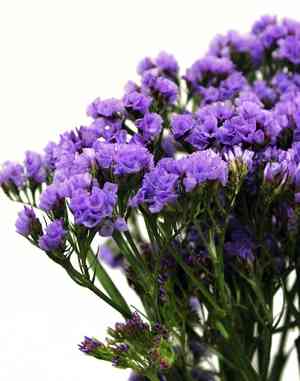
The most favorable period for relocating wavyleaf sea lavender is in mid-spring, as this provides perfect temperatures for root development. Choose a bright location with soil that drains effectively to guarantee the wavyleaf sea lavender flourishes. Careful handling is crucial to prevent harm to the roots.
Essential Preparations Before Moving Wavyleaf Sea Lavender
Optimal Period for Relocating Wavyleaf Sea Lavender?
The best time to move wavyleaf sea lavender is during the mild warmth of mid to late spring. This period offers ideal soil temperatures and favorable weather, promoting robust root development before summer's heat. Transplanting wavyleaf sea lavender then encourages vigorous growth, as spring's gentle conditions minimize shock, ensuring a smooth transition to its new spot.
Required Spacing Between Wavyleaf Sea Lavender Plants?
Ensure your wavyleaf sea lavender has ample room! Provide approximately 1-2 feet (30-60 cm) of space between each plant. This allows them sufficient area to expand and flourish freely.
Best Soil Mixture for Wavyleaf Sea Lavender Transplanting?
Wavyleaf sea lavender thrives in well-draining soil, so opt for sandy or loamy types. Before planting, incorporate a generous amount of compost or a slow-release granular fertilizer. This will supply the necessary nutrients for your plants to prosper.
Choosing a New Location for Your Wavyleaf Sea Lavender?
When selecting the perfect transplant site, remember wavyleaf sea lavender flourishes in full sun. Avoid shaded areas. A sunny location enables your plant to absorb plenty of sunlight, supporting healthy development.
Tools Required Before Transplanting Wavyleaf Sea Lavender?
Gardening Gloves
To protect your hands from dirt, soil, and sharp objects when handling the plant and earth.
Trowel
A small hand tool useful for creating the transplant hole.
Spade
This will be used to dig around the plant if it is already established in the ground.
Watering Can
This will allow for gentle watering of the plant before and after the transplant.
Wheelbarrow
For transporting soil and the plant to its new position.
Pruning Shears
To trim the plant before and after the transplant to encourage healthier growth.
How to Extract Wavyleaf Sea Lavender from the Soil?
How to Extract Wavyleaf Sea Lavender from the Soil?
From the Ground: First, water the wavyleaf sea lavender plant to soften the surrounding soil. Then, use a spade to dig a trench around the plant, ensuring the root ball remains undamaged. Carefully lift the plant from its original spot by raising the spade beneath the root ball.From a Pot: Begin by watering the potted plant to moisten the soil, making root removal easier. Then, tilt the pot sideways and gently pull out the plant, taking care not to harm the roots.From a Seedling Tray: First, water the seedling tray to keep the soil soft. Use a small utensil, such as a spoon, to carefully lift the seedling from the tray, ensuring the delicate roots are not damaged.
Step-by-Step Guide for Relocating Wavyleaf Sea Lavender
Excavating the Hole
Use a trowel to dig a hole in the new location for your wavyleaf sea lavender plant. The hole should be as deep as the roots and twice as wide.
Preparing the wavyleaf sea lavender
Trim any damaged or diseased leaves using pruning shears. This not only helps reduce plant stress but also promotes new growth after the transplant.
Positioning the wavyleaf sea lavender
Place the wavyleaf sea lavender in the hole, ensuring its uppermost roots are level with or slightly below the soil surface. Improper depth can hinder its growth.
Backfilling
Refill the hole with the excavated soil. Lightly compact the soil around the base of the wavyleaf sea lavender to ensure it is firm and stable.
Watering
Water the plant immediately after transplanting. Do so slowly and deeply, avoiding splashing on the leaves.
Post-Transplant Care for Wavyleaf Sea Lavender
Pruning
Regularly inspect the wavyleaf sea lavender and remove any dead or decaying parts. This promotes healthier growth and prevents disease.
Watering
For the initial one to two weeks, water the wavyleaf sea lavender consistently to help it establish in its new spot. Afterward, water according to the plant's usual needs unless there's significant rainfall.
Mulching
Apply a layer of mulch around the plant's base, but keep it away from the stem. Mulch aids in retaining soil moisture and suppressing weed growth.
Monitoring
Keep a close watch on the plant's health. If you observe wilting leaves or other signs of stress, the plant may require additional attention.
Addressing Common Issues During Wavyleaf Sea Lavender Transplantation.
When is the best time to transplant wavyleaf sea lavender?
Ideally, wavyleaf sea lavender should be moved during the S2-S3 season. This aligns with the plant's peak growth period, ensuring successful transplantation.
How long should I water wavyleaf sea lavender before moving it?
You should thoroughly water the wavyleaf sea lavender approximately 24 to 48 hours prior to transplanting. This helps the plant stay hydrated during the transition.
How much space does wavyleaf sea lavender need during transplantation?
Wavyleaf sea lavender requires 1-2 feet (about 30-60 cm) of spacing to ensure adequate light and air circulation. Overcrowded plants can impede growth and lead to disease.
What to do after wavyleaf sea lavender is transplanted?
After transplanting, water the wavyleaf sea lavender thoroughly, but avoid overwatering. Regularly monitor the plant for any signs of transplant shock or illness.
What should be the depth of the hole for transplanting wavyleaf sea lavender?
The depth should be just enough to cover the root, typically about 6-8 inches (15-20 cm) deep. Too deep or shallow can stress the plant.
How can I reduce transplant shock for the wavyleaf sea lavender?
To alleviate transplant shock, maintain consistent watering but avoid overwatering. Ensure the plant is in a location that meets its sunlight requirements.
What can I add to the soil when transplanting wavyleaf sea lavender?
Add organic matter like compost to the transplant hole; it improves soil structure and provides nutrients, enhancing wavyleaf sea lavender's growth.
How important is the container size for transplanting wavyleaf sea lavender?
The container size is crucial! It should be wide and deep enough for wavyleaf sea lavender's roots to grow without becoming root-bound.
Can wavyleaf sea lavender tolerate transplantation in harsh weather conditions?
Wavyleaf sea lavender prefers optimal conditions for transplantation. Excessive cold, heat, or winds may hinder its establishment and growth.
How to handle the roots of wavyleaf sea lavender during transplantation?
Be gentle when handling the roots of wavyleaf sea lavender to prevent damage. Excessive root exposure can lead to desiccation or bruising.



