How to Transplant Madonna lily?
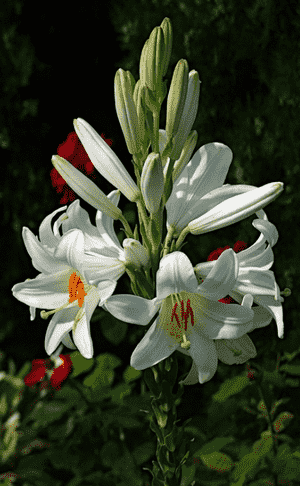
The optimal period for relocating madonna lily is during the peak of spring, capitalizing on vigorous development. Select a location bathed in sunlight with soil that drains effectively. To ensure a flourishing madonna lily, amend the area with compost prior to planting, facilitating an effortless adjustment.
What Preparations are Needed Before Transplanting Madonna Lily?
What is the Ideal Time for Transplanting Madonna Lily?
The best time to move madonna lily is at the start of spring's revival or in the midst of its awakening. During this period, the cool yet promising weather aids root establishment without the strain of summer's heat. Relocating madonna lily ensures strong growth by allowing it to adapt and focus on root development before summer fully arrives. This step guarantees your madonna lily will benefit from the spring growth surge, setting the stage for a beautiful display.
How Much Space Should You Leave Between Madonna Lily Plants?
Ensure adequate room for madonna lily to expand. Ideally, aim for a separation of approximately 1 foot (about 30 cm) between each plant when transplanting. This guarantees each plant has sufficient individual space to thrive!
What is the Best Soil Mix for Madonna Lily Transplanting?
Prepare your garden bed with soil that drains well. Rich, fertile soil is perfect for madonna lily. You can enhance it further by incorporating organic material such as compost or aged manure. A balanced slow-release fertilizer at planting time will help jumpstart their growth.
Where Should You Relocate Your Madonna Lily?
Select a sunny location for madonna lily! They require at least six hours of sunlight daily. However, they appreciate some afternoon shade in hotter climates. Therefore, a spot with partial shade is also suitable. Remember, proper light conditions can significantly impact their growth.
What Equipments Should You Prepare Before Transplantation Madonna Lily?
Gardening Gloves
To safeguard your hands from dirt and thorns.
Spade or Shovel
Crucial for excavating the madonna lily from its current spot and for digging a new hole at the transplant site.
Garden Fork
Helpful for lifting the plant and gently loosening its roots without causing damage.
Gardening Trowel
For precise digging and planting in the new location.
Watering Can
To keep the plant hydrated during relocation and for subsequent watering.
Organic Compost
To enrich the planting hole and boost the plant's vitality.
Stakes and Ties
To offer support to the madonna lily as it establishes itself in its new environment.
How Do You Remove Madonna Lily from the Soil?
How Do You Remove Madonna Lily from the Soil?
From Ground: First, water the madonna lily to moisten the soil, making it easier to dig. Use a spade or shovel to dig around the plant, ensuring enough space to keep the root ball intact. Carefully lift the plant with a garden fork to minimize root damage.From Pot: Water the madonna lily and wait a short while. Then, turn the pot sideways and tap it gently to loosen the plant. Carefully slide out the plant, supporting the base and avoiding pulling on the plant itself.From Seedling Tray: Water the madonna lily and use a gardening trowel to gently scoop out the plant and its surrounding soil. Be careful not to harm the roots.
Step-by-Step Guide for Transplanting Madonna Lily
Preparation
Ensure the new site is ready before extracting the madonna lily. Dig a hole approximately twice as wide and the same depth as the plant's root ball. Incorporate organic compost into the hole to enhance soil texture and fertility.
Removal
Follow the instructions provided above based on the madonna lily's original placement.
Placement
Position the madonna lily in the hole, making sure it is at the same depth as it was in its initial spot.
Backfilling
Gently fill the hole with soil, avoiding excessive compaction.
Watering
Water generously, saturating the soil without causing waterlogging.
Staking
Utilize stakes and ties to provide support to the madonna lily if it needs stability during its initial growth phase.
How Do You Care For Madonna Lily After Transplanting?
Watering
Maintain consistently moist soil, but avoid waterlogging. Continuous hydration is vital for the madonna lily during its initial re-rooting phase.
Mulching
Apply a layer of organic mulch around the base of the madonna lily to help retain soil moisture and inhibit weed growth.
Pruning
Remove any dead or dying leaves to direct the madonna lily's energy towards new growth and reduce the chance of disease.
Monitoring
Regularly inspect the madonna lily for signs of transplant shock such as wilting, yellowing, or dropping leaves. If symptoms persist, consult a gardening expert or local nursery.
Troubleshooting Common Issues with Madonna Lily Transplantation.
When is the best time to transplant madonna lily?
Ideally, you'd want to transplant madonna lily during the S1-S2 period, the perfect time for madonna lily to get ready for the next growing season.
How much space should I leave between each madonna lily when transplanting?
Ensure you leave a space of around 1 foot (approximately 30 cm) between each plant. This spacing gives madonna lily ample room to flourish.
Do I need to prepare the soil before transplanting madonna lily?
Yes, preparing the soil improves planting success. Clear the area of weeds, then enrich with compost or manure. Make sure it's well-draining to avoid root rot.
Why are the leaves of my transplanted madonna lily turning yellow?
Yellow leaves could indicate overwatering or poor drainage. Ensure the madonna lily is watered moderately and the soil around it drains well to prevent waterlogging.
What depth should I transplant madonna lily into the soil?
Planting depth is crucial for madonna lily's success. As a rule of thumb, plant bulb 3 times deeper than their height - around 6 inches (15 cm) deep.
What type of soil does madonna lily prefer?
Madonna lily thrives in well-draining soil, enriched with organic matter. Soil pH should be slightly acidic to neutral. If unsure, a soil test can guide adjustments.
What is the right way to water transplanted madonna lily?
Keep the soil moderately moist but avoid overwatering which can cause root rot. Water deeply and less often, allowing the top 2 inches (5 cm) to dry out between watering.
How can I handle root damage during transplanting madonna lily?
Minimize root damage by transplanting with care. If damage does occur, prune the damaged roots. A root growth hormone can also encourage regrowth and recovery.
Why isn't my transplanted madonna lily flowering?
Madonna lily may not bloom if there's insufficient sunlight, inadequate nutrients, or incorrect planting depth. Verify these factors and adjust as necessary for better growth.
Should I fertilize madonna lily after transplanting?
Yes, after transplanting, apply a slow-release bulb fertilizer to promote root development and growth. Remember, overfertilizing can harm madonna lily, so follow your fertilizer's instructions closely.



