How to Transplant Chinese privet?
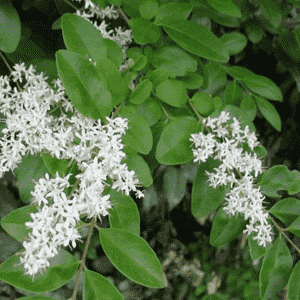
Relocate chinese privet during the prime window of late spring through mid-summer to ensure peak development. Select a site featuring adequately draining earth and exposure ranging from partial to complete sunlight. Be sure to irrigate chinese privet regularly following its relocation to foster robust root systems. Savor your flourishing chinese privet!
What Preparations are Needed Before Transplanting Chinese Privet?
What is the Ideal Time for Transplanting Chinese Privet?
The optimal period to relocate chinese privet is during the appealing stretch from late spring to mid-summer. This timeframe facilitates excellent root development and robust growth, ensuring a beautiful, thriving plant in your garden.
How Much Space Should You Leave Between Chinese Privet Plants?
When transplanting chinese privet, maintain a separation of approximately 12-15 feet (3.7-4.6 meters) between plants. This provides ample room for them to expand and flourish without becoming too dense.
What is the Best Soil Mix for Chinese Privet Transplanting?
Prepare the ground with a soil blend that drains effectively, such as sandy loam or loamy soil. Incorporate organic material like compost or aged manure as a foundational fertilizer to supply essential nutrients to chinese privet.
Where Should You Relocate Your Chinese Privet?
Select a site with full sun to partial shade for transplanting chinese privet. It can endure various light conditions, but it flourishes most effectively with exposure to roughly 4-6 hours of sunlight daily.
What Equipments Should You Prepare Before Transplantation Chinese Privet?
Gardening Gloves
To safeguard your hands while handling soil and plants.
Shovel or Garden Spade
For excavating ditches and holes for the chinese privet transplant.
Watering Can or Hose
To hydrate the plant before and after its relocation.
Pruning Shears
To trim any damaged or overgrown branches prior to transplanting.
Garden Fork
To aerate the soil and aid in mixing in organic matter or compost.
Organic Compost or Slow-release Fertilizer
To enrich the soil and encourage vigorous development.
Mulch
To help retain soil moisture and stabilize soil temperature post-transplant.
How Do You Remove Chinese Privet from the Soil?
How Do You Remove Chinese Privet from the Soil?
- From Ground:First, moisten the chinese privet to dampen the soil. Next, excavate a wide trench around the plant using a shovel or spade, ensuring the plant's root ball remains intact. Carefully work the spade beneath the root ball to lift the plant from its original spot.- From Pot:Thoroughly water the chinese privet in its container. Gently tap the pot's sides to loosen the soil and roots. Grasp the base of the plant's stem as you carefully slide it out of the pot, keeping the root ball undisturbed.- From Seedling Tray:Water the seedlings well and use a small tool, such as a spoon, to carefully dig around the base of the chinese privet seedling. Gently lift the seedling, holding it by its stem or leaves, ensuring the root system remains as undisturbed as possible.
Step-by-Step Guide for Transplanting Chinese Privet
Site Preparation
Begin by clearing the planting area of any weeds or debris. Then, use a garden fork to loosen the soil and incorporate organic compost or slow-release fertilizer.
Digging the Hole
Excavate a hole slightly larger than the chinese privet's root ball with your shovel or spade. The depth should match that of the root ball.
Placing the Plant
Carefully position the chinese privet in the hole, ensuring it is upright and straight. The top of the root ball should be level with the surrounding soil surface.
Refilling the Hole
Backfill the hole with the excavated soil, gently pressing down to eliminate air pockets and ensure firm contact between the root ball and the soil.
Watering
Water the chinese privet generously to help settle the soil around the roots and prevent air pockets from forming.
Mulching
Apply a 2-3 inch layer of mulch around the base of the chinese privet to help retain moisture and regulate soil temperature. Ensure the mulch is kept a few inches away from the plant's stem to prevent rotting.
How Do You Care For Chinese Privet After Transplanting?
Watering
Keep the soil around the chinese privet consistently moist, but not waterlogged, for the initial weeks after transplanting to aid in establishing strong roots.
Pruning
Remove any damaged or dead branches to encourage healthy growth and prevent the spread of disease.
Fertilizing
Apply a slow-release fertilizer or mix organic compost into the soil periodically to promote healthy growth.
Pest Management
Keep a close watch on the chinese privet for signs of pests or diseases, and address them promptly with suitable methods.
Monitoring Growth
Regularly inspect the chinese privet to ensure it is growing healthily and adjust care as needed. Allow it time to adapt to the new environment, as some transplant shock is normal.
Troubleshooting Common Issues with Chinese Privet Transplantation.
When's the best time to transplant chinese privet?
The ideal period for relocating chinese privet is between late spring and mid-summer, when the plant is actively growing.
What's the recommended spacing for chinese privet?
For optimal growth, transplant chinese privet plants 12-15 feet apart (3.6-4.5 meters), providing ample space.
How deep and wide should I dig for chinese privet transplant?
Dig a hole twice as wide and slightly deeper than the root ball, allowing sufficient room for root development.
What's the preferred soil type for transplanting chinese privet?
Chinese privet thrives in well-drained, fertile soil. Amend soil with compost to enhance its structure and richness.
How to properly water chinese privet after transplanting?
Water chinese privet generously after transplanting, and continue with deep watering 1-2 times a week for the first month.
What sunlight requirements does chinese privet need after transplanting?
Place chinese privet in a location that receives at least 6-8 hours of direct sunlight daily for optimal growth.
What's the optimal temperature range for transplanting chinese privet?
Chinese privet tolerates a wide range of temperatures, but transplanting is best performed between 50°F-70°F (10°C-21°C).
When should I prune chinese privet after transplanting?
Give chinese privet a light pruning after transplanting to encourage bushiness, and then prune annually in late winter.
How can I promote root growth in my transplanted chinese privet?
Apply root stimulator after transplanting, and ensure well-drained soil, sufficient water, and proper sunlight exposure.
What should I do if my transplanted chinese privet shows signs of stress?
Monitor soil moisture, sunlight, and temperature conditions. Adjust water, pruning or transplant location as needed.



