How to Transplant Dotted Gayfeather?
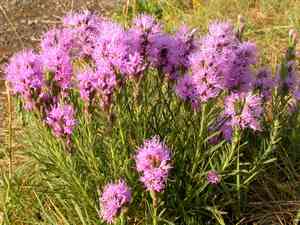
Relocate dotted Gayfeather once the ground thaws, during the initial period of spring, to ensure the best root development. Select locations that receive ample sunlight and possess good drainage. Carefully introduce dotted Gayfeather to its new environment to avoid stress from the move.
What Preparations are Needed Before Transplanting Dotted Gayfeather?
What is the Ideal Time for Transplanting Dotted Gayfeather?
As winter's cold recedes, the arrival of the warm and revitalizing spring season presents the best opportunity to relocate dotted Gayfeather. Giving dotted Gayfeather a fresh start when the ground is cool but unfrozen allows its root system to establish before summer's heat. By planting dotted Gayfeather during this period, they benefit fully from spring's mild climate, avoiding heat stress and promoting vigorous development. This early advantage in the cool embrace of the growing season ensures dotted Gayfeather's vitality and resilience, leveraging nature's cycle for a strong foundation.
How Much Space Should You Leave Between Dotted Gayfeather Plants?
Before you begin planting, ensure adequate spacing for dotted Gayfeather to flourish. Ideally, maintain a distance of approximately 1-2 feet (30-60 cm) between each plant. This provides ample room for growth without overcrowding.
What is the Best Soil Mix for Dotted Gayfeather Transplanting?
To prepare the soil for dotted Gayfeather, you'll need well-draining soil to prevent water accumulation. Incorporate a nutrient-rich base fertilizer to give your plants the best start. A balanced slow-release fertilizer will be perfectly suitable.
Where Should You Relocate Your Dotted Gayfeather?
When selecting a site for your dotted Gayfeather, remember they thrive in sunlight. Choose a garden location that receives full sun, allowing your plants to absorb the necessary rays for optimal growth.
What Equipments Should You Prepare Before Transplantation Dotted Gayfeather?
Gardening Gloves
Essential for safeguarding your hands while handling soil and plants.
Shovel or Spade
This implement is crucial for excavating a hole of appropriate dimensions for your dotted Gayfeather plant.
Garden Fork
Useful for gently lifting the plant, especially from a container, without harming the roots.
Watering Can
For hydrating the plant both before and after its relocation.
Mulch
This is used to maintain soil moisture and regulate temperature after transplanting.
Compost or Organic Matter
To enhance soil structure and supply essential nutrients for dotted Gayfeather's development.
How Do You Remove Dotted Gayfeather from the Soil?
How Do You Remove Dotted Gayfeather from the Soil?
From Ground: First, water the dotted Gayfeather plant to moisten the earth. Use a shovel to dig around the plant, ensuring the root ball remains intact. Carefully maneuver the spade beneath the root ball to lift the plant.From Pot: Water the container to loosen the soil. Grasp the dotted Gayfeather plant at its base, tilt the pot sideways, and continue to pull gently. If the plant still doesn't release, you can use a garden fork to carefully loosen the soil around the edges.From Seedling Tray: Water the tray and use a spoon or similar tool to loosen the soil around the dotted Gayfeather seedling. Be cautious to preserve the integrity of the root system as much as possible.
Step-by-Step Guide for Transplanting Dotted Gayfeather
Plant Removal
Execute the correct removal procedure for your dotted Gayfeather plant based on its original placement as detailed above.
Prepare the Transplant Site
Dig a hole at the new location that is approximately twice the size of the dotted Gayfeather's root ball. Sprinkle some compost or organic material into the hole.
Transplanting
Position the dotted Gayfeather in the center of the hole. Backfill the hole with the excavated soil and gently press down to eliminate any air pockets, ensuring the plant is neither buried too deep nor sitting too high above the ground.
Watering
Use your watering can to thoroughly hydrate the dotted Gayfeather after transplanting; this will help settle the soil around its roots.
How Do You Care For Dotted Gayfeather After Transplanting?
Watering
The dotted Gayfeather requires frequent irrigation after transplant to establish its roots. Keep the soil consistently damp but be careful not to overwater, as this can lead to root rot.
Mulching
Cover the ground around dotted Gayfeather with mulch to help retain moisture and stabilize soil temperature.
Pruning
If your dotted Gayfeather appears wilted post-transplant, trim it back slightly. This will help the plant prioritize developing strong roots.
Monitoring
Observe your dotted Gayfeather closely for several weeks after transplanting to ensure it is thriving and appears healthy.
Troubleshooting Common Issues with Dotted Gayfeather Transplantation.
When is the best time to transplant dotted Gayfeather?
The optimal period for relocating dotted Gayfeather is S1, which is the crucial time when the plant can establish itself with peak growth.
How far apart should I space dotted Gayfeather during transplantation?
When transplanting dotted Gayfeather, each plant should be positioned approximately 1-2 feet (30-60 cm) apart to allow for optimal growth and development space.
What type of soil is ideal for transplanting dotted Gayfeather?
Dotted Gayfeather flourishes best in well-drained soil. Ensure your transplant site has loose, fertile soil to encourage healthy root development.
How deep should the hole be when transplanting dotted Gayfeather?
The hole should be twice as wide as the current pot of dotted Gayfeather and equally deep. This provides ample room for the roots to spread and grow.
What should I do if the leaves on my transplanted dotted Gayfeather turn yellow?
Yellow foliage can indicate over-watering. Reduce irrigation frequency and ensure the plant has good drainage and air circulation to prevent root rot.
Do I need to water dotted Gayfeather immediately after transplanting?
Yes, you should thoroughly water dotted Gayfeather right after transplanting. This helps to settle the soil around the plant's roots and prevent them from drying out.
Can dotted Gayfeather be transplanted on a hot day?
Transplanting on a hot day can cause stress to dotted Gayfeather. Aim for a cooler part of the day, such as early morning or late evening, during warmer months.
Should I prune dotted Gayfeather before transplanting?
Yes, trimming the plant back by about a third helps to lessen transplant shock as it allows dotted Gayfeather to concentrate on establishing roots in its new location.
How can I ensure the success of dotted Gayfeather transplant?
Closely monitor the plant for the initial few weeks after transplanting. Keep the soil consistently moist but not waterlogged and shield the plant from extreme weather and pests.
Why is my transplanted dotted Gayfeather not flowering?
If your dotted Gayfeather isn't blooming, it could be due to insufficient sunlight, inadequate watering, or poor soil conditions. Ensure it receives enough sunlight and nutrients for optimal growth.



