How to Transplant Mammoth wild rye?
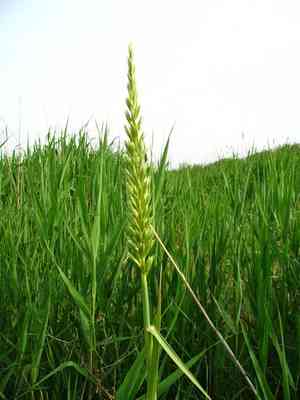
Mammoth wild rye flourishes when relocated from the beginning to the end of spring, benefiting from mild temperatures and abundant precipitation. Select a bright spot with soil that drains effectively for peak development; if needed, irrigate regularly to facilitate its adjustment.
What Preparations are Necessary Before Relocating Mammoth Wild Rye?
When is the Best Time to Move Mammoth Wild Rye?
The prime window for relocating mammoth wild rye, a perennial, spans from early to late spring. This period ensures the ground has thawed and temperatures are mild, fostering root development prior to summer's heat. Moving it then allows mammoth wild rye to acclimate better, boosting its growth and resilience for the upcoming season.
What Spacing is Recommended Between Mammoth Wild Rye Plants?
When moving mammoth wild rye, ensure each plant is positioned 18-24 inches (45-60 cm) apart. This provides ample room for development and promotes good air circulation, minimizing disease risk.
What is the Optimal Soil Blend for Mammoth Wild Rye Relocation?
For mammoth wild rye, prepare soil that drains well, ideally sandy or loamy. Incorporate a balanced base fertilizer into the soil before planting to supply essential nutrients. Organic compost can also enhance soil fertility.
Where Should You Replant Your Mammoth Wild Rye?
Select a sunny spot for replanting mammoth wild rye. This species thrives in full sun, requiring at least 6-8 hours of direct sunlight daily to grow robustly and maintain its health.
What Tools Should You Gather Before Transplanting Mammoth Wild Rye?
Gardening Gloves
To safeguard your hands while handling soil and the plant.
Shovel or Spade
For excavating around the plant and preparing the new cavity.
Trowel
Perfect for working in confined areas and managing the root ball.
Watering Can or Hose
For moistening the soil both before and after the transfer.
Pruning Shears
Useful for trimming any damaged roots or foliage prior to transplanting.
Wheelbarrow
Aids in moving the plant from its initial spot to the new location.
How Do You Extract Mammoth Wild Rye from the Ground?
How Do You Extract Mammoth Wild Rye from the Ground?
From Ground: First, hydrate the mammoth wild rye plant to moisten the soil. Next, dig a wide trench around the plant using a shovel or spade, making sure the plant's root ball stays intact. Carefully work the spade beneath the root ball to lift the plant from its original position.From Pot: Start by lightly watering the mammoth wild rye plant to help loosen the soil. Gently tip the pot and tap its edges until the plant slides out, ensuring you support the root ball with your hands. Avoid pulling the plant by its stems or leaves.From Seedling Tray: Water the seedlings lightly to facilitate removal. Using a trowel, carefully lift each mammoth wild rye seedling from the tray by prying it up from its root ball. Be careful not to excessively disturb the roots during this process.
Step-by-Step Guide for Relocating Mammoth Wild Rye
Site Preparation
Ensure the new location has been prepared by loosening the soil and clearing any debris. Make sure the hole is twice as wide and as deep as the plantâs root ball.
Removal
Follow the appropriate extraction method to remove mammoth wild rye from its original spot without harming the roots.
Placing the Plant
Position the mammoth wild rye plant into the prepared hole, ensuring it's at the same depth as it was in its previous location. Be careful not to plant it too deeply.
Backfilling
Refill the hole with soil, gently pressing down to eliminate air pockets around the roots.
Watering
Thoroughly irrigate the area around mammoth wild rye immediately after planting to help settle the soil.
How Do You Care For Mammoth Wild Rye After Relocation?
Watering
Keep the soil around the mammoth wild rye consistently damp, but not waterlogged, for the initial few weeks post-transplant to aid in developing strong roots.
Mulching
Apply a layer of mulch around the base of mammoth wild rye to help retain soil moisture and suppress weeds.
Pruning
Trim any damaged or excessively long roots and foliage to lessen transplant shock.
Observation
Regularly inspect mammoth wild rye for indications of stress, such as wilting or yellowing leaves, and promptly address any issues.
Addressing Common Issues with Mammoth Wild Rye Relocation.
When is the best time to move mammoth wild rye?
Relocate mammoth wild rye from early spring to late spring for optimal growth and establishment.
What spacing should I use for mammoth wild rye plants?
Space mammoth wild rye plants 18-24 inches (45-60 cm) apart to allow for healthy growth.
How do I prepare the soil for moving mammoth wild rye?
Ensure soil is well-draining, and enriched with organic matter like compost before moving mammoth wild rye.
What should the planting hole depth be for mammoth wild rye?
Dig a planting hole just deep enough to cover the root ball of mammoth wild rye.
How often should I water mammoth wild rye after moving?
Water mammoth wild rye thoroughly after moving and keep soil consistently moist for the first few weeks.
What should I do if mammoth wild rye shows signs of relocation stress?
Provide shade and keep the soil moist but not waterlogged to help mammoth wild rye recover from relocation stress.
Can I fertilize mammoth wild rye immediately after moving?
Wait a few weeks after moving mammoth wild rye before applying a balanced, slow-release fertilizer.
How do I protect mammoth wild rye from pests after moving?
Keep an eye out for pests and use natural remedies or appropriate insecticides to protect mammoth wild rye.
What type of mulch is best for mammoth wild rye?
Use organic mulch like straw or wood chips to retain soil moisture and regulate temperature around mammoth wild rye.
Should I trim back mammoth wild rye after moving?
Avoid heavy trimming right after moving mammoth wild rye; only remove damaged or dead foliage if necessary.



