How to Transplant Mountain doghobble?
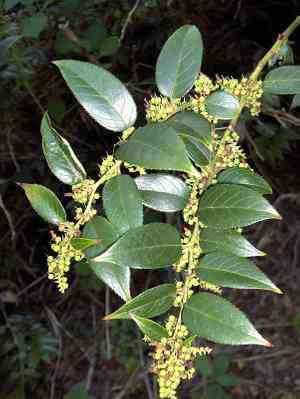
Mountain doghobble flourishes when relocated in the period spanning early to mid-spring, or from mid to late autumn, facilitating superior root development. Position mountain doghobble in an area with good drainage and partial shade. Ensure the soil remains damp and carefully untangle any intertwined roots prior to transplantation.
Preparations Required Before Relocating Mountain Doghobble
Optimal Period for Relocating Mountain Doghobble?
The best times for moving mountain doghobble are in early spring and late autumn. This plant flourishes when the ground is cool, making the start of spring or the end of fall ideal for ensuring robust development. Relocating mountain doghobble during these cooler periods promotes stronger root growth and allows ample time for the plant to adapt before harsh weather arrives. Your gardening expert recommends this timing for a happier, healthier mountain doghobble!
Recommended Spacing Between Mountain Doghobble Plants?
When relocating your mountain doghobble, aim for a separation of approximately 24-36 inches (60-90 cm) between each plant. This ensures sufficient room for their growth and flourishing!
Best Soil Mixture for Mountain Doghobble Relocation?
To prepare the soil for your mountain doghobble, select fertile, well-draining soil with a rich organic base. Before planting, incorporate a generous amount of compost or aged manure for added nutrients.
Where to Replant Your Mountain Doghobble?
Choose a spot that receives partial to full shade for your mountain doghobble. This plant prefers cooler, shaded environments and may struggle in areas exposed to direct, intense sunlight throughout the day.
Equipment Needed Before Relocating Mountain Doghobble
Gardening Gloves
These are crucial for protecting your hands while working with soil and the plant.
Shovel
You'll need this to excavate the plant from its current spot and to create a new planting hole.
Spade
It's useful for refining the planting hole and for loosening the soil around the plant in its original location.
Pruning Shears
These are used for trimming any dead or damaged roots or branches of mountain doghobble during relocation.
Watering Can
Necessary for keeping the soil and plant hydrated throughout the relocation process.
Wheelbarrow
This tool will be helpful for safely moving the plant, especially if it's large or needs to be transported a significant distance.
How to Extract Mountain Doghobble from the Soil?
How to Extract Mountain Doghobble from the Soil?
From Ground: Start by moistening the soil around the mountain doghobble plant. Carefully use your shovel around the plant, maintaining a safe distance from the main stem to avoid damaging the root ball. Gradually work the spade beneath the root ball to free the plant without harming its root system.From Pot: If the mountain doghobble plant is in a container, begin by watering the soil. Invert the pot and gently hold the plant by its base, applying slight pressure or tapping the rim on a firm surface until the plant and root ball slide out together. If the plant is stuck, run a knife along the inside edge of the pot to help loosen the root ball.From Seedling Tray: Water the tray first, then gently hold the seedling by its leaves (never the stem) and use a dibber or pencil to push the soil up from below. Ensure you carefully lift the entire root ball out of the tray.
Step-by-Step Guide for Relocating Mountain Doghobble
Site Preparation
Dig a hole in your chosen spot that is 2-3 times wider and the same depth as the mountain doghobble's root ball. Loosen the soil within and around the hole for better root establishment.
Relocation
Gently place the mountain doghobble into the hole, ensuring it sits at the same depth as it did originally. Backfill the hole with soil, applying gentle pressure to eliminate any air pockets.
Watering
After planting, thoroughly water mountain doghobble. The soil should be damp but not waterlogged, ensuring good contact between the roots and the soil.
Mulching
Spread a thin layer of mulch around the base of mountain doghobble, leaving a small gap near the stem. Mulch helps retain soil moisture and suppress weeds.
Post-Relocation Care for Mountain Doghobble
Pruning
Remove any damaged or diseased branches after relocation. Pruning encourages denser growth and helps the mountain doghobble plant direct its energy towards establishing roots in its new location.
Watering
Ensure the mountain doghobble plant receives a consistent water supply during the initial weeks after relocation, especially during dry periods. Check soil moisture by touching the soil near the plant; if it feels dry, it's time to water.
Frost Protection
As mountain doghobble can be susceptible to frost, cover it with a frost cloth when frost or freezing temperatures are anticipated.
Pest Control
Regularly inspect for common garden pests like aphids. Early detection can help keep your mountain doghobble healthy and thriving.
Addressing Common Issues with Mountain Doghobble Relocation.
When is the best time to relocate mountain doghobble?
The optimal period to relocate mountain doghobble is from early to mid-spring, or from mid to late fall.
What is the ideal spacing between mountain doghobble during relocation?
For healthy development, mountain doghobble should be positioned approximately 24-36 inches (61-91 cm) apart.
How deep should I plant mountain doghobble during relocation?
The relocation hole should be large enough to comfortably accommodate mountain doghobble's root system. Do not plant it deeper than its initial growing depth.
What soil conditions does mountain doghobble need for successful relocation?
Mountain doghobble requires well-drained, fertile, and slightly acidic soil to thrive. It prefers soil rich in organic matter.
What level of sunlight exposure does mountain doghobble need after relocation?
Relocate mountain doghobble to a spot that receives partial to full shade. It does not tolerate direct, intense sunlight well.
How often should I water mountain doghobble after relocation?
Water mountain doghobble immediately after relocation, then consistently to keep the soil moist but not waterlogged. Avoid excessive watering.
Is it necessary to add fertilizer after relocating mountain doghobble?
Applying a slow-release fertilizer aids mountain doghobble in establishing itself well. However, avoid over-fertilizing as this can cause root burn.
What precautions should I take when handling mountain doghobble during relocation?
Handle mountain doghobble's roots gently during relocation. Avoid roughly disturbing or breaking the roots, which can hinder its growth.
In what temperature range does mountain doghobble best thrive for relocation?
Mountain doghobble relocates best in cool temperatures. Extreme heat or cold could impede growth.
How do I know if the relocation of mountain doghobble is successful?
Successful relocation will be indicated by mature growth, blooming, and overall health of mountain doghobble. Poor growth could suggest issues with the relocation.



