How to Transplant Texas ranger?
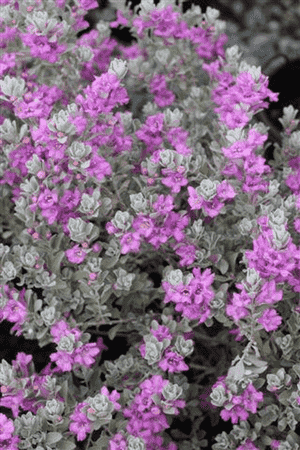
Relocate texas ranger preferably from early to late spring or from late autumn to early winter, since these periods facilitate superior root development. Select a bright spot with soil that drains effectively. To ensure a successful transplant, provide regular watering and refrain from disturbing the root system when handling.
Essential Preparations Before Relocating Texas Ranger
Optimal Period for Relocating Texas Ranger?
The best time to move your texas ranger is from early spring until late spring, or during late fall to early winter. This timing allows the plant to establish roots in moderate temperatures, minimizing transplant shock. With this guidance, your texas ranger will flourish when carefully moved during these periods.
Required Spacing Between Texas Ranger Plants?
To provide adequate room for your texas ranger to develop, maintain a separation of 4-6 feet (1.2-1.8 meters) between each specimen. This ensures sufficient space for healthy growth and expansive foliage.
Preferred Soil Blend for Texas Ranger Relocation?
For a successful relocation, prepare well-draining soil and incorporate organic compost or a slow-release fertilizer to supply vital nutrients. Texas ranger tolerates various soil types, including clay, loam, and sandy compositions.
Optimal Location for Your Texas Ranger?
A crucial aspect of relocating your texas ranger is selecting the correct sun exposure. Choose a site that receives full sun to partial shade, meaning at least 6 hours of direct sunlight daily for peak development.
Tools Required Before Relocating Texas Ranger
Gardening Gloves
To safeguard your hands while handling plants and soil.
Shovel or Spade
Essential for extracting the plant from its original spot and creating a new hole for relocation.
Trowel
Useful for precise adjustments when positioning texas ranger into its new cavity.
Garden Rake
To smooth the soil surface around the plant.
Watering Can
For hydrating texas ranger before, during, and after the relocation process.
Mulch
Aids in retaining moisture and inhibiting weed growth.
Stakes/ties
To offer support to the plant if needed.
How to Extract Texas Ranger from the Ground?
How to Extract Texas Ranger from the Ground?
From Ground: Begin by thoroughly watering the texas ranger plant to moisten the soil, making it easier to dig. Gently excavate the soil around the texas ranger plant using a shovel or spade, forming a circle approximately a foot wide around the plant's base. Ensure the root ball remains intact. Afterward, carefully work the spade beneath the root ball, detaching the texas ranger plant from its initial position.From Pot: Water the texas ranger plant extensively to loosen the soil. Carefully invert the pot while supporting the plant itself. Tap gently to help the plant, along with its root ball and soil, slide out of the container.From Seedling Tray: Water the texas ranger plant and gently grasp it at the base, then carefully lift it with its soil and roots.
Step-by-Step Guide for Relocating Texas Ranger
Preparation
Once the texas ranger plant is safely removed from its original spot, prepare the new planting area. The hole should be twice as wide and as deep as the plant's root ball.
Placement
Gently position the texas ranger plant in the hole. The top of the root ball should be level with the soil surface. Adjust the soil beneath if necessary to ensure correct plant height.
Soil Refill
Begin refilling the hole with soil, gently firming it around the root ball. Keep the plant upright and ensure it's not planted too deeply.
Water
Water thoroughly immediately after planting.
Mulching
Spread a layer of mulch around the plant's base, but avoid covering the stem.
Staking
If texas ranger requires support, stake the plant gently, taking care not to harm the roots or stem.
Post-Relocation Care for Texas Ranger
Watering
Ensure texas ranger receives consistent and deep watering, especially during dry spells. Do not allow the soil around the plant to completely dry out.
Pruning
Encourage denser growth by pinching off branch tips during the initial months after relocation.
Avoid Fertilizing
Allow texas ranger to establish itself in its new location before applying any fertilizer. Monitor the plant's health and development.
Addressing Common Issues with Texas Ranger Relocation.
What is the optimal time of year to relocate texas ranger?
The best period for relocating texas ranger is from early spring (March-May) to early winter (October-December).
How much space does texas ranger need between plants for optimal growth?
Allow a generous distance of approximately 4 to 6 feet (about 1.2 to 1.8 meters) between each texas ranger for best results.
What kind of soil does texas ranger prefer when being relocated?
Texas ranger is not particular about soil. It thrives in any well-drained soil, but favors slightly acidic to neutral pH levels.
What are the watering guidelines for texas ranger after relocation?
Water texas ranger thoroughly after relocating, then let the soil partially dry before re-watering. Excessive watering can lead to root rot.
How often should I check my relocated texas ranger?
Inspect your texas ranger weekly during the first few months after relocation. Look for pests, diseases, or signs of stress.
Are there any specific care instructions for texas ranger after it's been relocated?
Trim texas ranger sparingly. It is naturally a compact plant. Over-trimming can hinder blooming and diminish its unique natural shape.
What should I do if the new growth on my relocated texas ranger is wilting or yellowing?
If new growth appears yellowish or wilting, it may indicate overwatering. Allow the soil to dry out between watering sessions.
How quickly should texas ranger begin to grow after relocation?
Typically, texas ranger shows signs of new growth within 2-3 weeks of relocation. Be patient and provide necessary care.
Should I stake texas ranger after relocation to aid establishment?
Texas ranger is generally a robust plant, so staking is usually not required. However, if the plant seems unstable, consider light staking for support.
At what depth should I plant texas ranger when relocating?
When relocating, plant texas ranger at the same depth it was in its previous container. Planting too deeply can cause rot.



