How to Transplant Laosy Giant?
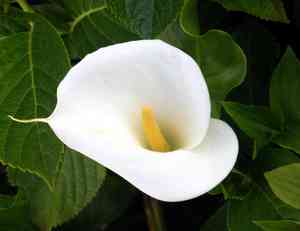
The most suitable period for relocating laosy Giant is during the revitalizing stretch from early to mid-spring, promoting vigorous development. Select a location offering filtered light and damp earth. Bear in mind, careful manipulation assists in a smooth adaptation.
What Preparations are Needed Before Transplanting Laosy Giant?
What is the Ideal Time for Transplanting Laosy Giant?
The onset of warmer weather, often referred to as the start of the growing season or simply late spring, is the best time for relocating laosy Giant. This timing ensures the ground is adequately warm, which is vital for the plant's root system to adjust and expand without the immediate danger of frost. Moving laosy Giant during this period of rejuvenation allows it to benefit from the entire growing season, promoting strong development and vigor. Additionally, increased daylight hours and moderate rainfall assist laosy Giant in settling into its new spot, establishing a robust foundation for future prosperity.
How Much Space Should You Leave Between Laosy Giant Plants?
When planting laosy Giant, aim to position your plants 3-5 feet (0.9-1.5 meters) apart. This provides them ample room to grow and reach their full potential. It's a good practice to measure or mark your spacing before you begin planting.
What is the Best Soil Mix for Laosy Giant Transplanting?
For laosy Giant, utilize a well-draining soil blend such as sandy loam. Incorporate slow-release, balanced base fertilizers like 14-14-14 or 10-10-10 to supply the necessary nutrients. November and December are optimal months to prepare the soil.
Where Should You Relocate Your Laosy Giant?
Regarding the location, laosy Giant thrives in a sunny spot! Aim for an area that receives at least 6 hours of sunlight daily. Avoid overly shaded locations as these may hinder their growth. Happy gardening!
What Equipments Should You Prepare Before Transplantation Laosy Giant?
Gardening Gloves
Helps protect your hands from dirt, sharp objects in the soil, and the rough texture of laosy Giant's foliage.
Shovel or Spade
Essential for digging holes in the ground and extracting the laosy Giant plant from its original position.
Pruning Shears
May be used to trim old, dead leaves and roots from the laosy Giant plant prior to transplanting.
Watering Can or Hose
To thoroughly hydrate the plant after the transplanting process has been completed.
Wheelbarrow
Useful for transporting the laosy Giant plant and soil when moving the plant from one location to another.
Rooting Hormone
Helps laosy Giant roots recover and strengthen after transplantation.
How Do You Remove Laosy Giant from the Soil?
How Do You Remove Laosy Giant from the Soil?
From Ground: Water the laosy Giant plant thoroughly the day before transplanting. This will help its roots retain moisture during the process. The next day, use a shovel or spade to carefully dig a wide circle around the laosy Giant, ensuring its root ball remains undamaged. Once the hole is sufficiently deep, gently lift the plant out, supporting the root ball.From Pot: Water the laosy Giant plant well before beginning. Turn the pot sideways, gently hold the laosy Giant by its stems, and tap the bottom of its container until the plant slides out. Be careful not to pull the plant out by the stems or leaves.From Seedling Tray: Once laosy Giant has developed a robust root system and two or more leaves in its seedling tray, it's ready to be moved. Carefully remove the laosy Giant from its cell, trying not to disturb the roots. Hold the laosy Giant by its leaves, not by its stem or roots.
Step-by-Step Guide for Transplanting Laosy Giant
Preparation
Have all your tools readily available and the transplanting site prepared. Clean the blades of your tools to prevent the spread of diseases.
Loosen the Roots
Gently loosen the roots of the laosy Giant with your fingers if they are root-bound. Ensure you do not damage the roots during this process.
Hole Digging
With the aid of a shovel or spade, excavate a hole at the transplant site. The hole should be deep enough to accommodate the roots of laosy Giant.
Planting
Position the laosy Giant in the hole. The top surface of its root ball should be level with or slightly below the ground surface. Spread out its roots within the hole.
Soil Backfill
Refill the hole with mostly original soil mixed with some compost, if available. Avoid burying the laosy Giant's stem.
Watering
Water the laosy Giant thoroughly after planting, using a watering can or hose. This will help settle the soil around the roots.
How Do You Care For Laosy Giant After Transplanting?
Watering
For the initial few weeks, keep the soil around the laosy Giant consistently moist, but not waterlogged. It's best to re-water only when the surface soil begins to dry.
Pruning
Trim any damaged leaves from the laosy Giant using clean gardening shears. This will direct more of the plant's energy towards producing new, healthy growth.
Pest Control
Monitor your laosy Giant for common pests. If you observe any, treat them appropriately. Natural pest repellents are often sufficient for typical pest issues.
Fertilization
Wait approximately one month before fertilizing your newly transplanted laosy Giant. It needs time to recover from the stress of relocation before it's ready to absorb additional nutrients.
Troubleshooting Common Issues with Laosy Giant Transplantation.
When is the perfect time to transplant laosy Giant?
The ideal seasons to transplant laosy Giant are typically from early spring to early summer, a period equivalent to S1-S2.
How much space does laosy Giant need for optimal growth?
Laosy Giant requires ample room to grow, ideally maintaining a spacing of about 3 to 5 feet (0.9 to 1.5 meters).
Should I water laosy Giant immediately after transplanting?
Absolutely, water laosy Giant thoroughly right after transplantation. It's crucial for helping it adapt to its new environment.
How deep should I plant laosy Giant during transplanting?
The transplant hole should ideally be twice as wide as the root ball but not deeper. This ensures the best growth for laosy Giant.
What ideally should be the condition of the soil for transplanting laosy Giant?
Laosy Giant prefers well-drained soil that is fertile and slightly acidic. Make sure to prepare the soil ahead of transplanting.
Should I amend the soil when transplanting laosy Giant?
Yes, consider enriching your soil with compost or a slow-release fertilizer tailored to laosy Giant, this will provide necessary nutrients.
What should I do if the roots of laosy Giant are bound together?
If roots appear bound, gently tease them apart. This encourages them to spread in their new location and promotes healthy growth for laosy Giant.
How should I care for laosy Giant after transplanting?
Water laosy Giant regularly after transplanting, keep soil perpetually moist but not waterlogged. Shelter it from extreme weather during the first few weeks.
Should I prune laosy Giant before or after transplanting?
Prune laosy Giant lightly before transplanting to reduce stress on the plant and to encourage new, healthy growth in its new location.
What should be the temperature conditions for transplanting laosy Giant?
Transplant laosy Giant when temperatures are moderate, preferably around 70°F (21°C). Excessive heat or cold can stress the plant.



