How to Transplant Oxeye daisy?
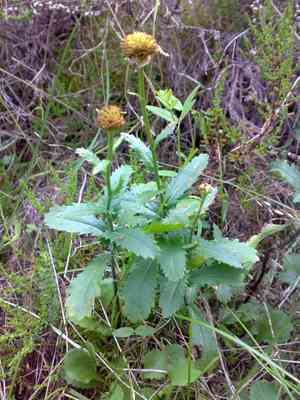
For optimal development, relocate oxeye daisy during the mild temperatures of mid-to-late spring or the beginning of early summer. Select a bright location featuring soil that drains effectively, and arrange plants to allow for sufficient airflow.
What Preparations are Needed Before Transplanting Oxeye Daisy?
What is the Ideal Time for Transplanting Oxeye Daisy?
The best time to move oxeye daisy to a new spot is from mid-spring to early summer. This period offers mild temperatures and longer daylight hours, aiding root establishment and recovery from stress. By choosing this season for relocation, you boost oxeye daisy's ability to flourish, ensuring robust growth and flowering in the coming weeks. Seize this opportunity, as the favorable weather conditions greatly benefit oxeye daisy, making the transition a smooth part of your garden's development.
How Much Space Should You Leave Between Oxeye Daisy Plants?
Ensure your oxeye daisy plants have ample room to expand. Ideally, space them 1-2 feet (30.5 - 61 cm) apart to guarantee sufficient sunlight and nutrients for proper development. They will thrive with this spacing!
What is the Best Soil Mix for Oxeye Daisy Transplanting?
Prepare your soil well for oxeye daisy! They prefer soil that drains well, such as loamy or sandy types. Incorporate some compost or aged manure for a richer foundation. A balanced vegetable fertilizer can also greatly benefit these perennials.
Where Should You Relocate Your Oxeye Daisy?
Location is key! Choose a spot for your oxeye daisy plants that receives full sun to partial shade. They love sunlight but can endure some shade. Happy planting!
What Equipments Should You Prepare Before Transplantation Oxeye Daisy?
Trowel
This small hand tool is highly effective for precise digging and relocating the oxeye daisy plant.
Gardening Gloves
These are essential for protecting your hands while handling the oxeye daisy plant and working with soil.
Gardening Shovel
This can be utilized for excavating the hole in the new planting area.
Bucket
To transport the oxeye daisy plant from its original spot to the new location.
Watering Can
To moisten the soil following transplantation.
How Do You Remove Oxeye Daisy from the Soil?
How Do You Remove Oxeye Daisy from the Soil?
From Ground: Begin by watering the oxeye daisy plant to moisten the soil, simplifying extraction. Then, carefully draw a wide circle around the plant using a trowel or small hand shovel. Ensure the plant's root ball remains intact during this process. Once ready, gently work the trowel beneath the root ball of the oxeye daisy plant and slowly lift it out. If some roots resist, carefully cut them instead of pulling or forcing the plant.From Pot: If the oxeye daisy plant is in a pot, tilt the pot sideways while holding one hand over the soil to prevent the plant from falling. If the plant is stuck, you might need to tap the base or sides of the pot to loosen it. Gently pull the oxeye daisy plant by its base, being careful not to harm the roots.From Seedling Tray: If your oxeye daisy plant is from a seedling tray, removal is much simpler. Just be gentle, pull them from their trays by gently holding them from their base while ensuring minimal damage to their roots.
Step-by-Step Guide for Transplanting Oxeye Daisy
Prep the New Site
Begin by digging a hole roughly twice the size of the oxeye daisy's root ball at your chosen location. The hole should be deep and wide enough to accommodate the root system without any compression.
Place the Plant
Carefully position the oxeye daisy into the hole, ensuring the top of the root ball is level with or slightly above the surrounding ground. This helps prevent water from accumulating around the plant's stem.
Backfill the Hole
Refill the hole with soil, making sure it completely covers the root system. Gently firm the soil to eliminate air pockets around the roots, but avoid compacting it too tightly.
Watering
The final step in transplanting your oxeye daisy is to water the plant. Use a watering can or hose to thoroughly soak the newly planted oxeye daisy; this will help the soil settle around the roots and support the plant in its new location.
How Do You Care For Oxeye Daisy After Transplanting?
Pest Management
Monitor for any pests or diseases affecting the oxeye daisy. This is especially crucial during the initial weeks post-transplantation when the plant is still acclimating. Use organic solutions like neem oil as a preventive measure.
Feeding
After transplanting the oxeye daisy, wait one week, then apply a balanced fertilizer to provide additional nutrients if necessary.
Pruning
Remove any dead or dying leaves from the oxeye daisy to encourage new growth and maintain plant health.
Observation
Closely observe the transplanted oxeye daisy during the first few weeks. This is when it is most vulnerable and requires the most attention.
Troubleshooting Common Issues with Oxeye Daisy Transplantation.
When is the best time to transplant oxeye daisy?
The ideal period to relocate oxeye daisy is from late spring to early autumn, or in other words, during the second and third seasons.
What is the proper spacing when transplanting oxeye daisy?
Oxeye daisy requires adequate space for robust growth. Plant them 1-2 feet apart (30-60 cm) to ensure ample air circulation.
Why are my transplanted oxeye daisy wilting?
Wilting often indicates transplant shock or insufficient moisture. Ensure to water oxeye daisy thoroughly immediately after transplanting and maintain adequate hydration.
What kind of soil does oxeye daisy need while transplanting?
Oxeye daisy prefers well-drained, fertile soil with a neutral pH. Incorporating organic matter or compost into your soil can enhance its quality.
Do I need to prune oxeye daisy before transplanting?
Yes, trim back any spent flowers or excessive growth. This allows oxeye daisy to allocate its resources to developing a strong new root system.
How deep should I plant the oxeye daisy during transplantation?
Transplant oxeye daisy at the same depth it was in its original spot. Burying it too deeply might impede its growth.
Can I transplant oxeye daisy during blooming?
It's best to avoid transplanting oxeye daisy while it's blooming. The plant expends energy which could negatively impact its transition to the new location.
Why does the transplanted oxeye daisy look unhealthy?
Transplant stress, improper watering or soil conditions, insufficient sunlight, and pest attacks can all cause oxeye daisy to appear unhealthy. Identify the problem and address it accordingly.
How should I water oxeye daisy after transplanting?
Water oxeye daisy thoroughly after transplanting and keep the soil consistently moist, but not waterlogged. Overwatering can lead to root rot or fungal diseases.
How soon can I expect oxeye daisy to establish after transplant?
With proper care, watering, and soil, oxeye daisy should begin showing new growth within 2-3 weeks of transplanting.



