How to Transplant Broom tea-tree?
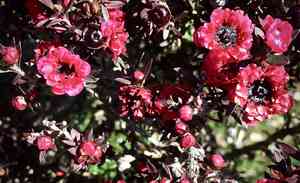
The optimal period for relocating broom tea-tree falls between the middle of spring and the beginning of summer, since the elevated temperatures foster robust growth and root formation. Select a sun-exposed spot with soil that drains effectively for the successful transfer of broom tea-tree. When moving the plant, exercise caution to avoid harming its fragile root system and provide sufficient hydration to ensure proper establishment.
What Preparations are Needed Before Transplanting Broom Tea-tree?
What is the Ideal Time for Transplanting Broom Tea-tree?
The optimal window for relocating broom tea-tree spans from mid-spring through the start of summer. This period is best because temperatures are mild, providing perfect conditions for root development. Placing broom tea-tree during this time ensures its success, as it will have ample opportunity to establish itself before winter's harshness arrives. So, friends, let's begin planning your garden relocation efforts now for this wonderful perennial to enjoy its attractive blooms!
How Much Space Should You Leave Between Broom Tea-tree Plants?
When moving broom tea-tree, ensure a spacing of approximately 6 - 8 feet (1.8 - 2.4 meters) between them. This provides sufficient room for growth and guarantees proper air circulation around each specimen.
What is the Best Soil Mix for Broom Tea-tree Transplanting?
To establish an excellent base for broom tea-tree, select well-draining soil with a slightly acidic pH. Incorporate a slow-release, all-purpose fertilizer into the planting hole, which will provide nutrients to your plant for several months.
Where Should You Relocate Your Broom Tea-tree?
Identify a spot for your broom tea-tree where it will receive full sun to partial shade throughout the day. Aim for a minimum of 6 hours of daily sunlight to help your plant develop robustly and healthily.
What Equipments Should You Prepare Before Transplantation Broom Tea-tree?
Gardening Gloves
These offer protection for your hands while handling soil and plants.
Spade or Shovel
Useful for excavating the planting hole for your broom tea-tree and extracting the plant from its original spot (especially if it's currently in the ground).
Gardening Trowel
Perfect for moving smaller plants or working in confined areas. Convenient for removing broom tea-tree from containers or seedling trays.
Garden Hose or Watering Can
Required for hydrating the plant both prior to and following transplantation.
Pruning Scissors
To trim any excess or dead branches on the broom tea-tree that might obstruct or stress the plant during the transplanting process.
How Do You Remove Broom Tea-tree from the Soil?
How Do You Remove Broom Tea-tree from the Soil?
From Ground: First, thoroughly water the broom tea-tree plant to moisten the soil. Next, using a spade or shovel, dig a wide trench around the plant, being careful to keep the root ball intact. Gradually work the spade beneath the root ball to lift the plant from its initial location.From Pot: Begin by watering the broom tea-tree plant thoroughly. Then, turn the pot on its side while placing your hand on the soil surface, with your fingers gently spread around the plant's base. Carefully slide the plant out of the pot with a light tap. If the plant seems stuck, you might need to tap the pot's edges on a firm surface to loosen it.From Seedling Tray: Water the seedlings first. Then, with a trowel or your fingers, gently scoop out individual broom tea-tree seedlings, taking care not to harm their delicate roots. Handle them by their leaves, not the stem or roots, to minimize damage.
Step-by-Step Guide for Transplanting Broom Tea-tree
Prepare the Soil
Dig a hole twice the width of the root ball and slightly deeper. Loosen the soil at the bottom to encourage root penetration.
Transfer the Plant
Carefully position the broom tea-tree in the prepared hole, ensuring it stands upright. The top of the root ball should be just below the ground surface.
Backfill the hole
Refill the hole with the soil you previously removed, gently firming it around the plant's base. Be careful not to plant the broom tea-tree too deeply, as this could lead to stem rot.
Watering
Thoroughly water the plant. This helps settle the soil around the roots, reducing air pockets that could dry out the roots.
Mulching
Apply a layer of mulch around the plant's base, but avoid contact with the stem. Mulch helps retain soil moisture and suppresses weed growth.
How Do You Care For Broom Tea-tree After Transplanting?
Water Requirement
Consistent watering is crucial to help the broom tea-tree establish well in its new spot. Keep the soil damp, but not waterlogged, to prevent root rot.
Pruning
Regular trimming of the broom tea-tree will maintain its desired form and size. It also promotes denser growth and increased flower production. However, significant pruning should only occur several weeks after transplanting, once the plant has settled.
Pests and Disease Control
Inspect your broom tea-tree for any indications of pests or diseases. Early detection will facilitate easier control and management of any issues. Use appropriate organic pesticides or fungicides as needed.
Protection
For the initial few days, if feasible, provide some shade to the broom tea-tree plant to shield it from scorching under intense sunlight.
Troubleshooting Common Issues with Broom Tea-tree Transplantation.
When's the best time to transplant broom tea-tree?
Mid-spring to early summer is the ideal period to transplant broom tea-tree as it allows the plant sufficient time to establish before winter.
What should be the ideal spacing between broom tea-tree plants in a garden?
To allow ample growth, broom tea-tree plants should be spaced approximately 6 - 8 feet (1.8 - 2.4 meters) apart.
Why is my transplanted broom tea-tree wilting?
Broom tea-tree may wilt after transplant due to shock. Ensure it receives appropriate watering, neither too much nor too little.
How to manage root damage during transplantation of broom tea-tree?
Handle the roots with extreme care. If any damage occurs, trim the affected parts before planting to encourage new growth.
Why is my transplanted broom tea-tree not showing new growth?
New growth can take time. Ensure you are providing adequate water and a favorable environment for the plant. Patience is needed as broom tea-tree slowly establishes itself.
What measures should I take if my transplanted broom tea-tree has yellow leaves?
Yellow leaves could indicate overwatering or poor drainage. Adjust the watering schedule and check the drainage of the container/ground.
Do I need to prune broom tea-tree after transplanting?
Pruning is not immediately necessary after transplanting. However, once broom tea-tree settles, you may prune to promote bushier growth.
Why are the leaves of my broom tea-tree turning brown?
Brown leaves might be due to sunburn, insufficient watering, or cold stress. Adjust the plant's position, watering, and insulate if required.
Can I transplant broom tea-tree in the fall?
While possible, it's not optimal to transplant broom tea-tree in the fall, as mid-spring to early summer allows for better establishment.
How soon can I expect flowers after transplanting broom tea-tree?
Flowering depends on the plant's health and age. With proper care and environment, broom tea-tree should bloom within the growing season.



