How to Transplant Mountain pepperplant?
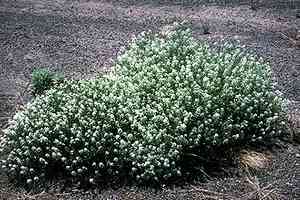
Mountain pepperplant flourishes optimally when relocated from the beginning to the end of spring, as this timeframe facilitates root development prior to the intense summer warmth. Select a bright, adequately drained spot. Verify that the earth is friable and not saturated. Refrain from moving the plant during severe climatic events.
Essential Preparations Before Relocating Mountain Pepperplant
Optimal Period for Mountain Pepperplant Relocation?
Mountain pepperplant, a perennial species, is best moved during early to late spring or mid to late autumn. These periods offer cooler ground temperatures, enhanced moisture, and reduced plant stress, fostering strong root development. Transplanting at these times ensures mountain pepperplant establishes well before summer's extreme heat or winter's freezing conditions.
Recommended Spacing Between Mountain Pepperplant Plants?
When relocating mountain pepperplant, ensure a separation of 12-18 inches (30-45 cm) between each plant. This spacing allows ample room for individual growth and prevents overcrowding.
Ideal Soil Blend for Mountain Pepperplant Relocation?
Amend the soil by incorporating organic compost or a slow-release, balanced fertilizer. A well-drained, sandy or loamy soil type is perfect for mountain pepperplant, preventing root saturation.
Preferred New Location for Your Mountain Pepperplant?
Select a sunny spot for transplanting mountain pepperplant, as it requires ample sunlight for optimal growth. At least 6-8 hours of direct sun daily will ensure your plants remain vigorous and healthy.
Tools Required Before Transplanting Mountain Pepperplant
Gardening Gloves
To safeguard your hands while handling soil and plants.
Shovel or Spade
For excavating around the plant and preparing the new planting site.
Hand Trowel
For precise digging and extracting smaller plants from containers or trays.
Watering Can or Hose
To hydrate the plant before and after its relocation.
Pruning Shears
To trim any damaged roots or foliage.
Wheelbarrow
For moving the plant, especially if it is large or heavy.
Mulch
To help maintain soil moisture and regulate temperature around the newly planted specimen.
Method for Extracting Mountain Pepperplant from the Soil?
Method for Extracting Mountain Pepperplant from the Soil?
From Ground: First, moisten the mountain pepperplant's soil by watering. Then, use a shovel or spade to dig a wide trench around the plant, ensuring the root ball stays intact. Carefully work the spade beneath the root ball to lift the plant from its original spot.From Pot: Gently turn the pot on its side and tap it lightly to loosen the soil. Carefully slide the mountain pepperplant out, supporting the plant's base and root ball.From Seedling Tray: Use a hand trowel or your fingers to carefully lift the mountain pepperplant seedling from the tray, taking care not to harm the roots. For very small seedlings, a pencil or similar tool can assist in easing them out.
Detailed Steps for Transplanting Mountain Pepperplant
Preparation
Gather all necessary tools and choose a new planting site for the mountain pepperplant as outlined in step 1.
Digging New Hole
Excavate a hole at the new location. The hole should be twice as wide and as deep as the mountain pepperplant's root ball.
Preparing Plant
If any roots are damaged or excessively long, trim them with pruning shears. This promotes healthy root development.
Transplanting
Position the mountain pepperplant into the hole, ensuring it sits at the same depth as it did previously. Backfill the hole halfway with soil and water thoroughly. Then, complete filling the hole with soil, gently pressing it down to eliminate air pockets.
Watering
Water the mountain pepperplant again after transplanting to help settle the soil and provide moisture to its roots.
Adding Mulch
Apply a layer of mulch around the base of the mountain pepperplant. This aids in retaining soil moisture and regulating temperature.
Post-Transplant Care for Mountain Pepperplant
Watering
Keep the soil around the mountain pepperplant consistently moist, but not waterlogged, for the initial weeks after transplanting to encourage strong root establishment.
Monitoring
Regularly inspect the mountain pepperplant for any indications of stress, such as wilting or yellowing leaves, and address issues promptly.
Protection
If necessary, provide temporary shade or wind protection for the mountain pepperplant until it is fully settled in its new environment.
Feeding
Avoid immediate fertilization after transplanting to minimize the risk of root burn. Instead, wait a few weeks before applying a balanced fertilizer according to product instructions.
Resolving Common Mountain Pepperplant Transplantation Issues.
When is the best time to transplant mountain pepperplant?
The ideal period is from early to late spring, mid-fall, or late fall to early winter.
What is the optimal spacing for transplanting mountain pepperplant?
Achieve best results with 12-18 inches (30-45 cm) of separation between each plant.
How do I prepare the soil for transplanting mountain pepperplant?
Ensure good drainage and incorporate organic matter to enhance soil texture and fertility.
How do I prevent transplant shock for mountain pepperplant?
Thoroughly water the plant before and after relocation to minimize stress.
What should I do if mountain pepperplant wilts after transplanting?
Maintain consistent moisture levels and provide shade until the plant recovers.
How deep should I plant mountain pepperplant?
Plant mountain pepperplant at the same depth it was growing in its previous spot.
What common pests should I watch for with mountain pepperplant?
Look out for aphids and flea beetles; use organic insecticides if needed.
How much sunlight does mountain pepperplant need?
Mountain pepperplant thrives in full sun but can tolerate partial shade.
What type of mulch is best for mountain pepperplant?
Utilize organic mulch like shredded bark or compost to retain soil moisture and suppress weeds.
How often should I water mountain pepperplant after transplanting?
Water regularly to keep the soil consistently moist but not saturated during the establishment phase.



