How to Transplant Japanese edelweiss?
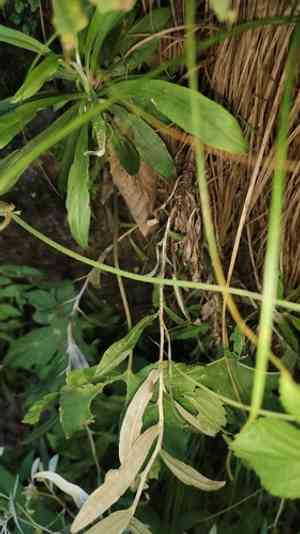
Relocate japanese edelweiss during the peak of its growth period, specifically from the end of spring to the beginning of summer, to capitalize on ideal temperatures for root development. Select a bright location featuring soil that drains effectively, and gradually introduce japanese edelweiss to its new environment to prevent stress.
What Preparations are Needed Before Transplanting Japanese Edelweiss?
What is the Ideal Time for Transplanting Japanese Edelweiss?
The optimal period for relocating japanese edelweiss spans from early spring's awakening to the gentle onset of late summer. Moving your japanese edelweiss during this timeframe ensures they establish easily, benefiting from moderate temperatures and consistent growth conditions. This prime season provides your japanese edelweiss with ample development time, preparing it for vigorous growth in subsequent seasons. Furthermore, transplanting japanese edelweiss when temperatures are neither too low nor too high minimizes plant stress, boosting the chances of successful rooting and vitality. Thus, with careful handling and an ideal location, you'll give your japanese edelweiss the best possible start!
How Much Space Should You Leave Between Japanese Edelweiss Plants?
When arranging your japanese edelweiss, aim for approximately 6-8 inches (15-20 cm) of separation. This provides each plant sufficient room to thrive without crowding, allowing their roots and foliage the necessary space to develop. A bit of growing room leads to a flourishing plant!
What is the Best Soil Mix for Japanese Edelweiss Transplanting?
Your japanese edelweiss will flourish in well-draining soil, abundant in organic material! Before relocation, incorporate some compost or a balanced, slow-release fertilizer to give them an excellent start. Preparing the soil this way ensures your japanese edelweiss receives the nutrients it requires for robust development.
Where Should You Relocate Your Japanese Edelweiss?
Select a site for your japanese edelweiss that receives partial sunlight to mimic its native alpine environment. A location with morning sun and afternoon shade, or filtered light, will make your japanese edelweiss feel comfortable and prevent its delicate leaves from scorching.
What Equipments Should You Prepare Before Transplantation Japanese Edelweiss?
Gardening Gloves
To safeguard your hands while handling soil and plants.
Shovel or Spade
To excavate the plant from the ground or remove it from its container without harming the root ball.
Garden Fork
To loosen the earth around the plantâs original position.
Watering Can
To hydrate the japanese edelweiss plant before and after the relocation process.
Pruning Shears
To trim any dead or damaged roots and foliage.
Measuring Tape
To determine the correct spacing when planting japanese edelweiss in the ground.
Wheelbarrow or Garden Cart
To move the japanese edelweiss to its new spot without straining your back.
How Do You Remove Japanese Edelweiss from the Soil?
How Do You Remove Japanese Edelweiss from the Soil?
From Ground: Hydrate the japanese edelweiss to moisten the soil. Use a garden fork to loosen the soil surrounding the plant, then dig a wide trench with a shovel, taking care not to harm the root ball. Gently pry the spade beneath the root ball to lift the japanese edelweiss from its spot.From Pot: Start by watering the soil in the pot to facilitate root ball removal. Invert the pot and lightly tap the bottom to help release the japanese edelweiss, supporting the plant as it slides out. If it resists, carefully run a knife or spade along the inner edge to help loosen the soil.From Seedling Tray: Water the tray thoroughly first. Gently push from the bottom of the cell to ease the japanese edelweiss out. If it's stuck, use a small tool or stick to help push the plant out without damaging the roots or stem.
Step-by-Step Guide for Transplanting Japanese Edelweiss
Preparation
Water the japanese edelweiss before beginning the transplant to minimize shock and prepare for extraction.
Removal
Follow the removal procedure based on whether japanese edelweiss is coming from the ground, a pot, or a seedling tray. Keep the root ball as intact as possible.
Root Pruning
Gently trim away any dead or broken roots with pruning shears to encourage healthy new growth.
Hole Digging
At the new location, excavate a hole that is twice as wide as the root ball and of equal depth.
Transplanting
Position the japanese edelweiss in the hole at the same depth it was previously growing. Backfill soil around the root ball and press down gently but firmly.
Watering
After transplanting, thoroughly water the japanese edelweiss to settle the soil and eliminate air pockets.
Support
If necessary, stake young or tall japanese edelweiss for additional support to prevent leaning.
How Do You Care For Japanese Edelweiss After Transplanting?
Mulching
Apply a layer of organic mulch around the japanese edelweiss to retain moisture and suppress weeds without touching the plantâs stem to prevent rot.
Monitoring
Regularly inspect the japanese edelweiss for signs of stress such as wilting or discolored leaves and take immediate action to resolve any issues.
Adjusting
Be ready to provide shade or shelter if extreme weather conditions occur after transplanting.
Staking
Remove any support stakes once the japanese edelweiss becomes established and can stand independently.
Troubleshooting Common Issues with Japanese Edelweiss Transplantation.
When's the best time to transplant japanese edelweiss?
Relocate japanese edelweiss during the ideal period between mid-spring and mid-summer to encourage robust growth.
How far apart should japanese edelweiss be spaced when transplanting?
Ensure japanese edelweiss has ample room to thrive, spacing them approximately 6-8 inches (15-20 cm) apart.
Why is my japanese edelweiss wilting after transplanting?
Wilting may occur if japanese edelweiss experiences transplant shock. Keep the soil moist and avoid direct sunlight for a few days.
How deep should the hole be for transplanting japanese edelweiss?
Dig a hole as deep as the root ball, and twice as wide, to allow japanese edelweiss's roots to spread comfortably.
Can japanese edelweiss be transplanted on a hot, sunny day?
It's preferable to transplant japanese edelweiss on an overcast day or in the evening to reduce stress on the plant.
Why doesn't my japanese edelweiss seem to grow after transplanting?
Japanese edelweiss might be experiencing root-bound issues. Gently separate the roots before planting to stimulate growth.
How often should I water japanese edelweiss post-transplant?
Water japanese edelweiss generously upon transplanting and then regularly to keep the soil consistently moist without becoming waterlogged.
Should I fertilize japanese edelweiss when transplanting?
Delay fertilizing; allow japanese edelweiss to acclimate to its new environment first. After a few weeks, you can fertilize lightly.
Is there a specific soil type best for transplanting japanese edelweiss?
Japanese edelweiss flourishes in well-draining soil, rich in organic matter. Avoid heavy clay or excessively sandy soil.
How do I protect japanese edelweiss from pests during transplanting?
Monitor for pests and use a mild insecticidal soap or neem oil spray if you notice any unwanted visitors.



