How to Transplant Egyptian-privet?
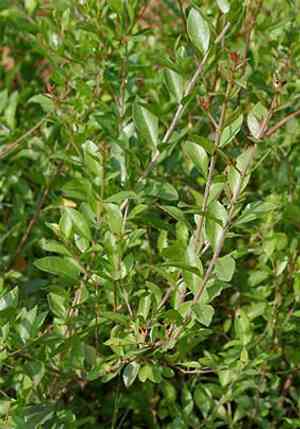
Relocate egyptian-privet during the pleasant temperatures of early to mid-summer, fostering robust root development. Select a bright spot featuring soil that drains effectively. If required, offer additional attention during the initial growth phase to facilitate a more seamless adaptation.
What Preparations are Needed Before Transplanting Egyptian-privet?
What is the Ideal Time for Transplanting Egyptian-privet?
The optimal period to move egyptian-privet is during the peak of summer's warmth. This season, spanning early to mid-summer, offers a balanced mix of temperatures favorable for root establishment and recovery from transplant shock. Relocating egyptian-privet at this time aligns with its natural growth cycle, enhancing its resilience and development. Choosing this timeframe for your egyptian-privet ensures a smooth transition to its new spot, promoting vigorous growth and a thriving start.
How Much Space Should You Leave Between Egyptian-privet Plants?
When relocating your egyptian-privet plants, ensure each is spaced approximately 2-3 feet (60-90 cm) apart. This provides ample room for each plant to grow and expand without becoming overcrowded. This step is crucial for encouraging healthy development.
What is the Best Soil Mix for Egyptian-privet Transplanting?
The soil for your egyptian-privet should ideally be well-draining and rich. It's advisable to enrich the soil with a foundational fertilizer like compost or aged manure before transplanting. This will supply the plant with vital nutrients and stimulate its growth.
Where Should You Relocate Your Egyptian-privet?
For your egyptian-privet, select a spot that receives full to partial sunlight throughout the day. These plants flourish in ample sunlight. However, they can endure in partial shade if necessary. Always remember that more sun exposure generally leads to better plant growth.
What Equipments Should You Prepare Before Transplantation Egyptian-privet?
Gardening Gloves
To safeguard your hands while working with soil and plants.
Trowel
This small hand tool is perfect for excavating holes at the chosen transplant location.
Garden Spade
You'll need this to carefully extract your egyptian-privet from its original spot without harming its roots.
Watering Can
Essential for providing the necessary moisture to the plant during and after the relocation process.
Wheelbarrow
This can be utilized to move the egyptian-privet from its initial position to the new site, especially if it's larger and heavier.
Garden Shears
You might need these to trim back any excessively long or damaged roots or branches.
How Do You Remove Egyptian-privet from the Soil?
How Do You Remove Egyptian-privet from the Soil?
From Ground: First, hydrate the egyptian-privet plant to moisten the soil, which will facilitate its removal. Then, using a garden spade, dig a wide circle around the plant, being careful not to harm its root system. After digging deep enough to get beneath the root ball, gently lift the plant from its spot.From Pot: Begin by watering the egyptian-privet plant in its container. Next, cover the top of the plant's soil with your fingers, leaving space for the stem. Then, invert the pot and carefully ease the plant out.From Seedling Tray: After confirming the seedling is ready for relocation, water the seedling trays. Gently press the base of the seedling plug or cell from below to lift it, and it should come out freely. Avoid handling by the stem to prevent damage.
Step-by-Step Guide for Transplanting Egyptian-privet
Initial Preparation
Start by watering the egyptian-privet plant in its current location. This will make the removal process smoother and less stressful for the plant.
Digging the Hole
At your prepared site, excavate a hole that is twice as wide and equally deep as the egyptian-privet's root ball. This ensures the roots can easily spread in their new environment.
Placement
Position the egyptian-privet plant in the hole, making sure it's at the same depth as it was in its original spot. Be careful not to bury the plant deeper than it was in its previous pot or location.
Backfilling the Hole
Refill the hole with soil, compacting it as you go to eliminate any air pockets.
Watering
Water the plant generously after planting. A slow, steady stream from a watering can works well.
How Do You Care For Egyptian-privet After Transplanting?
Follow-Up Watering
For the initial weeks post-transplant, the egyptian-privet requires consistent moisture. However, avoid excessive watering, keeping the soil damp but not saturated.
Pruning
If any branches or stems of the egyptian-privet are damaged during the relocation process, trim them with garden shears to encourage healthy new growth.
Protection From Elements
Ensure the plant is not exposed to harsh environmental conditions immediately after transplant. Use garden fabric or an appropriate cover if extreme weather is anticipated.
Monitor
Keep a close watch on your egyptian-privet following the transplant. Specifically, look for drooping leaves or wilting, both indicators that the plant may be experiencing stress from the relocation.
Troubleshooting Common Issues with Egyptian-privet Transplantation.
When is the best time to transplant egyptian-privet?
The ideal period for transplanting egyptian-privet is late summer to early fall (S4-S5). This allows the plant sufficient time to establish roots before winter.
How much space should I leave between each egyptian-privet when transplanting?
When relocating egyptian-privet, ensure there's approximately 2-3 feet (60-90 cm) of space between each plant. This provides adequate room for healthy development.
How deep should I transplant egyptian-privet?
Dig a hole twice as wide and equal in depth to the root ball of egyptian-privet. Position the plant so the top of the root ball is level with the ground surface.
Are there any specific soil conditions preferred by egyptian-privet?
Egyptian-privet tolerates various soil types, but well-drained soil is crucial. Enrich the soil with organic matter if possible to create a healthy growing environment.
What if the leaves of my egyptian-privet turn yellow after transplanting?
Yellow leaves might indicate overwatering or poor drainage. Adjust your watering schedule and ensure the planting area drains effectively. If the issue persists, consider consulting a local horticulturist.
How much water does egyptian-privet need after transplanting?
Water egyptian-privet thoroughly immediately after transplanting, ensuring the soil is consistently moist but avoid waterlogging. Adjust watering based on local weather conditions.
What type of sunlight exposure does egyptian-privet require?
Egyptian-privet prefers full sun to partial shade exposure. After transplanting, place it in a location where it can receive at least 6 hours of sunlight daily.
What should I do if my egyptian-privet is not growing well after transplanting?
Ensure the plant is receiving sufficient sunlight, water, and nutrients. Also, check for pests or diseases. If necessary, seek advice from a local plant expert or horticulturist.
Do I need to prune egyptian-privet after transplanting?
Pruning is not required immediately after transplanting. However, you can trim back dead or damaged stems to encourage healthy growth in the upcoming warm season.
Can I fertilize egyptian-privet immediately after transplanting?
Avoid fertilizing right after transplanting as it may stress egyptian-privet. Wait until you observe new growth, then apply a balanced, slow-release fertilizer according to product instructions.



