How to Transplant Spike lavender?
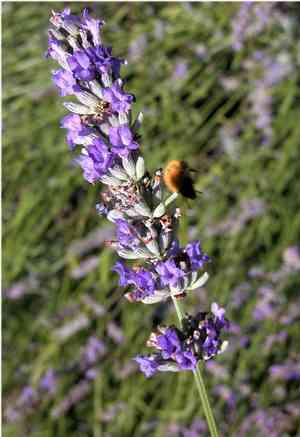
The most favorable period for relocating spike lavender is in the vigorous phase of early to mid-spring, which guarantees robust rooting. Select a bright, adequately draining spot. If needed, amend the ground with gravelly or sandy earth to replicate spike lavender's natural environment.
Essential Preparations Before Relocating Spike Lavender
Optimal Timing for Spike Lavender Relocation?
The best time to move spike lavender is from early to mid-spring. This period allows the plant's root system to become established prior to the summer heat. Relocating spike lavender during this window takes advantage of mild weather, ensuring a robust start without the stress of extreme temperatures at the new site. Consistent moisture levels during this season also support root development, vital for perennial success.
Recommended Spacing Between Spike Lavender Plants?
When transplanting spike lavender, ensure ample room for each specimen. Ideally, position them approximately 2-3 feet (60-90 cm) apart. This provides sufficient space for them to grow and thrive!
Ideal Soil Blend for Spike Lavender Transplanting?
Your spike lavender will flourish in soil that drains effectively. Preparing your soil in advance with organic matter or a balanced base fertilizer can give your plant a healthy start. This is crucial for a successful relocation!
Where to Replant Your Spike Lavender?
For spike lavender, select a spot that receives direct sunlight for at least 6 hours daily. Providing a sunny location for your plants is one of the simplest ways to ensure they develop healthily and vigorously!
Equipment Needed Before Transplanting Spike Lavender
Gardening gloves
To safeguard your hands while handling soil and spike lavender.
Shovel or garden spade
These tools are used for digging holes and carefully extracting spike lavender from its current spot.
Garden trowel
Perfect for the actual process of relocating the spike lavender.
Watering can
Utilized for hydrating the spike lavender during preparation and post-transplant.
Gardening fork
Helpful for loosening the soil in the new planting area.
Organic compost
To enrich and prepare the ground for planting before you move the spike lavender.
Mulch
To cover the newly transplanted spike lavender, aiding in soil moisture retention after relocation.
How to Extract Spike Lavender from the Soil?
How to Extract Spike Lavender from the Soil?
From Ground: First, moisten the soil around the spike lavender plant by watering it. This facilitates digging and reduces plant stress. Using your shovel, create a wide trench around the plant, being careful not to harm the root system. Once enough soil is removed, gently work the spade beneath the root ball, lifting the plant from its position.From Pot: Begin by thoroughly watering spike lavender until water drains from the pot's bottom. Carefully tilt the pot sideways, supporting the plant with your other hand, and apply gentle pressure to the pot to loosen the root ball. Slide the plant out, minimizing root damage or disturbance.From Seedling Tray: If spike lavender is in a seedling tray, water it first. With a spoon or small trowel, carefully scoop out each seedling, aiming to retain as many roots as possible.
Step-by-Step Guide for Relocating Spike Lavender
Preparation
Prepare the site where you intend to plant spike lavender. This area should have been previously determined. Ensure the area is free of weeds and other vegetation. Use a garden fork to loosen the soil and incorporate the organic compost.
Digging
Using your shovel or trowel, excavate a hole that is twice the width of the spike lavender's root ball.
Planting
Position the spike lavender in the hole. The top of the root ball should be level with the surrounding soil to prevent water accumulation. Backfill the hole around the plant, gently firming the soil.
Watering
Water the spike lavender thoroughly immediately after planting. This helps the soil settle around the roots.
Mulching
Apply a layer of mulch over the area to help keep the soil cool, conserve moisture, and reduce weed growth.
Post-Transplant Care for Spike Lavender
Watering
Maintain consistent moisture in the soil around the spike lavender, avoiding waterlogging, for the initial weeks after transplanting to encourage strong root development. Afterward, reduce watering to typical levels.
Mulch Maintenance
Periodically check the mulch to ensure it's not deteriorating rapidly and replace it as needed. This will continue to protect the spike lavender's roots and help retain moisture.
Ongoing Care
Monitor for any signs of transplant shock, such as drooping leaves or wilting, and provide additional water or shade during extreme weather. Regularly inspect spike lavender for any indications of disease or pest infestations.
Resolving Common Issues with Spike Lavender Relocation.
When is the ideal time to move spike lavender?
You should ideally relocate spike lavender during late winter to early spring (S1-S2). This is when the plant is dormant and can better withstand the move.
What distance should I maintain between each spike lavender during relocation?
Ensure sufficient space for each spike lavender to grow. Position them approximately 2-3 feet (60-90 cm) apart. This spacing allows them to develop without hindering each other's growth.
How deeply should I plant spike lavender during relocation?
Dig a hole that is twice the width and equal in depth to the root ball. Place spike lavender so it sits at the same level as it did in its previous spot. Planting too deep could suffocate the roots.
What type of soil is best for relocating spike lavender?
Spike lavender prefers well-drained soil, as standing water can lead to root rot. If your soil is heavy, enriching it with organic matter or sand can improve drainage.
How much water does spike lavender need immediately after relocation?
Immediately after relocation, spike lavender requires ample water to help establish its root system. However, ensure the soil drains well to prevent waterlogging.
Should I prune spike lavender before relocating?
Yes, prune spike lavender back by one-third before relocating. This lessens stress, making it easier for the plant to recover after the move.
How can I prevent transplant shock in spike lavender?
Transplant shock can be minimized by thoroughly watering before and after moving spike lavender. Additionally, try to relocate on a cloudy day to avoid direct sunlight, and keep the root system as undisturbed as possible.
How to ensure spike lavender's survival post-relocation during winter?
Spike lavender is quite cold hardy. However, applying a thick layer of mulch around, but not touching, the base can offer extra winter protection.
Why are the leaves of my relocated spike lavender turning yellow?
Yellow leaves might indicate excessive watering. After initial heavy watering, reduce the frequency and only water spike lavender when the topsoil is dry. Remember, spike lavender thrives in well-drained soil.
Can I relocate spike lavender next to other plants or trees?
While spike lavender is compatible with many plants, always consider its light, water, and soil requirements. Remember the 2-3 feet (60-90 cm) spacing to prevent overcrowding.



