How to Transplant Bay laurel?
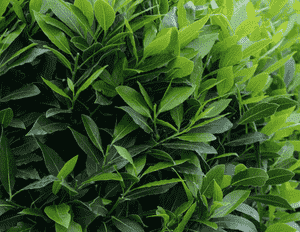
The optimal period for relocating bay laurel is in the cooler seasons, specifically from the beginning to the end of winter. Select a spot that receives ample sunlight or partial shade and has soil that drains effectively. During the transplanting process, ensure you carefully manage the root ball to avoid any harm.
What Preparations are Needed Before Transplanting Bay Laurel?
What is the Ideal Time for Transplanting Bay Laurel?
The optimal period for relocating bay laurel spans from the beginning to the end of winter. This season offers a slower growth phase, allowing bay laurel to establish roots without undue stress. Moving bay laurel during this time enhances its chances of thriving in its new environment.
How Much Space Should You Leave Between Bay Laurel Plants?
When transplanting bay laurel, remember to provide ample room! We recommend spacing each plant approximately 6-10 feet (1.8-3 meters) apart. This ensures they have sufficient space to develop and flourish.
What is the Best Soil Mix for Bay Laurel Transplanting?
Ensure the best start for your bay laurel by preparing the soil with a well-draining blend of loam and sand. Additionally, incorporate a small amount of slow-release, balanced fertilizer, such as 10-10-10, for a nutrient-rich foundation.
Where Should You Relocate Your Bay Laurel?
Location is crucial for a healthy bay laurel! Aim to find a spot that receives full sun with some afternoon shade. These conditions will enable your plant to absorb the necessary sunlight for optimal development!
What Equipments Should You Prepare Before Transplantation Bay Laurel?
Gardening Gloves
To safeguard your hands while using garden tools and handling the bay laurel plant, particularly during its removal and replanting.
Shovel or Garden Spade
To excavate the bay laurel plant from its original spot and prepare the receiving hole at the new location. Select one with a sharpened edge to cleanly cut through roots if necessary.
Watering Can or Garden Hose
For hydrating the bay laurel plant before and after the transplant to minimize shock and encourage growth.
Wheelbarrow or Container
To move the bay laurel from its initial position to the new site without causing damage to its roots.
Mulching Materials
Such as organic compost or wood chips to shield the bay laurel plant's roots from temperature fluctuations and to help retain soil moisture.
Stakes and Twine
If your bay laurel is mature and tall, these supports can help stabilize your plant as it establishes its root system.
How Do You Remove Bay Laurel from the Soil?
How Do You Remove Bay Laurel from the Soil?
From Ground: Thoroughly water the ground around the bay laurel plant the day before transplanting to reduce stress and facilitate digging. Begin by digging a circle around the plant, allowing a generous distance to accommodate spreading roots. Gently lift the root ball from the ground using a shovel, striving to keep as many roots intact as possible.From Pot: Water the bay laurel plant thoroughly an hour before the transplant process. Tilt the pot sideways, gently hold the plant by its base, and pull slightly. If it resists, tap the sides until it slides out, avoiding any root damage.From Seedling Tray: Ensure the bay laurel sapling is sufficiently robust before transplanting. Water the tray to ease the roots out. Carefully hold the sapling by its leaves—never the stem—and gently dislodge the soil and seedling from the tray.
Step-by-Step Guide for Transplanting Bay Laurel
Preparation Before Transplant
Water the bay laurel plant generously before the move to minimize shock and simplify removal. Ensure your new location is prepared beforehand, with a hole approximately twice the size of the root ball.
Removal of bay laurel Plant
Follow your chosen removal method as described above, depending on the plant's origin.
Transplanting
Place the bay laurel into the new hole, backfilling with soil so that the plant sits at the same depth as it was in its original location. Ensure the plant is upright and positioned as desired.
Watering
Once the plant is transplanted, water it thoroughly. A substantial amount of water is needed to settle the soil around the roots.
Staking and Mulching
If necessary, stake your bay laurel to maintain stability against strong winds. Apply a layer of mulch around the plant to help conserve moisture and deter weeds.
How Do You Care For Bay Laurel After Transplanting?
Monitoring
Carefully observe your bay laurel plant daily for the initial few weeks following transplantation. Watch for any indications of wilting, yellowing, or leaf drop, as these could signal transplant shock.
Watering
The newly transplanted bay laurel will require more water than usual. Ensure consistent watering without saturating the plant. Adjust your watering schedule based on weather and season, providing less in cooler months and more during warmer periods.
Fertilizing
Avoid fertilizing immediately after the transplant. Wait for a few weeks until the bay laurel plant exhibits signs of new growth, indicating it is ready for additional nutrients.
Pruning
Trim off any damaged or withered leaves and branches after transplanting to enhance the plant's overall health and shape, and to encourage new growth.
Troubleshooting Common Issues with Bay Laurel Transplantation.
When is the best time of year to transplant the bay laurel?
The optimal transplant times are during the colder months, from early to late winter. This provides bay laurel with the best opportunity to establish itself.
What spacing should be done between the bay laurel plants?
To ensure each bay laurel has adequate room, plant them 6-10 feet (1.8-3 meters) apart. This prevents overcrowding and promotes healthy growth.
Why is my transplanted bay laurel showing signs of wilting?
Bay laurel may wilt after transplant due to transplant shock. Support it by keeping the soil consistently moist and avoiding direct full sun for a few days.
I've transferred my bay laurel, but it's not growing. What could be going wrong?
A pause in growth can occur due to planting shock. Ensure regular watering, but avoid overwatering as bay laurel prefers well-drained soil.
My bay laurel is showing yellow leaves post-transplant, is this normal?
Yellowing leaves immediately after transplanting could be a stress response. Ensure bay laurel receives sufficient water and nutrients, and the condition should improve.
How to ensure successful transplantation of bay laurel in my garden?
Properly prepare the planting area, consider the soil's drainage, adhere to the ideal spacing, and water regularly but not excessively.
What size of hole should I dig for bay laurel transplant?
Dig a hole twice as wide and the same depth as the root ball. This provides the roots ample space to spread and develop.
Can I transplant an adult bay laurel from another garden?
Yes, you can, but it's a delicate process. Dig a sufficiently wide and deep area around the root, taking care not to damage the roots.
How long does the bay laurel take to recover from transplant shock?
Recovery time varies, but generally, bay laurel should begin showing signs of new growth within 2-3 weeks post-transplant.
Is it important to add fertilizer immediately after transplanting bay laurel?
Avoid fertilizing immediately after transplant as the roots are vulnerable. Wait until you observe new growth, typically after 2-3 weeks.



