How to Transplant Perennial pea?
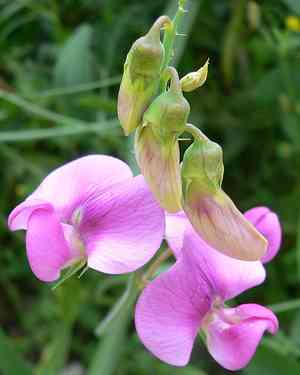
To achieve optimal results, relocate perennial pea during the peak period from early spring to early summer, as this timeframe encourages robust development. Select a site featuring excellent drainage and robust structural support. Carefully place perennial pea into its new position, ensuring no harm comes to its root system.
Preparations Required Before Relocating Perennial Pea?
Optimal Period for Moving Perennial Pea?
The best time to move perennial pea is from early warm weather to mid-summer. This timing guarantees a long, productive growth phase. Choosing this transplanting window gives perennial pea the best chance to firmly establish and thrive beautifully. Remember, a timely transplant can lead to a healthier, more robust perennial pea.
Recommended Spacing Between Perennial Pea Plants?
When transplanting perennial pea, it's best to allow each plant ample room to grow. A good guideline is to space them 8-12 inches (20-30 cm) apart, which is ideal for both development and air circulation.
Best Soil Mixture for Perennial Pea Relocation?
Before moving perennial pea, prepare its new spot with well-draining soil, enhanced by adding organic material like compost or aged manure. Also, mix in a balanced granular fertilizer to give perennial pea a healthy start!
Where Should You Replant Your Perennial Pea?
When selecting a site to transplant perennial pea, choose a location where it can receive full sun to light shade. This sun exposure will help perennial pea produce its beautiful flowers and grow strong and healthy.
Equipment to Prepare Before Transplanting Perennial Pea?
Gardening Gloves
To protect your hands while working with soil and handling the plant.
Shovel or Garden Spade
To help you gently remove the perennial pea from its original spot, ensuring the root ball stays intact.
Garden Trowel
To dig a sufficiently deep hole for replanting.
Watering Can
For hydrating your perennial pea plant before and after transplanting.
Compost
To enrich the planting hole and assist perennial pea in establishing in its new location.
Mulch
To retain soil moisture and maintain a consistent soil temperature.
Plant Support
Perennial pea is a climbing plant and may require support as it begins to grow in its new location.
How to Extract Perennial Pea from the Soil?
How to Extract Perennial Pea from the Soil?
From Ground: Start by watering the perennial pea plant to moisten the soil, making digging easier. With a shovel or garden spade, dig a wide circle around the plant, being careful to keep the root ball undamaged. Gradually work the spade beneath the root ball and carefully lift.From Pot: Water the perennial pea plant thoroughly, allowing moisture to reach the roots. Invert the pot, hold the plant at the base, and gently pull it out. You can tap the bottom of the pot to help loosen the root ball initially, if needed.From Seedling Tray: Water sufficiently then carefully remove the perennial pea plant from the cell by pushing it up from the bottom. Avoid pulling by the stem, as it may cause damage.
Step-by-Step Guide for Transplanting Perennial Pea
Hole Preparation
Using the garden trowel, dig a hole twice as wide and the same depth as the perennial pea's root ball. Place some compost at the bottom of the hole to enrich the soil.
Plant Placement
Position your perennial pea in the hole. The top of the root ball should be level with the soil surface.
Backfill
Fill in around the plant with soil. Firm it gently but do not compact it.
Watering
Water the perennial pea until the soil is moist, not waterlogged.
Mulch
Apply a layer of mulch around the plant, avoiding direct contact with the stem.
Support
As perennial pea is a climbing plant, providing an initial trellis or support can help guide its growth.
How to Care For Perennial Pea After Transplanting?
Watering
Keep the soil moist (but ensure it's not waterlogged) to encourage root growth. Consistent watering in the first few weeks is vital.
Trimming
Prune off any weak or dead parts of the plant to encourage new growth.
Checking Health
Regularly inspect your perennial pea for signs of transplant shock, such as wilting, yellowing, or dropped leaves. If observed, move to a cooler, shaded area and increase watering frequency.
Addressing Common Issues with Perennial Pea Transplantation.
When is the best time to transplant perennial pea?
The ideal time to transplant perennial pea is from the beginning of spring to the start of summer. This season provides the proper conditions for root establishment and growth.
What is the correct spacing for transplanting perennial pea plants?
Ensure to maintain a distance of about 8-12 inches (20-30cm) between the perennial pea plants. Such spacing helps the plants to grow without any spatial limitations.
Why are my newly transplanted perennial pea wilting?
Wilting after transplantation might be due to shock or insufficient water. Try to maintain a consistent watering schedule, keeping the soil moderately moist.
What type of soil is best for perennial pea's transplantation?
Perennial pea prefers well-draining soil. The specific soil type, such as loam, sandy, or clay, is less critical as long as it drains well and is rich in organic matter.
Why do perennial pea transplants have yellow leaves?
Yellow leaves might indicate overwatering or a nutrient deficiency. Adjust your watering routine and consider using a balanced fertilizer to replenish the soil nutrients.
Can I transplant perennial pea in a pot?
Absolutely! Just ensure the pot is deep and wide enough (at least 12 inches/30cm) to accommodate perennial pea's vigorous root system, and has proper drainage holes.
How to ensure successful transplantation of perennial pea?
Be sure to harden off perennial pea before transplanting, reuse the previous soil to reduce shock, and water immediately after transplanting.
Can perennial pea tolerate transplanting?
Perennial pea is quite resilient and can tolerate transplanting well. However, minimizing root disturbance during the process promotes a better transition to the new location.
How deep should I plant perennial pea transplants?
Dig a hole deep enough to cover perennial pea's root system completely. Typically, the hole should be as deep as the height of the root ball.
Why are my transplanted perennial pea not flowering?
Failure to flower often indicates inadequate light conditions or nutrient deficiencies. Make sure your perennial pea transplants receive enough sunlight and consider using a phosphorus-rich fertilizer for better blooming.



