How to Transplant Chinese larch?
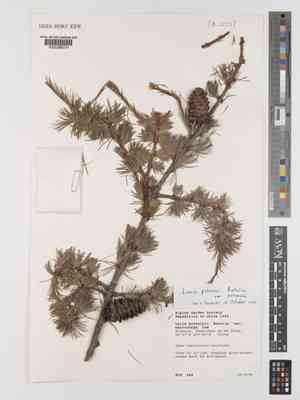
Chinese larch flourishes when relocated between early and late spring, or at the commencement of winter, owing to favorable temperature and humidity conditions. Provide a site with good drainage and ample sunlight for successful rooting.
What Preparations are Needed Before Transplanting Chinese Larch?
What is the Ideal Time for Transplanting Chinese Larch?
The best period for relocating chinese larch is from early spring through late spring or during early winter. These times offer mild temperatures and consistent soil conditions, fostering robust root development and growth. Moving the plant during these windows minimizes stress, boosting its chances of successful adaptation and long-term health.
How Much Space Should You Leave Between Chinese Larch Plants?
When moving chinese larch, ensure each plant is positioned 20-30 feet (6-9 meters) apart. This horizontal clearance is vital for healthy development and adequate air circulation.
What is the Best Soil Mix for Chinese Larch Transplanting?
Prepare well-draining soil, combining loam, sand, and a small amount of compost for chinese larch. Enrich the base with a balanced fertilizerâone containing equal proportions of nitrogen, phosphorus, and potassium.
Where Should You Relocate Your Chinese Larch?
Select a sunny spot for chinese larch that receives at least 6 hours of direct sunlight daily. Sufficient sunlight promotes vigorous growth and development of the plant.
What Equipments Should You Prepare Before Transplantation Chinese Larch?
Gardening Gloves
To safeguard your hands while handling soil and the plant.
Shovel or Spade
For digging around the root ball and preparing the new planting site.
Garden Fork
To assist in loosening the soil surrounding the plant.
Tarp or Wheelbarrow
To safely move the chinese larch to its new location.
Watering Can or Hose
For hydrating the plant before and after relocation.
Mulch
To help maintain soil moisture after the transplant.
Measuring Tape
To ensure the new hole is appropriately sized.
How Do You Remove Chinese Larch from the Soil?
How Do You Remove Chinese Larch from the Soil?
From Ground: First, hydrate the chinese larch to moisten the soil. Dig a wide trench around the plant using a shovel or spade, making sure the root ball stays intact. Carefully work the spade beneath the root ball to gently lift the plant from its original spot. Use a garden fork to help loosen the soil if necessary.From Pot: Start by thoroughly watering the chinese larch to facilitate the root ball's easier removal. Place your hand at the stem's base and gently invert the pot. Tap the pot's bottom, if needed, to release the root ball. Once free, gently loosen the roots if they are pot-bound.From Seedling Tray: Water the seedling tray to simplify seedling removal. Use a small tool, such as a spoon or dibber, to carefully lift the chinese larch from the tray, ensuring to retain as much of the root system and attached soil as possible.
Step-by-Step Guide for Transplanting Chinese Larch
Planting Hole Preparation
Excavate a hole twice as wide and as deep as the chinese larch's root ball. Loosen the soil at the bottom of the hole to aid root establishment.
Soil Enrichment
If necessary, incorporate some compost or organic matter into the existing soil to supply nutrients to the chinese larch.
Positioning
Place the chinese larch into the hole, ensuring it stands upright and its root ball is level with or slightly above the surrounding ground.
Backfilling
Refill the hole with the excavated soil, gently patting it down to remove air pockets. Be careful not to cover the root collar.
Watering
Thoroughly water the chinese larch immediately after planting to help the soil settle around the roots.
Mulching
Apply a layer of mulch around the base of the chinese larch to help retain moisture and regulate soil temperature. Avoid piling mulch against the stem.
How Do You Care For Chinese Larch After Transplanting?
Watering
Keep the soil around the chinese larch consistently moist, but not waterlogged, for the initial weeks post-transplant to encourage strong root development.
Mulching
Regularly inspect the mulch layer and replenish it as needed to maintain soil moisture and temperature.
Monitoring
Observe the chinese larch for indications of stress, such as wilting or yellowing leaves, and promptly address any issues. Consider weather conditions and provide additional water during dry spells.
Troubleshooting Common Issues with Chinese Larch Transplantation.
When is the best time to transplant chinese larch?
Relocate chinese larch from early spring to late spring, or early winter for optimal outcomes.
How much space should I leave between chinese larch plants?
Allow approximately 20-30 feet (6-9 meters) between each chinese larch plant for adequate growth.
What soil conditions are ideal for chinese larch?
Chinese larch thrives in well-draining, slightly acidic to neutral soil for best growth.
How deep should I plant chinese larch in new soil?
Plant chinese larch at the same depth it was in its previous location.
Do I need to water chinese larch immediately after transplanting?
Yes, water chinese larch thoroughly right after transplanting to help the roots settle.
What is the most common transplanting mistake for chinese larch?
A frequent error is not providing sufficient deep watering after transplanting chinese larch.
How do I minimize transplant shock for chinese larch?
Water consistently, use mulch, and avoid disturbing the roots to reduce transplant shock for chinese larch.
Can I fertilize chinese larch immediately after transplanting?
Wait several weeks after transplanting chinese larch before applying any fertilizer.
Should I prune chinese larch before transplanting?
Trimming dead or diseased branches before relocating chinese larch can help lessen stress.
How do I ensure successful establishment of chinese larch post-transplant?
Monitor hydration needs, protect from harsh weather, and provide ample room for root expansion.



